
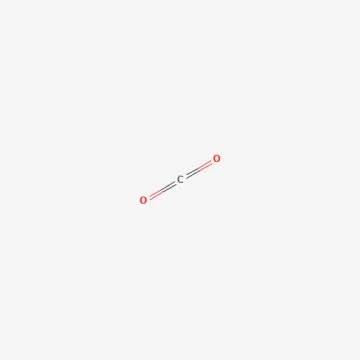
Carbon dioxide
Description
Mode of action
Carbon dioxide (CO2) is a non-organic fumigant used in agricultural storage to create an anoxic environment. It functions as an insecticide by displacing oxygen in the storage space, which causes death in pests through suffocation.
Unlike traditional chemical pesticides, carbon dioxide does not involve toxic reactions that could harm the commodity. It works by physically altering the atmosphere to a level where pest respiration is inhibited.
The gas has excellent penetrating properties, allowing it to move throughout grain bulks and packaging materials. Its density ensures it settles into the voids where pests reside, ensuring a uniform treatment of the product.
The metabolic disruption caused by high CO2 levels affects all life stages of insects, from eggs to adults. The sustained lack of oxygen prevents pests from maintaining the necessary metabolic processes for survival.
As a naturally occurring substance, carbon dioxide is widely accepted in organic farming and integrated pest management systems as a residue-free solution for maintaining post-harvest quality.
What it targets
Carbon dioxide is specifically used to control a wide range of stored-product pests that affect grains, seeds, and processed commodities in industrial storage facilities.
It is effective against both internal and external feeders, including beetles, moths, and mites that thrive in grain elevators and silos.
By controlling these pests, carbon dioxide prevents the heating of stored grain, weight loss, and the loss of germinating capacity in seeds.
The treatment also helps suppress the activity of certain storage fungi by modifying the respiratory environment within the grain bulk.
- Granary weevils (Sitophilus spp.)
- Flour beetles (Tribolium spp.)
- Angoumois grain moth (Sitotroga cerealella)
- Indian meal moth (Plodia interpunctella)
Rates and timing
The efficacy of CO2 fumigation depends on maintaining high concentrations (typically 60–95%) within the storage structure for a prolonged period.
Exposure duration varies significantly depending on the target species, density of the commodity, and ambient temperature, often requiring several days for completion.
Continuous monitoring using gas sensors is essential to ensure that the required concentration is maintained throughout the treatment period to prevent pest survival.
The total amount of CO2 required is calculated based on the volume of the empty space and the porosity of the grain bulk stored within the facility.
Proper aeration (degassing) phase must follow the treatment to ensure the storage atmosphere returns to safe oxygen levels before any personnel enter the space.
Restrictions
The primary prerequisite for successful CO2 application is complete airtightness of the storage container. Any leakage can cause the concentration to drop, rendering the treatment ineffective.
Strict safety protocols must be followed during application to prevent the accumulation of hazardous CO2 concentrations in work areas, which poses a serious risk of asphyxiation.
Carbon dioxide provides no residual protection against re-infestation; therefore, maintaining high sanitary standards after treatment is crucial for long-term storage success.
The high cost of infrastructure, including gas distribution systems and monitoring equipment, represents a significant investment for medium and large-scale operations.
Environmental conditions, particularly low temperatures, can affect pest metabolism and may necessitate longer treatment durations to reach the desired mortality rates.
Status in the European Union
Not approved in the EU
- CAS number
- 124-38-9
- Category (EU)
- OT - Other treatment
EU status is for reference only and does not replace national registration in your country.