

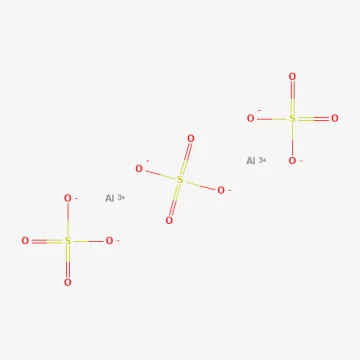
Description
Mode of action
Aluminum sulfate is an inorganic compound primarily utilized in agriculture as a soil amendment and a chemical agent for adjusting substrate pH levels.
When applied to the soil, the substance undergoes hydrolysis, which releases hydrogen ions, effectively lowering the pH level and creating an acidic environment.
This acidification process alters the abiotic conditions of the soil, making it unsuitable for the proliferation of various soil-borne pathogens that prefer neutral or alkaline conditions.
The mechanism of action involves the suppression of microbial metabolic activity due to the specific ionic composition and acidity, which hinders the development of harmful microorganisms.
Additionally, it has a binding effect on certain soil nutrients, influencing their bioavailability and thereby impacting the competition between weeds and target crops.
What it targets
The primary use of aluminum sulfate is to control soil-borne pathogens that cause root rots and fungal infections in vegetable, berry, and ornamental crops.
It is widely used in floriculture to manipulate the flower color of certain species, most notably hydrangeas, by regulating the uptake of aluminum ions.
The substance is effective in suppressing the growth of mosses and algae on lawns, paths, and greenhouse surfaces where excessive moisture facilitates their rapid spread.
It serves as an essential tool for acidifying alkaline soils, which is a requirement for the successful cultivation of blueberries, cranberries, rhododendrons, and other acid-loving plants.
The compound also helps inhibit specific microflora associated with waterlogged or high-pH soils, thus preventing damage to the plant root system.
Rates and timing
Application rates of aluminum sulfate must be calculated based on the initial soil pH, soil texture (sandy vs. clay), and the specific requirements of the cultivated crop.
The material is typically applied as a powder or granules, spread evenly over the soil surface, and incorporated into the top 10–15 cm of the soil before planting.
Regular soil testing is crucial, as improper dosage can result in excessive acidity or aluminum toxicity, which may severely damage sensitive crop varieties.
When applied as a solution for irrigation, the concentration must be strictly monitored to prevent chemical burns to the plant roots or leaves.
The optimal time for application is early spring before planting or late autumn to prepare the substrate, allowing time for the chemical reactions to stabilize.
Restrictions
Avoid using aluminum sulfate on crops that thrive in neutral or alkaline soil conditions, as it can cause nutrient lockout, leaf chlorosis, and stunted plant growth.
Direct contact with the foliage of living plants should be avoided during application, as it can cause significant tissue damage or chemical burns.
Protective equipment, including gloves, goggles, and respiratory masks, is mandatory when handling the substance to prevent irritation of the skin and mucous membranes.
Storage must be in a cool, dry, and well-ventilated area with sealed packaging to prevent moisture absorption, which causes the material to clump and lose efficiency.
Do not mix with alkaline fertilizers, lime, or wood ash, as these reactions will neutralize the product and diminish its effectiveness as a soil amendment.
Regulatory
Status in the European Union
Approved in the EU
- CAS number
- 17927-65-0
- Approved from
- 01.06.2011
- Approval until
- 15.01.2030
- ADI
- Not appl.
- ARfD
- Not appl.
- AOEL
- 0.002 mg/kg bw/day
EU status is for reference only and does not replace national registration in your country.
Content graph
Connections · Aluminium sulfate
Most often together:
Marketplace