
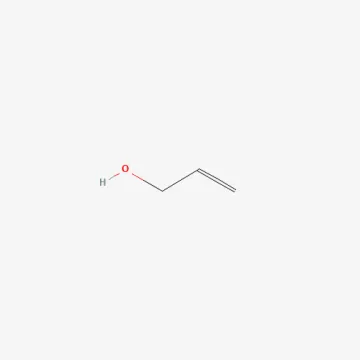
Allyl alcohol
Description
Mode of action
Allyl alcohol is a highly toxic chemical compound used in agricultural practice primarily as a broad-spectrum soil fumigant. The substance has the ability to rapidly penetrate soil capillaries, displacing air and ensuring a total impact on harmful biological objects.
Its mechanism of action is based on pronounced cytotoxicity and the ability to cause protein denaturation in target organisms. Upon entering the soil, the compound is rapidly distributed, exerting an immediate inhibitory effect on living cells, which leads to the death of pathogens and weed seeds.
The substance is characterized by high volatility, which allows it to spread effectively in the treated soil layer. However, this feature requires the use of sealing materials or special application technologies to achieve the necessary gas concentration.
An important feature of allyl alcohol is its relatively rapid decomposition in the soil into less toxic compounds, which, if regulations are followed, allows for planting crops after a certain period of time following treatment.
The efficacy of the preparation depends directly on soil temperature and moisture levels at the time of application, as the physical and chemical properties of the active component change under the influence of soil and climatic factors.
What it targets
This substance is used to control weed seeds in the soil that are in a dormant state and are difficult to control with other herbicides. Allyl alcohol provides almost complete cleaning of the seedbed from the weed seed bank.
The preparation also demonstrates high fungicidal activity, destroying fungal pathogens that live in the soil and cause root rot, wilting, and other dangerous crop diseases.
The action extends to nematodes and other small soil pests that damage the root system of plants during the initial stages of development, significantly reducing potential yield.
The use of this fumigant is relevant in areas intended for growing vegetable crops, tobacco, or floriculture, where soil purity is a critical factor for obtaining quality products.
Allyl alcohol effectively inhibits the growth of soil bacteria, which allows it to be used to create sterile conditions in nurseries before sowing.
Rates and timing
Application rates of allyl alcohol vary depending on the soil type, its mechanical composition, and the degree of weed infestation. As a rule, treatment is carried out well in advance of the main crop sowing to avoid phytotoxic effects on seedlings.
The optimal time for application is during the soil preparation period, when the substrate temperature is at least 10–15 degrees Celsius, ensuring the necessary rate of evaporation and vapor distribution.
Application is carried out by drenching or injection into the soil, followed by mandatory covering of the treated area with a film to retain the volatile substance within the treated horizon for several days.
The duration of exposure under the film depends on the concentration of the preparation and meteorological conditions, after which mandatory soil aeration is required to evaporate fumigant residues before sowing.
Experts recommend conducting control tests for seed germination in the treated soil before mass sowing of the main crop to ensure there is no residual toxic effect.
Restrictions
Allyl alcohol is classified as a substance with a high degree of danger to humans, animals, and beneficial soil microflora. Working with it requires the use of personal protective equipment for the respiratory tract, skin, and eyes.
The use of the preparation is strictly prohibited near residential buildings, water bodies, and objects with a high content of organic matter, where the effectiveness of fumigation drops sharply due to the adsorption of the substance by soil particles.
There are strict environmental restrictions associated with the risk of groundwater contamination and toxicity to non-target organisms, which requires strict adherence to safety protocols.
It is strictly forbidden to carry out treatment during high winds or unfavorable weather conditions that contribute to the uncontrolled spread of toxic vapors outside the treated area.
Disposal of packaging and residues of the preparation must be carried out in accordance with current legislation on the management of hazardous agricultural chemical waste.
Status in the European Union
Not approved in the EU
- CAS number
- 107-18-6
- Category (EU)
- HB - Herbicide
EU status is for reference only and does not replace national registration in your country.