

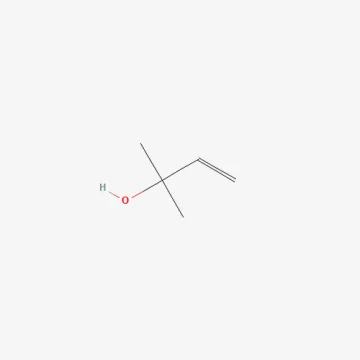
Description
Mode of action
2-methyl-3-buten-2-ol belongs to the class of unsaturated alcohols and functions in agronomic practice as a signaling chemical compound. This substance is a key component of pheromones for many species of beetles, particularly bark beetles and weevils.
The mechanism of action is based on creating an imitation of the natural pheromone background. In field conditions or forests, the substance actively attracts individuals of both sexes into traps, disorienting the insects and disrupting their reproductive cycles.
The biological effectiveness of this component is due to its high volatility and ability to spread rapidly in the ground-level air layer. Pest insects perceive this scent as a signal indicating the presence of a food source or a mate.
Using this compound allows for selective trapping without harming beneficial entomophages and pollinators. This makes it an essential tool for integrated pest management strategies.
The chemical stability of the substance within specialized dispensers ensures a prolonged duration of action, minimizing the need for frequent site visits to replace the attractant.
What it targets
The primary area of application is the monitoring and control of pests in coniferous and deciduous stands. The substance serves as a component of pheromone compositions against species such as the spruce bark beetle and other members of the Scolytinae subfamily.
The use of these attractants allows for the early detection of insect breeding hotspots before mass damage occurs to the stems of trees or agricultural crops.
Rates and timing
The substance is applied exclusively through certified pheromone dispensers placed in specialized traps. Installation timing depends on the phenological calendar of the target pest's development.
Typically, traps are deployed at the beginning of spring, when average daily temperatures facilitate the start of insect flight. The effective lifespan of a single dispenser ranges from 4 to 8 weeks, depending on weather conditions.
Restrictions
When handling this substance, safety precautions must be followed: avoid contact with skin and mucous membranes, as the compound has a strong odor and volatility.
Dispensers must be stored in airtight packaging in a cool place, away from open flames and direct sunlight. Disposal of used elements should be carried out in accordance with local environmental regulations.
Regulatory
Status in the European Union
Not approved in the EU
- CAS number
- 115-18-4
EU legislation
EU status is for reference only and does not replace national registration in your country.
Content graph
Connections · 2-methyl-3-buten-2-ol
Most often together:
Marketplace