
Leaf-rolling weevil
Involvulus
Description
How to identify
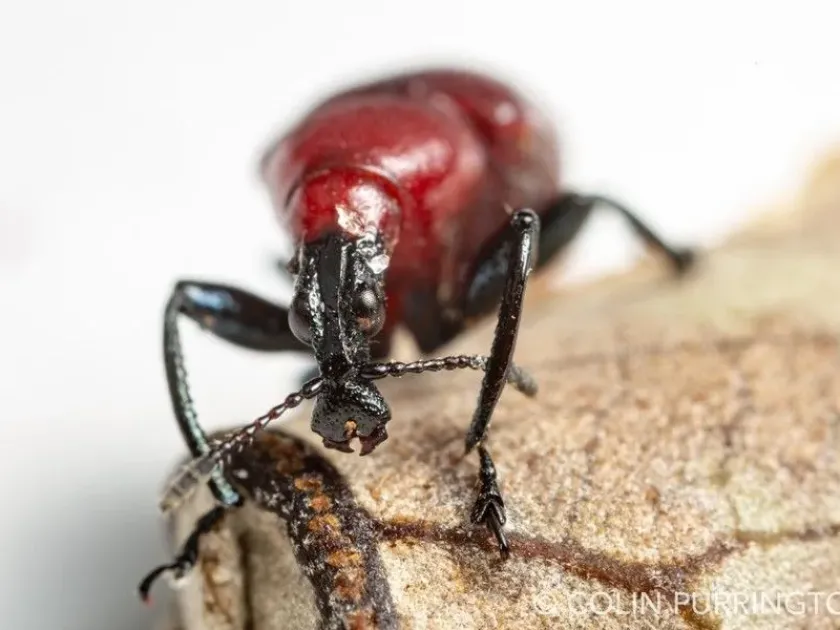
The leaf-rolling weevil (genus Involvulus) belongs to the family Attelabidae, order Coleoptera. These small beetles are characterized by a distinct elongated rostrum (snout) and often exhibit metallic coloration, ranging from blue and green to bronze, which makes them visible on foliage.
The larvae are legless, white-bodied grubs with brown heads, typically found in a C-shaped position. They complete their development inside specially constructed leaf-rolls or within infested fruits, shielding them from environmental exposure and many predators.
The lifecycle involves complete metamorphosis, including egg, larva, pupa, and adult stages. Adults typically overwinter in the soil or leaf litter, emerging in early spring as soon as temperatures rise, signaling the start of the breeding season.
Females display complex behavior by creating "cigars" from leaves. By precisely gnawing the petiole, the female causes the leaf to wilt, which allows her to roll it tightly for oviposition. This structure serves as both a nest and a food source for the developing larvae.
These pests thrive in humid, shaded environments within orchard canopies. Dense foliage and insufficient pruning provide the stability and microclimate necessary for the weevils to successfully reproduce and maintain their population density.
What it damages
Leaf-rolling weevils primarily attack pome and stone fruit trees, including apples, pears, plums, and cherries. The damage is cumulative, affecting buds, flowers, leaves, and eventually the developing fruit of the trees.
Adults cause initial damage by feeding on emerging buds and young leaves. This activity reduces the tree's photosynthetic capacity early in the season, weakening the plant's overall vitality and making it more susceptible to environmental stress.
The larvae are the most destructive stage, as they consume the interior tissues of the rolled leaves. This feeding leads to premature necrosis of the foliage, resulting in leaves drying up and dropping well before the natural autumn senescence.
In cases of heavy infestation, the cumulative loss of leaf area can be significant, potentially reaching 30-50% of the canopy. This deficit impacts the tree's ability to store energy for the following year, often leading to poor flower bud formation.
Fruit damage, particularly on stone fruits, results in deformed or prematurely dropped fruit. Infested fruit often becomes a site for secondary pathogens and rot, significantly lowering the marketability and yield quality of the harvest.
Signs of infestation
The most recognizable sign of a leaf-rolling weevil infestation is the presence of tightly rolled, brown, withered leaves that resemble cigars hanging from the branches. These structures are distinct and easy to spot during regular garden inspections.
Spring damage is characterized by multiple small holes and ragged edges on the leaves, caused by adult beetles feeding. Additionally, buds may appear stunted or missing, which can be misidentified as winter kill if the insects are not observed.
Premature fruit drop is a strong indicator of larval presence inside the canopy. If fallen fruit shows small entry holes or internal tunneling, it confirms the presence of larvae feeding on the fruit tissue.
Visual observation during early morning hours often reveals the beetles themselves resting on leaves. Their defense mechanism—dropping to the ground and feigning death when disturbed—is a common behavioral trait used to avoid detection.
The persistence of these "cigars" on the tree creates a humid environment prone to fungal development. Seeing dark, moldy leaf-rolls is a clear symptom that the infestation has reached a stage where secondary infections are likely occurring.
Control measures
Cultural control is the most effective approach for small-scale orchards. This involves the systematic collection and disposal of all rolled leaves and fallen fruit, which physically removes the larvae before they migrate to the soil to pupate.
Cultivation of the soil beneath tree canopies in both autumn and spring helps disrupt the pupal development cycle. By turning the soil, pupae are exposed to desiccation and natural predators such as birds and beneficial insects.
Chemical control is most effective when applied during the pre-blossom and post-blossom stages. Systemic insecticides are generally preferred as they ensure the active ingredient reaches the larvae inside the rolled leaves or fruit.
Mechanical vibration (shaking) of branches over a collection sheet in the early morning can be highly effective. Because the beetles are lethargic at lower temperatures, they fall easily, allowing for manual destruction and quick reduction of the adult population.
Proper canopy management through annual pruning is essential for long-term prevention. Maintaining an open, well-ventilated canopy makes the tree less attractive to weevils and prevents the micro-conditions required for their egg-laying behavior.
Taxonomy
- Latin name
- Involvulus
- Order
- Coleoptera (beetles)
- Family
- Attelabidae
- EPPO code
- INVOSP
Discussion
No discussions yet — be the first.