
Pear weevil
Homalorhynchites
Description
How to identify
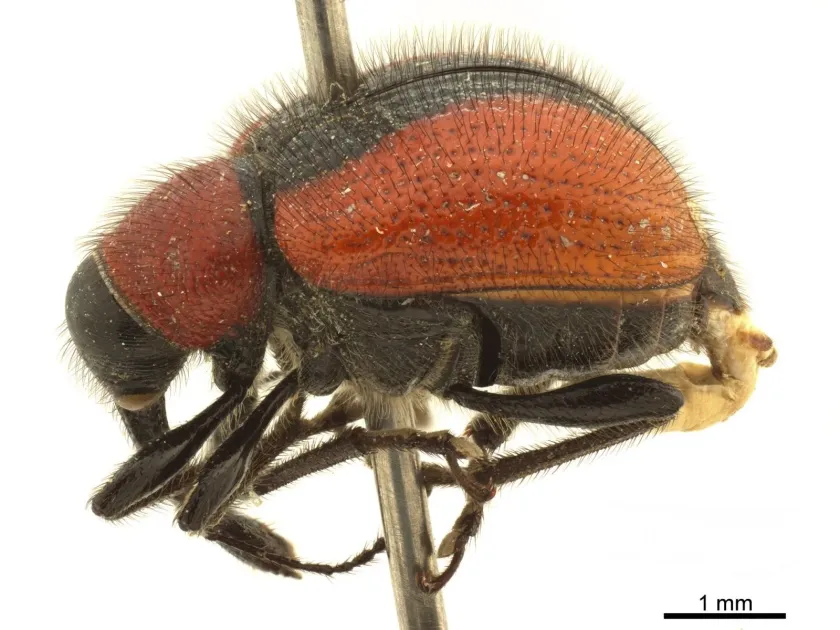
The pear weevil (Homalorhynchites hungaricus) is a member of the Rhynchitidae family, order Coleoptera. Adult beetles typically measure 5 to 7 mm in length and possess a characteristic elongated rostrum (snout).
The body displays a metallic, shiny appearance with colors ranging from golden-green to bronze-red. The surface is covered with fine, sparse hairs that distinguish it from similar species.
The larvae are legless, C-shaped grubs, white in color with a prominent brown head capsule. They are specialized feeders found primarily within the fruit tissue.
Adults overwinter in the soil or under leaf litter. They emerge in early spring, synchronized with the onset of favorable temperatures and the development of tree buds.
Understanding the life cycle is crucial, as the pest follows a strict seasonal progression tied to the phenological stages of pear trees.
What it damages
This pest causes significant economic loss by damaging pear, apple, and occasionally quince trees. Both adults and larvae are responsible for the injuries inflicted on the crops.
Adult beetles feed on developing buds in early spring, boring holes that prevent normal flower development and drastically reduce fruit set.
The most severe damage occurs during the oviposition process, where females puncture the skin of young fruits to deposit eggs, leading to localized necrosis and fruit drop.
Larvae consume the inner flesh and seeds of the fruit, causing structural breakdown. Infested fruit is usually unmarketable and prone to rapid decay.
In neglected orchards, high populations of this weevil can lead to a substantial loss of the entire harvest if not managed early in the season.
When it appears
The activity season begins as temperatures rise in early spring, typically correlating with the bud-burst phase of the host trees.
The peak of mating and egg-laying coincides with the flowering and early fruit-setting stages, making this a critical window for intervention.
During the summer months, the larval stage completes its development inside the infested fruit before migrating to the soil to pupate.
Pupation occurs in the ground, and by late summer or early autumn, the new generation of adults is formed, which then enters diapause for the winter.
Environmental factors, such as unusually warm springs, can accelerate the emergence of adults, requiring earlier monitoring efforts by orchard managers.
Signs of infestation
Small, circular feeding punctures on buds are the earliest indicators of an infestation, often leading to deformed leaves or barren branches.
Premature fruit drop in early summer is a classic sign of internal infestation; dissecting these fallen fruits often reveals the white larvae inside.
The presence of necrotic spots or hardened bumps on the surface of young pears indicates where the female has laid her eggs.
Adult weevils are often spotted clinging to leaves or branches; they exhibit a freezing behavior when disturbed, which makes them easier to collect for identification.
Persistent browning of fruit and the presence of frass on the skin are late-stage signs that confirm significant infestation levels within the canopy.
Control measures
Effective management requires an integrated approach that combines mechanical removal with targeted chemical applications.
- Systematic collection and disposal of all fallen fruits to break the larval life cycle.
- Autumn soil cultivation under the canopy to disrupt and kill overwintering pupae and adults.
- Application of approved insecticides at the "pink bud" stage and again shortly after petal fall.
- Use of sticky or mechanical trunk bands to intercept adults as they migrate toward the canopy.
- Sanitary pruning to remove damaged or mummified fruits from the tree structure during winter.
Chemical control should be precise and timed to match the beetles' feeding activity, ensuring minimal impact on beneficial pollinators.
Biological control agents, such as parasitic wasps and predatory beetles, can play a supporting role in maintaining population levels below the economic threshold.
Maintaining high orchard hygiene and vigor helps trees tolerate minor damage and prevents the pest from establishing a dominant presence in the fruit production area.
Taxonomy
- Latin name
- Homalorhynchites
- Order
- Coleoptera (beetles)
- Family
- Attelabidae
- EPPO code
- HOMHSP
Discussion
No discussions yet — be the first.