
Auletobius uniformis
Auletobius uniformis
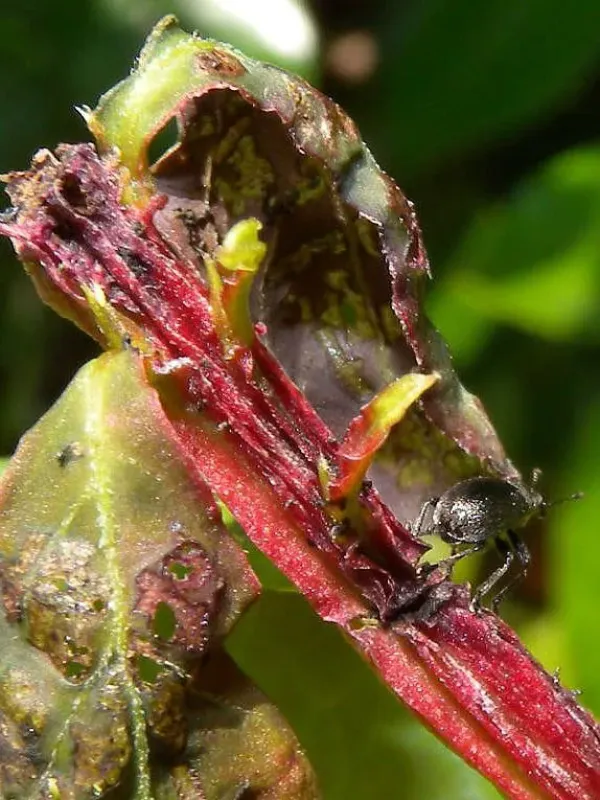
Description
How to identify
Auletobius uniformis is a small beetle belonging to the Attelabidae family within the order Coleoptera. Adult insects typically have an elongated body, measuring approximately 2.5–3 mm in length, with a dark, often black or dark brown coloration.
The snout, characteristic of many weevils, is relatively thin and long. The elytra surface is covered with fine punctures and sparse, subtle pubescence, giving the beetle a somewhat matte appearance under magnification.
The larvae are legless, slightly curved grubs, typically creamy white in color with a brownish head capsule. They develop hidden within plant tissues, making them difficult to detect during the early stages of infestation.
Pupae are also pale in color and are formed either in the soil or within damaged plant parts, depending on the specific environmental conditions and the developmental stage of the population.
Biologically, this species is well-adapted to temperate climates, preferring various woody and shrub species, which makes it a persistent inhabitant of both home gardens and commercial orchards.
What it damages
The primary hosts for Auletobius uniformis are stone and pome fruit crops, including apple, pear, plum, cherry, and sweet cherry trees, which provide both habitat and food.
The pest damages leaves, young ovaries, and terminal shoots. Females injure leaf stalks or young fruits while laying eggs, which leads to fruit deformation and premature fruit drop.
Once hatched, larvae actively feed on internal tissues, disrupting the vascular system and sap flow. This weakens the tree, reduces its winter hardiness, and lowers its overall resistance to secondary fungal infections.
Damaged areas serve as entry points for pathogens, including bacterial blights and rot. During years of high population density, the pest can destroy a significant portion of the harvest at the ovary stage.
Economic damage is manifested through direct yield loss and degraded fruit quality, necessitating prompt intervention by the grower when initial signs of activity are noticed.
When it appears
Adult activity begins in early spring, as soon as temperatures rise enough to initiate bud break and the emergence of the first foliage in the orchard.
Mass emergence typically coincides with the flowering phase of fruit trees. During this time, the beetles are most active in feeding, mating, and selecting sites for oviposition.
The larval feeding period spans the entire summer season, encompassing the most critical phases of fruit development and active shoot growth in fruit trees.
In autumn, adults and some pupae enter diapause, overwintering in plant debris, under fallen leaves, or within the topsoil layer beneath the tree canopy.
Monitoring the pest is recommended on a weekly basis, starting from the green bud stage through mid-summer, to timely identify population spikes and prevent major outbreaks.
Signs of infestation
The first visual sign of infestation is the presence of characteristic punctures or tiny holes on the surface of young leaves and petioles, made by females during egg-laying.
A second important indicator is the mass wilting or curling of terminal shoots, which turn black and die back due to damage to the vascular system caused by adult feeding.
The premature drop of young fruitlets, which reveal internal tunneling or larval presence upon dissection, is a reliable sign of this pest's activity.
- Presence of beetles on the underside of leaves during careful inspection.
- Appearance of dry "flags" or dead twigs on the tree canopy.
- Unseasonal fruit drop showing feeding marks near the stem base.
If these symptoms are observed, a thorough crown inspection—using the "shake and sheet" method to dislodge insects—is necessary for definitive identification.
Control measures
Cultural control methods include the regular removal and destruction of fallen leaves and mummified fruits, which often serve as overwintering sites for larvae and adults.
Deep cultivation of the soil around the tree trunk in late autumn is an effective technique to disrupt the life cycle by exposing pupae and larvae to freezing temperatures.
During the growing season, manual collection and destruction of damaged ovaries and curled leaves help reduce the population size of the next generation.
In cases of high infestation, targeted insecticide applications, applied before and immediately after flowering, are effective when using products approved for fruit crops.
The use of pheromone traps helps in monitoring population dynamics and, in some cases, can assist in reducing the reproductive success of the pest by trapping males.
Taxonomy
- Latin name
- Auletobius uniformis
- Order
- Coleoptera (beetles)
- Family
- Attelabidae
- EPPO code
- AULTUN
Discussion
No discussions yet — be the first.