
Auletobius
Auletobius
Description
How to identify
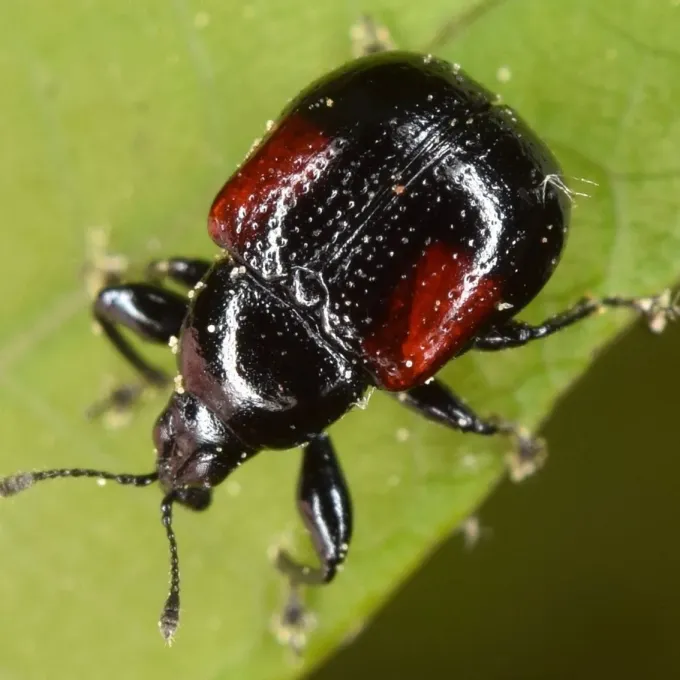
Auletobius is a genus of weevils belonging to the family Rhynchitidae, order Coleoptera. These small beetles are characterized by their elongated snouts, which are adapted for feeding and oviposition on host plants.
Adult insects typically exhibit a dark, sometimes metallic coloration. Their bodies are covered with fine hairs, which can provide a matte or slightly iridescent appearance depending on the species.
A hallmark of these weevils is the sophisticated behavior of the females, which roll leaves into tight, cigar-shaped structures. This behavior is designed to protect their larvae from environmental stressors and predators.
The biology of Auletobius is intrinsically linked to the phenology of trees and shrubs, as they require fresh plant tissue for both adult feeding and larval development.
As part of the Rhynchitidae family, they play a specific role in forest and orchard ecosystems, functioning as specialized leaf-feeders that influence the development of terminal buds and leaves.
What it damages
The primary hosts of Auletobius include various fruit trees such as apples, pears, plums, and cherries. They are known for causing significant damage during the early growing season.
Adult weevils feed on developing buds, causing them to dry out and fail to blossom. This direct damage significantly reduces the potential yield of the affected trees.
The larvae feed on the inner tissues of the rolled leaves, causing the foliage to wither, brown, and eventually drop prematurely from the tree.
Severe infestations can stunt shoot growth, especially in young nursery trees, leading to deformed branches and reduced overall plant vigor throughout the summer.
The cumulative impact of both adult feeding and larval activity can weaken orchard health, making trees more susceptible to secondary infections or environmental stress.
When it appears
The active life cycle of Auletobius begins in early spring, synchronized with the onset of bud break in fruit trees when temperatures become favorable.
Adults emerge from their overwintering sites, typically within the soil or deep inside leaf litter, as soon as the weather warms up in late March or April.
The critical period for leaf-rolling and egg-laying occurs throughout May, coinciding with the rapid growth of succulent new leaves required for larval development.
By mid-summer, the larvae typically vacate the leaf rolls and drop to the ground to pupate in the soil, where they remain until the following spring.
Understanding the exact timing of these seasonal stages is vital for implementing targeted pest management interventions at the most vulnerable points of the weevil's life cycle.
Signs of infestation
The most distinctive symptom of an Auletobius infestation is the presence of neatly rolled leaf structures on the tips of shoots, often referred to as leaf cigars.
Examination of buds may reveal small, puncture-like feeding marks or hollowed-out areas where the weevils have pierced the protective scales to feed on the inner tissue.
In the early morning, adults may be seen clinging to stems or leaves; they are relatively immobile and will often drop to the ground if disturbed.
Wilted, blackened leaves that do not correspond with normal senescence are indicators of larval activity inside the rolled leaf tissues.
Reduced terminal growth and the formation of lateral shoots are long-term structural signs that a tree has been suffering from chronic weevil pressure.
Control measures
Sanitation practices are the first line of defense; gathering and destroying fallen leaves and debris can significantly reduce the overwintering population.
Cultivating the soil beneath the tree canopy during the autumn months helps to disrupt the pupation process and exposes larvae to predators and frost.
For chemical control, contact or systemic insecticides should be applied during the green-tip or pink-bud stage if monitoring indicates that the economic threshold has been exceeded.
In organic or home orchard settings, hand-picking and removing the leaf rolls before the larvae emerge is an effective, non-toxic management strategy.
- Regular monitoring of orchard canopy for leaf damage
- Use of sticky bands or pheromone lures where available
- Encouraging natural predators such as birds and parasitic wasps
Taxonomy
- Latin name
- Auletobius
- Order
- Coleoptera (beetles)
- Family
- Attelabidae
- EPPO code
- AULTSP
Discussion
No discussions yet — be the first.