
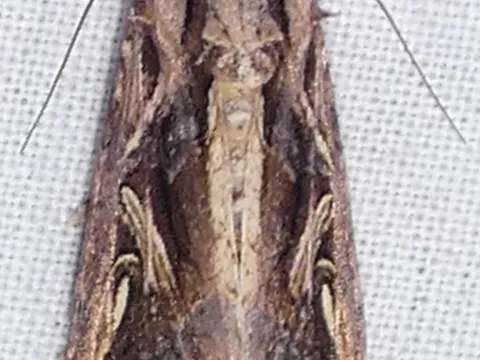
Spodoptera dolichos
Spodoptera dolichos
Spodoptera dolichos, commonly known as the sweetpotato armyworm or black-spotted cutworm, is a moth species belonging to the Noctuidae family. The adult moths are nocturnal, exhibiting a mottled grey and brown wing pattern for camouflage.
What the section contains
Spodoptera dolichos
The larvae, or caterpillars, display significant variation in color depending on their developmental stage, ranging from light green to a dark, velvety black. A key diagnostic feature is the dark patch often present on the first abdominal segment.
The life cycle involves an egg stage, several larval instars, a pupal stage in the soil, and the adult moth. The duration of each stage is highly dependent on ambient temperature, with warmer conditions significantly accelerating the cycle.
This insect is primarily distributed in tropical and subtropical regions. However, its presence can be recorded in temperate areas where it may occasionally migrate or survive in protected agricultural environments.
To differentiate this species from other armyworms, experts look for specific markings on the prolegs and head capsule. Proper identification is crucial for selecting the most effective control measures.
Spodoptera dolichos is a highly polyphagous pest, meaning it feeds on a wide variety of plant species. Its host range includes critical crops such as soybeans, sweet potatoes, tomatoes, beans, and cotton.
The larvae are known for their voracious appetite, causing severe defoliation. In high-density populations, they can strip entire plants of their leaves within a few days, leading to complete crop failure.
Damage often starts as "window-paning," where young larvae consume the leaf epidermis while leaving the veins intact. As they grow older, they consume the entire leaf tissue, often moving to buds and fruits.
Besides direct tissue loss, the damage weakens the plant's structural integrity and physiological capacity. This stress makes the plants significantly more susceptible to secondary pathogens and environmental factors.
In addition to agricultural crops, this pest also targets ornamental plants and various weeds, which can serve as a refuge during periods when primary crops are not available.
The seasonal activity of this pest is strongly correlated with the growing season and regional climate. In tropical zones, populations may remain active throughout the entire year.
In regions with distinct seasons, the highest activity occurs during the warm summer months. Farmers should initiate intensive monitoring during the vegetative growth phase of the target crops.
Adult moths are nocturnal and are attracted to light and pheromone sources. Monitoring programs using light traps provide essential data on flight peaks, helping to predict larval emergence.
Overwintering usually occurs in the pupal stage, buried within the soil profile. Tillage practices that disturb the soil after harvest can help reduce the survival rate of these pupae.
Scouting should begin early in the season, focusing on the undersides of leaves where females deposit their egg masses. Early detection is the most effective way to prevent widespread infestation.
The most visible sign of an infestation is the presence of egg masses, which are typically covered by a layer of scales from the female's body, appearing as fuzzy, light-colored patches.
Young larvae leave characteristic skeletonized spots on the leaves. As they mature, these spots transform into large, irregular holes that rapidly increase in size and number.
The accumulation of frass (larval droppings) on the soil surface or stuck to the foliage is a telltale sign of heavy caterpillar presence. This waste is often abundant beneath the feeding canopy.
Wilting of terminal shoots or damage to developing fruit is a clear indicator that the larvae have reached a more destructive stage of their life cycle.
Observing adult moths near crop fields at night is a strong indication of potential upcoming larval outbreaks, suggesting that fields should be checked frequently for eggs.
Effective management requires an Integrated Pest Management (IPM) approach. Cultural control, such as deep plowing to destroy pupae and rotating crops, is a fundamental starting point.
Biological control agents, including Bacillus thuringiensis sprays and the introduction of parasitic wasps or predatory insects, can significantly suppress larval populations without harmful chemical residues.
Chemical control should be applied when larval counts exceed the economic threshold. Insecticides including pyrethroids, organophosphates, or insect growth regulators can be effective when applied correctly.
- Utilize pheromone traps for early population detection.
- Maintain clean field borders to eliminate alternative host weeds.
- Use selective insecticides to preserve beneficial predator populations.
- Implement regular scouting protocols twice weekly during high-risk periods.
Because these caterpillars can develop resistance, it is critical to rotate the chemical classes used for control to ensure the longevity of available insecticide efficacy.