
Sibine
Sibine
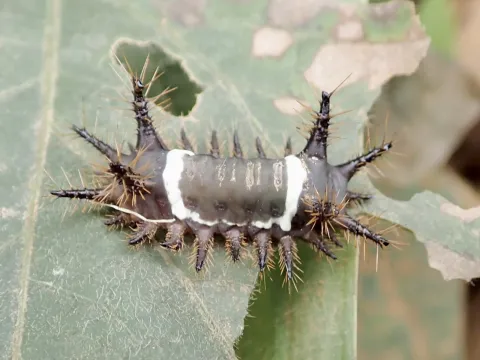
The genus Sibine, part of the Limacodidae family, consists of moths whose larvae are commonly known as slug caterpillars due to their unique, slow-moving gait.
What the section contains
Sibine
The most famous member is Sibine stimulea, often called the "saddleback caterpillar" because of its distinct markings on the dorsal side of its body.
These caterpillars possess specialized stinging spines connected to venom glands, which serve as a powerful defense mechanism against predators.
Adult moths of the Sibine genus are relatively small, with wingspans often ranging from 3 to 4 centimeters, typically featuring muted brown or chestnut colors.
The life cycle encompasses a complete metamorphosis, moving through egg, larval, pupal, and adult stages, with pupation often occurring in a protective, rounded cocoon.
Sibine species are polyphagous, capable of feeding on a wide range of host plants, including both ornamental and forest tree species.
Common hosts include fruit trees such as apple, pear, and plum, as well as oaks, elms, and various broad-leaved shrubs.
The larvae consume leaves with a rasping action, resulting in irregular holes, margin feeding, or complete skeletonization of the foliage.
Heavy infestations can lead to significant defoliation, which places severe physiological stress on the tree and reduces its photosynthetic capacity.
Young plants and newly transplanted saplings are particularly vulnerable to extensive damage caused by these caterpillars during the peak of summer.
The activity of these pests is closely tied to the warm season, with adult moths emerging to mate and lay eggs starting from late spring.
Larvae are typically active throughout the summer months, growing larger and consuming more foliage as the season progresses.
By late summer or early autumn, mature larvae construct cocoons and enter a pupal stage, where they remain until the following season.
Environmental conditions, particularly temperature and humidity, play a crucial role in determining the speed of larval development and the number of generations.
Regular monitoring of plants is most important during June and July, when larval numbers are usually highest and damage becomes visible.
The primary indicator of a Sibine presence is the appearance of damaged leaves featuring jagged edges or missing areas of the leaf blade.
Small droppings (frass) may be found on the leaves below the feeding site or scattered on the ground beneath the canopy.
Direct visual inspection of the underside of leaves often reveals the presence of larvae, which may remain motionless for long periods.
Occasionally, spherical, dark-colored cocoons may be spotted attached to twigs or branches, indicating a completed generation in the vicinity.
An unexpected stinging sensation when brushing against foliage is a clear, albeit unpleasant, sign that caterpillars are present on the plant.
Manual removal is the most direct control method; however, it must be performed while wearing heavy-duty gloves to avoid contact with stinging spines.
Biological control using Bacillus thuringiensis (Bt) is highly effective against early larval stages while remaining safe for most beneficial insects.
For high-density populations, localized applications of insecticides can be used to prevent further spread and damage to the host trees.
Promoting general tree health through proper irrigation and fertilization ensures that trees can better withstand and recover from defoliation events.
Sanitation practices, such as clearing fallen leaf litter during autumn, help to destroy pupae and reduce the population density for the following year.