
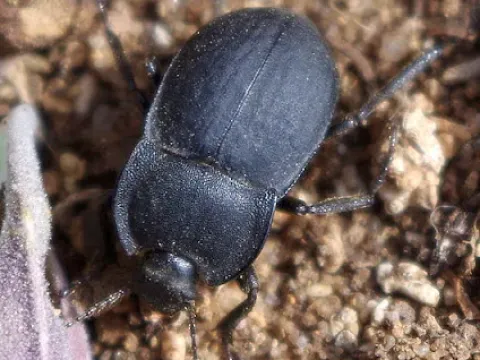
Krubera peregrina
Krubera peregrina
Krubera peregrina is a species of insect classified within the Miridae family, commonly known as plant bugs or leaf bugs, belonging to the order Hemiptera. These insects are characterized by their small size and specific body structure that allows them to navigate effectively across various host plants.
What the section contains
Krubera peregrina
The life cycle of this pest involves several developmental stages, including egg, nymph (instar), and adult phases. Throughout their life cycle, they remain largely dependent on the host plant for both sustenance and shelter, often displaying cryptic coloration that helps them blend into foliage.
Reproduction typically occurs throughout the growing season, with multiple generations possible depending on environmental temperature and humidity levels. Their ability to rapidly increase their population size makes them a significant concern for intensive agricultural production systems.
Overwintering usually takes place in the egg stage, often tucked away in protected microhabitats such as plant debris, bark crevices, or the upper soil layer. As temperatures rise in the spring, the nymphs emerge and begin the process of feeding on emerging plant tissues.
Effective identification in the field requires close inspection of the underside of leaves and stems. Agronomists often use sweep nets or yellow sticky traps as part of routine monitoring programs to assess population density and track migration patterns.
The primary damage caused by Krubera peregrina involves the extraction of plant sap through their piercing-sucking mouthparts. This feeding process results in the depletion of vital plant nutrients and fluids, which directly impacts the plant's overall health and vigor.
Symptoms of feeding injury typically manifest as chlorotic spots or stippling on the leaves, which can gradually merge to form larger necrotic areas. This reduction in the functional leaf area limits the plant's photosynthetic capacity, leading to decreased biomass production.
When infestation levels are high, the plants exhibit stunted growth, wilting, and in some cases, severe distortion of terminal shoots. This damage is most critical during the active vegetative growth phase, as it disrupts the development of flowers and fruit.
In addition to direct physiological harm, the feeding punctures created by the bugs serve as infection sites for various secondary pathogens, including bacteria and fungi. This secondary infection often causes more extensive damage than the feeding activity itself.
The economic impact of this pest varies depending on the crop's sensitivity and the timing of the infestation. Early detection and intervention are essential to preventing long-term structural damage to the crop and ensuring marketable yield quality.
The most common sign of a Krubera peregrina presence is the emergence of small, light-colored spots on the leaves. These spots are a direct result of the insects feeding on the inner layers of the leaf tissue, which leads to localized cell death.
Observation of nymphs or adult insects near the leaf veins is a clear indicator of active feeding. These insects are often quite agile, so they may quickly drop off the plant or move to the underside of the leaf when disturbed.
Visible changes in plant development, such as the curling or yellowing of leaves at the top of the plant, often indicate a localized hotspot of infestation. These signs are particularly prevalent during warm, dry weather conditions when pest activity is at its peak.
The presence of honeydew-like secretions on leaf surfaces is another indicator of significant pest activity. These secretions may promote the growth of sooty mold, giving the leaves a darkened or sticky appearance that hinders normal gas exchange.
If left unmanaged, the cumulative effect of these signs will result in uneven crop stands. Regularly assessing these physical symptoms is a key component of an effective integrated pest management strategy.
Managing Krubera peregrina requires an integrated approach that combines cultural, biological, and chemical methods. Cultural practices, such as rotating crops and maintaining clean field margins, are the first line of defense to disrupt the pest's cycle.
Biological control plays a vital role in maintaining population balance. Encouraging the presence of natural predators, such as lady beetles, lacewings, and parasitic wasps, can significantly reduce the numbers of nymphs and eggs on the plants.
If population densities exceed the economic injury threshold, targeted chemical intervention may be necessary. Using selective insecticides that target the pest while preserving beneficial insect populations is the preferred management strategy in modern agronomy.
Constant monitoring using field surveys and pheromone or adhesive traps provides the data needed to time applications accurately. Preventing the spread from nearby weed reservoirs is equally important to stop re-infestation throughout the growing season.
- Implementation of crop rotation to eliminate overwintering sites.
- Application of selective insecticides at the early nymphal stage.
- Regular field scouting and monitoring using traps.
- Thorough removal of crop residues post-harvest to reduce overwintering populations.