
Kakivoria
Kakivoria
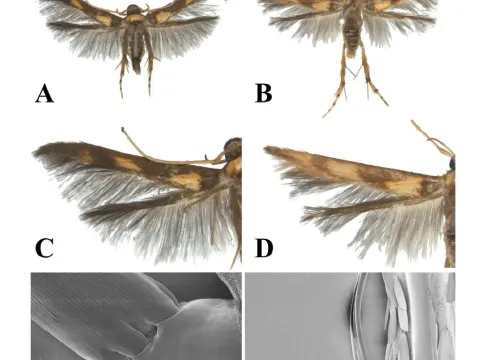
Kakivoria (Kakivoria flavofasciata) is a specialized lepidopteran pest belonging to the family Cosmopterigidae. These insects are known for their specific host plant requirements, primarily targeting persimmon trees.
What the section contains
Kakivoria
The adult moth exhibits specific morphological characteristics that allow experts to identify the species in the field. The larvae, or caterpillars, are the primary stage responsible for the damage observed on fruit crops.
Understanding the life cycle of Kakivoria is essential for successful pest management programs. The insect undergoes a complete metamorphosis, including egg, larval, pupal, and adult stages.
Adult moths are nocturnal, which makes visual identification challenging during daytime inspections. Using pheromone-baited traps is the most reliable method for detecting the presence of this pest in an orchard.
Small but significant in terms of impact, the population dynamics of Kakivoria require close monitoring. Early detection of adult activity can prevent significant economic losses through timely intervention.
The primary host for Kakivoria is the persimmon (Diospyros kaki), as its common and scientific names imply. The larvae bore into the developing fruit, causing direct damage to the crop.
Infestation typically leads to premature fruit drop, which significantly reduces yield. The fruit that remains on the tree often suffers from deformation and a loss of market quality due to larval feeding.
Feeding wounds created by the larvae provide entry points for secondary pathogens, such as fungi and bacteria. This frequently results in fruit rot, further exacerbating the damage caused by the pest.
Heavy infestations can devastate an entire season's harvest if left uncontrolled. The economic impact is particularly severe in regions where persimmon cultivation is a primary agricultural activity.
In addition to fruit, the larvae can damage the peduncles, causing the entire fruit-bearing structure to weaken and drop. Regular assessment of fruit development is crucial for identifying these early signs of damage.
The life cycle of Kakivoria is tightly synchronized with the phenology of the persimmon tree. Activity typically begins in the spring, coinciding with the formation of fruitlets.
Overwintering occurs in sheltered areas, such as bark crevices, where the pest survives the cold season. As temperatures rise, adult emergence occurs, followed by egg-laying.
Multiple generations can occur throughout the growing season, necessitating ongoing vigilance. The exact number of generations depends on the local climate and temperature conditions.
Peak activity periods usually align with the fruit development and maturation phases. Monitoring should be intensive during these times to ensure that control measures are applied effectively.
While environmental factors may influence development speed, the persistent nature of Kakivoria means that monitoring must continue until the final harvest. Weather records can help predict timing for protective measures.
The most visible signs of Kakivoria presence include small entry holes on the fruit surface and frass accumulations near these points. Fine silken webbing might also be present around damaged fruit.
Premature discoloration, often appearing as yellowing on immature fruit, is a strong indicator of larval feeding inside. Cutting open affected fruit typically reveals internal larval galleries.
Excessive fruit drop, especially among young fruitlets, should prompt an immediate inspection of the orchard. Checking the attachment point of the fruit to the stem often reveals signs of pest activity.
Deformed fruit with asymmetrical growth patterns are common indicators that a larva has been feeding within. Such damage is usually irreversible, highlighting the importance of prevention.
Regular orchard scouts should look for these subtle symptoms to determine the need for treatment. Early identification significantly increases the chances of saving the remaining crop.
Effective management relies on an integrated pest management (IPM) approach that combines chemical, biological, and cultural methods. Insecticides should be used according to local regulations and safety guidelines.
Cultural practices, such as removing and destroying fallen fruit, are essential for reducing the next generation's population. This sanitation process is a simple yet effective way to control the pest.
Pheromone traps are highly effective for monitoring and can also serve as a mass-trapping tool to reduce the number of breeding adults. This reduces the reliance on broad-spectrum chemical sprays.
Encouraging natural predators and parasitoids in the orchard can help suppress the pest population naturally. This is a critical component of sustainable fruit farming.
- Monitoring with pheromone-baited traps
- Sanitation by removing infested fruit
- Targeted insecticide application
- Biological control using natural enemies
- Strategic pruning to improve canopy visibility