
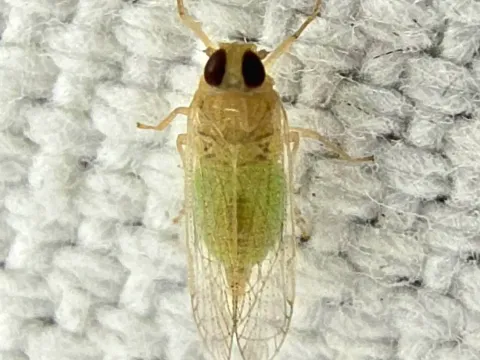
American palm cixiid
Haplaxius crudus
The American palm cixiid (Haplaxius crudus) is a small insect belonging to the family Cixiidae within the order Hemiptera.
What the section contains
American palm cixiid
Adults are typically dark-colored with transparent wings, measuring only a few millimeters in length, making them difficult to spot without close inspection.
These insects are highly mobile and active, especially during warm weather, which allows them to spread rapidly across plantations or garden areas.
Nymphs of the species live in soil, typically around the root zones of host plants, where they feed on root sap and remain protected from environmental factors.
Due to their small size and cryptic behavior, specialized monitoring techniques like yellow sticky traps are essential for early detection in high-risk areas.
The primary host plants include a wide range of palm species, such as the coconut palm (Cocos nucifera) and many ornamental palms.
In addition to palms, the insect feeds on various grasses, which serve as alternate hosts and reservoirs for the phytoplasma bacteria transmitted by the insect.
Direct damage from feeding is relatively minor compared to the severe consequences of the diseases the insects transmit while probing plant tissues.
The pest is a major economic threat to the landscaping industry and agriculture, as infected trees often succumb to lethal yellowing diseases.
Young plants in nurseries are particularly vulnerable and can lose their commercial value rapidly if not managed correctly from the early stages.
The hallmark sign of infestation, specifically when the phytoplasma is transmitted, is the yellowing of fronds, starting from the lower levels of the canopy.
Affected trees often show a premature drop of fruits and a distinct blackening of the inflorescences before they even fully open or pollinate.
As the disease progresses, the central spear of the palm may collapse, followed by the rapid death of the entire crown within a few months.
Visual presence of the adults can be confirmed by shaking the palm fronds, which disturbs the insects and forces them to take flight temporarily.
While the insect itself leaves behind small feeding marks, the systemic decline of the tree is the primary indication that an infestation has occurred.
Effective management strategies combine cultural practices with the application of systematic insecticides to target both adults and soil-dwelling nymphs.
Maintaining a weed-free environment around palms is crucial, as this limits the alternative feeding sources for the cixiid and reduces its population density.
For high-value specimen trees, prophylactic trunk injections with antibiotics can help manage the lethal yellowing symptoms, although it is not a complete cure.
Strict quarantine and movement regulations for palm nursery stock are necessary to prevent the geographic spread of the pest into uninfested areas.
Integrated Pest Management (IPM) programs should be tailored to the specific palm species and the local environmental conditions to achieve long-term success.