
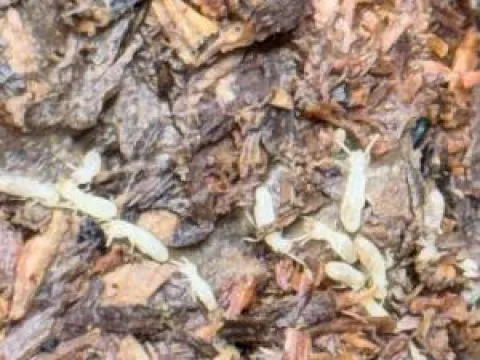
Glyptotermes neotuberculata
Glyptotermes neotuberculata
Glyptotermes neotuberculata is a species of drywood termite belonging to the family Kalotermitidae. Unlike subterranean termites, these insects do not require contact with the soil to thrive, making their management unique.
What the section contains
Glyptotermes neotuberculata
The colony structure consists of specialized castes, including soldiers and nymphs that work continuously within the wood. They reside entirely inside the host tree, creating intricate galleries that serve as both home and food source.
These termites are biologically adapted to survive on wood with low moisture content. Their life cycle includes multiple nymphal stages, and the colony expansion is driven by the dispersal of alates during swarming season.
Identification is primarily based on the presence of specific morphological features of soldiers, which help distinguish them from other wood-boring insects. However, their secretive nature often keeps them hidden for years.
Because they spend their entire lifecycle within the wood, they do not build external mud tubes. This adaptation allows them to remain cryptic, often only being detected when significant damage has already occurred.
This species infests a wide range of woody plants, targeting both the heartwood and sapwood. By consuming the internal structure, they compromise the integrity of the tree from the inside out.
The structural damage caused by their feeding activity leads to weakened limbs and trunks. This puts the tree at high risk of breakage during windstorms or under the stress of heavy fruit loads.
As the galleries grow, the internal transport system of the tree is disrupted. Water and nutrient uptake are impaired, leading to canopy thinning, leaf yellowing, and eventually the death of the affected plant.
Beyond live trees, Glyptotermes neotuberculata can impact agricultural infrastructure, including wooden stakes, trellises, and other timber-based garden features, causing property damage.
Cumulative damage over several years can turn a healthy tree into a hollow shell, significantly reducing its lifespan and productivity in an orchard or forest environment.
The most telltale sign of infestation is the appearance of frass, which consists of small, hard fecal pellets. These pellets are typically found accumulating below exit holes in the bark.
Small circular or irregular openings on the bark surface, sometimes plugged with a mixture of frass and saliva, are key indicators of termite activity within the stem.
A hollow sound when tapping the trunk or branches suggests the presence of interior galleries. This sign is essential for diagnosing the extent of the damage in infested trees.
Sighting of winged reproductive forms during swarming periods provides clear evidence that a mature colony is present in the vicinity and has reached the reproductive phase.
Unexpected branch failure, where limbs snap cleanly without evidence of decay or disease, should prompt an immediate inspection for termite tunneling inside the wood.
The primary control strategy involves routine physical inspection of the orchard. Early detection is crucial, as small infestations can be treated before they compromise the entire tree structure.
Direct injection of appropriate contact insecticides into the termite galleries is a standard and effective approach for localizing and eliminating the colony without widespread chemical application.
Cultural practices, such as removing infested branches and maintaining tree vigor through proper irrigation and nutrition, help minimize the susceptibility of the trees to termite colonization.
If a tree is severely infested, sanitation is necessary. This involves the complete removal and burning of the infested wood to prevent the spread of the colony to neighboring trees.
Using physical barriers or protective wood sealants on major pruning wounds can reduce the entry points for alates looking to establish new colonies within the tree.