
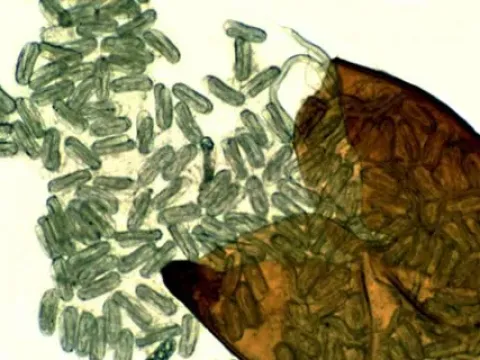
Achillea potato cyst nematode
Globodera achilleae
The Achillea potato cyst nematode (Globodera achilleae) is a soil-borne parasite belonging to the Heteroderidae family. It is a microscopic roundworm that poses a threat to agricultural productivity.
What the section contains
Achillea potato cyst nematode
The female nematode develops into a protective cyst, which is a hardened, lemon-shaped structure containing hundreds of eggs. This cyst protects the offspring from harsh environmental conditions for many years.
Males are vermiform (worm-shaped) and mobile, moving through the soil film to locate females. Once mating occurs, the female becomes sedentary and eventually forms the cyst on the host plant roots.
Identification typically requires microscopic analysis of soil samples or root systems. Because of its microscopic size, it is often confused with other species like Globodera rostochiensis.
The taxonomic classification places it within the order Tylenchida. Its survival strategy makes it one of the most resilient pests in fields contaminated with nematode cysts.
This nematode primary affects plants in the Solanaceae family, especially potatoes. Additionally, it can infect plants in the Asteraceae family, such as yarrow (Achillea).
The larvae penetrate the roots and induce the formation of specialized feeding sites. This causes the roots to swell and limits the plant's ability to absorb essential nutrients and water.
As a result of root damage, potato plants suffer from stunted growth, reduced leaf area, and poor tuber development. This leads to significant yield losses in commercial farming operations.
The physiological stress caused by the nematodes makes the plants more susceptible to secondary infections by soil-borne fungi and bacteria, further aggravating the damage.
In highly infested areas, the lack of sufficient nutrients and water uptake causes premature senescence of the foliage, making the plant unable to complete its vegetative cycle properly.
The nematode activity is triggered by the temperature of the soil in early spring. When the temperature rises above 10°C, the larvae hatch from the cysts and begin seeking host roots.
The life cycle is closely synchronized with the potato growing season. The development from juvenile to mature female occurs during the vegetative phase of the crop.
After the cycle, the females produce new cysts that remain in the soil. These cysts can survive for nearly a decade, waiting for another host plant to emerge in subsequent years.
Temperature fluctuations in autumn and winter do not affect the survival rate of the cysts, which remain dormant in the soil profile until the next growing season starts.
Farmers must be aware that even in years without host plants, the population of cysts in the soil may remain stable, requiring long-term monitoring strategies.
Visual symptoms above ground include patches of plants that appear smaller than their neighbors. The foliage often shows signs of chlorosis, resembling a nutrient deficiency.
Wilting during the hottest parts of the day is a hallmark sign of a failing root system caused by nematode feeding. Plants cannot maintain the necessary pressure to transport water.
By carefully washing the root system of an affected potato plant, one might observe the presence of tiny cysts, which look like small dots attached to the root surface.
These signs are often mistaken for environmental or fertilizer issues. Therefore, any field showing uneven growth should be sampled for a professional nematological analysis.
- Patches of stunted growth in the field.
- Yellowing of lower leaves early in the season.
- Reduced size and quality of potato tubers.
- Excessive lateral root branching.
Crop rotation is the primary defense. Rotating potatoes with non-host crops like cereals or grasses for at least four years is essential to reduce the cyst density in the soil.
Strict sanitation protocols must be followed. Cleaning farm machinery between fields prevents the spread of soil-bound cysts to uninfected areas of the farm.
Biological control methods involve using nematophagous fungi or bacteria that prey on nematode larvae or parasitize the cysts, reducing the overall soil population.
Using certified, nematode-free seed potatoes is crucial for preventing the introduction of this pest into clean soil, which is the most effective proactive management strategy.
In cases of severe infestation, specialized nematicides may be utilized, though their use is often restricted by environmental regulations and high application costs.