
Eantis
Eantis
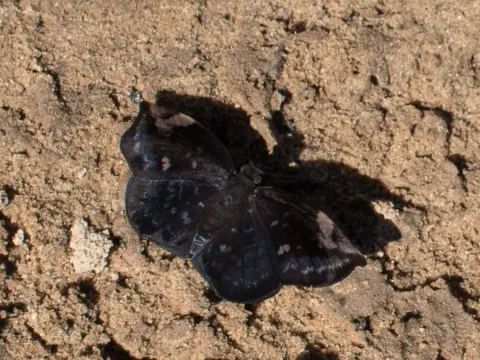
Eantis is a genus of skippers belonging to the Hesperiidae family, within the order Lepidoptera. These butterflies are known for their distinctive flight pattern and robust body structure.
What the section contains
Eantis
Adult moths possess camouflage coloring that allows them to blend seamlessly into their natural habitat, making them difficult to spot in dense foliage.
The life cycle of this species consists of four stages: egg, larva (caterpillar), pupa, and adult, with each stage having specific environmental requirements.
Larvae typically exhibit a voracious appetite and undergo multiple instars of growth before finding a suitable location to pupate.
Biological studies indicate that the population density of these insects can vary significantly depending on seasonal temperature and humidity levels.
The damage is primarily caused by the larvae, which feed on the vegetative parts of host plants, including leaves and occasionally tender stems.
Caterpillars chew holes in leaf blades, often causing heavy defoliation in areas where the pest population is concentrated.
In addition to physical tissue loss, the damage leaves the plants susceptible to secondary fungal or bacterial infections that can further weaken the host.
Economic damage is most notable in vegetable gardens and ornamental crops, where aesthetic and productive quality are severely impacted.
The cumulative effect of larval feeding can lead to reduced plant vigor, delayed growth, and, in severe cases, the death of young seedlings.
The most common sign of an Eantis infestation is the presence of curled or rolled leaves, bound together with silk threads by the larvae for protection.
Visual signs of feeding include irregular holes in the middle of leaf blades or ragged edges caused by caterpillars grazing along the perimeter.
Clusters of eggs or individual eggs found on the underside of leaves during the early season indicate the start of a new generation.
The presence of larval frass (excrement) scattered on the soil surface or stuck to the foliage confirms the active presence of feeding caterpillars.
General wilting or yellowing of foliage despite adequate watering may point to significant leaf tissue damage caused by these insects.
Cultural control is a primary line of defense, involving the removal of weeds and debris that may serve as alternative host plants or shelter.
Mechanical control through hand-picking of caterpillars and removal of infested, rolled-up leaves is highly effective in home gardens.
Biological control methods include the application of Bacillus thuringiensis-based insecticides, which target the larvae while remaining safe for beneficial insects.
Chemical control with systemic insecticides may be necessary in commercial settings if the infestation threshold exceeds acceptable levels.
Regular field scouting and the use of pheromone traps are recommended to time the application of protective treatments for maximum effectiveness.