
Chrysanthemum gall midge
Diarthronomyia
The chrysanthemum gall midge (Diarthronomyia chrysanthemi) is a small dipteran insect belonging to the Cecidomyiidae family. Adult midges are tiny, fragile-looking flies, usually about 2-3 mm long, often orange or reddish in color.
What the section contains
Chrysanthemum gall midge
The life cycle involves multiple stages: egg, larva, pupa, and adult. The insect's development is closely tied to the host plant, as the larvae induce the formation of galls, which serve as both a food source and a protective shelter.
Midges are particularly active in warm, humid environments, such as greenhouses. Their small size often allows them to go unnoticed until significant damage to the plant population becomes evident.
The ability of this species to produce multiple generations within a single season makes it a persistent challenge for commercial growers and home gardeners alike, requiring constant vigilance.
Understanding their behavior, such as their preference for soft, succulent tissues, is crucial for timely detection and preventing the spread of the infestation to clean plants.
The primary host plant for this midge is the chrysanthemum. It is a highly specialized pest that thrives on the succulent growth of these specific flowers, causing distinct morphological changes.
Larval feeding causes the plant to develop galls—abnormal swellings on leaves, stems, and buds. These galls divert nutrients away from the plant’s healthy growth, leading to overall weakness and stunted development.
Heavy infestations result in severe leaf and stem distortion. Affected shoots often fail to produce viable flower buds, which renders the plant useless for commercial sale or decorative purposes in gardens.
The photosynthetic surface area of the leaves is reduced due to the presence of multiple galls, which weakens the plant's immune system and leaves it vulnerable to opportunistic diseases.
Economic losses are significant, as growers may be forced to discard entire batches of infested plants, especially when cosmetic appearance is the primary value of the chrysanthemum crop.
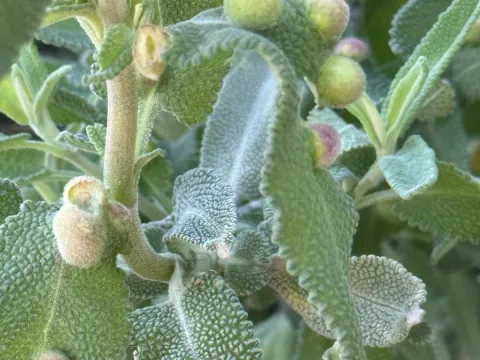
The most reliable sign of an infestation is the presence of small, cone-shaped, or rounded galls on the leaves or stems. These are often raised above the plant surface and can be green, yellow, or brown in color.
Plants affected by the midge exhibit twisted leaves and deformed shoots. The growth pattern becomes irregular, and the affected parts look unsightly compared to the healthy sections of the plant.
Inside the galls, the larvae feed continuously. Cutting open a fresh gall will reveal a small, legless larva, confirming the presence of Diarthronomyia chrysanthemi as the causative agent.
As the larvae mature, the galls may dry out and crack, leaving small exit holes. This is a clear indicator that the adult midges have emerged or are preparing to emerge to continue the reproductive cycle.
Monitoring for tiny, gnat-like flies near the plants during early morning or evening hours can also serve as a warning sign of a starting infestation that needs immediate management.
Integrated Pest Management (IPM) is the most effective way to handle this midge. Starting with certified pest-free cuttings is the first line of defense to prevent introducing the pest into your garden or greenhouse.
Strict sanitation practices must be followed. Any infested plant material should be carefully removed, collected, and burned or disposed of off-site to stop the larvae from completing their development cycle.
Systemic insecticides are generally required to manage the larvae, as they reside inside the protective tissues of the galls where contact sprays are ineffective. These systemic products move through the sap, reaching the larvae directly.
In greenhouse settings, adjusting the environment by reducing humidity can help inhibit the survival of young midges, as they thrive in humid conditions during their sensitive early stages.
- Use yellow sticky traps to monitor adult midge population peaks.
- Avoid over-fertilizing with nitrogen, as it promotes soft growth that the midge prefers.
- Remove weeds that might serve as alternative reservoirs for the pest.