
Beet leaf miner
Pegomya cunicularia
Description
How to identify
The beet leaf miner belongs to the Anthomyiidae family, order Diptera. The adult fly is approximately 6-7 mm long, with a coloration ranging from grey to yellowish-grey.
The head of the fly features characteristic light-colored bristles, and the wings are clear with a yellowish base. The larvae are legless, maggot-like, reach 8 mm in length, and have a whitish or pale yellow appearance.
Pupae form in the soil and have a dark brown, barrel-like shape, which allows them to successfully overwinter in the upper soil layers.
The life cycle of the insect depends on climatic conditions and involves the development of several generations during a single growing season.
The eggs are small, white, and laid in clusters on the underside of host plant leaves, making them difficult to detect during standard field inspections.
What it damages
The primary hosts of this pest are sugar beet, garden beet, and fodder beet. The fly can also infest weed species of the Amaranthaceae family, such as fat hen or common orache.
During years of massive infestation, populations of this insect can cause significant damage to crops, reducing the overall vegetative mass of the plants.
Damage to young beet seedlings is particularly dangerous as it slows growth rates and can lead to premature leaf death.
In mature plants, leaf damage reduces the surface area available for photosynthesis, which directly impacts the sugar accumulation in the roots.
The harmfulness manifests not only in yield loss but also in the degradation of commercial quality and increased susceptibility to secondary plant infections.
When it appears
The emergence of overwintering flies typically begins in spring when soil temperatures reach 8–10 degrees Celsius, often coinciding with the emergence of beet seedlings.
Adult activity is highest during the morning and evening hours in warm and moderately humid weather conditions.
The development of the first larval generation occurs in late May or early June, when they begin actively feeding on leaf tissues.
Second and subsequent generations develop throughout July and August, requiring constant field monitoring in the second half of the summer.
In autumn, after harvest, the pupae enter diapause within the soil, where they remain until the following spring season.
Signs of infestation
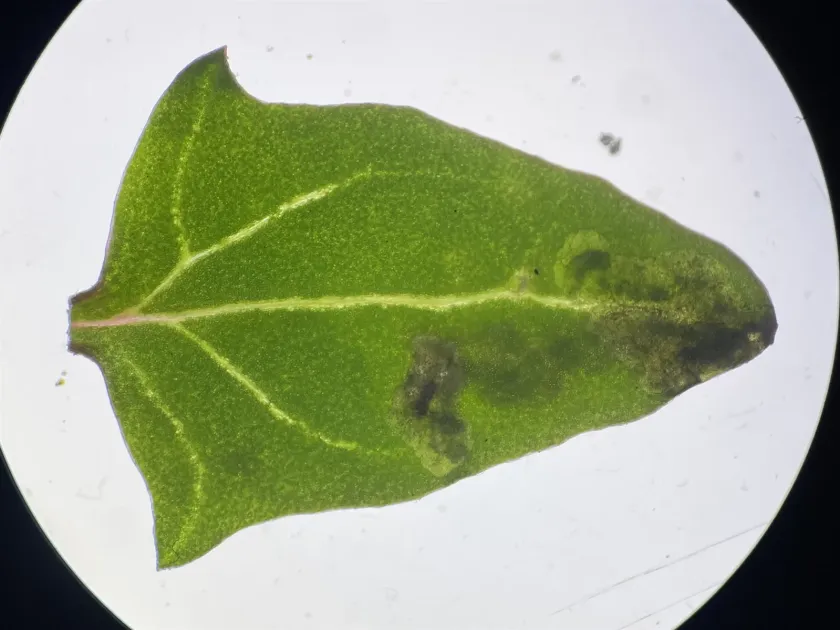
A characteristic sign of larval activity is the appearance of "mines" — specific tunnels within the leaf blade that appear as light-colored, bloated patches.
Over time, the affected areas dry out, turn dark, and may fall off, leaving holes in the leaves.
When larval density is high, the mines merge, leading to complete deformation and the drying out of entire beet leaves.
The presence of larval excrement within the tunnels gives the mines a dirty tint, helping to distinguish them from damage caused by other insects.
- Yellowing of leaf blade margins.
- Presence of transparent "windows" in the leaf tissue.
- Massive curling of affected leaves.
- Loss of turgor in young plants.
Control measures
The most important control measure is strict adherence to crop rotation, avoiding planting beets on the same site more frequently than once every 3-4 years.
Deep autumn plowing helps destroy a significant portion of pupae residing in the soil, which reduces the population of future fly generations.
The eradication of Amaranthaceae weeds around the fields is a mandatory condition for suppressing the pest's reproduction.
Upon reaching the economic threshold of damage, the application of systemic or contact-stomach insecticides is recommended.
Timely fertilization with nitrogen and phosphorus increases plant resistance to damage and encourages the rapid regrowth of new leaf mass.
Taxonomy
- Latin name
- Pegomya cunicularia
- Order
- Diptera (flies)
- Family
- Anthomyiidae
- EPPO code
- PEGOCU
Discussion
No discussions yet — be the first.