
Paregle
Paregle
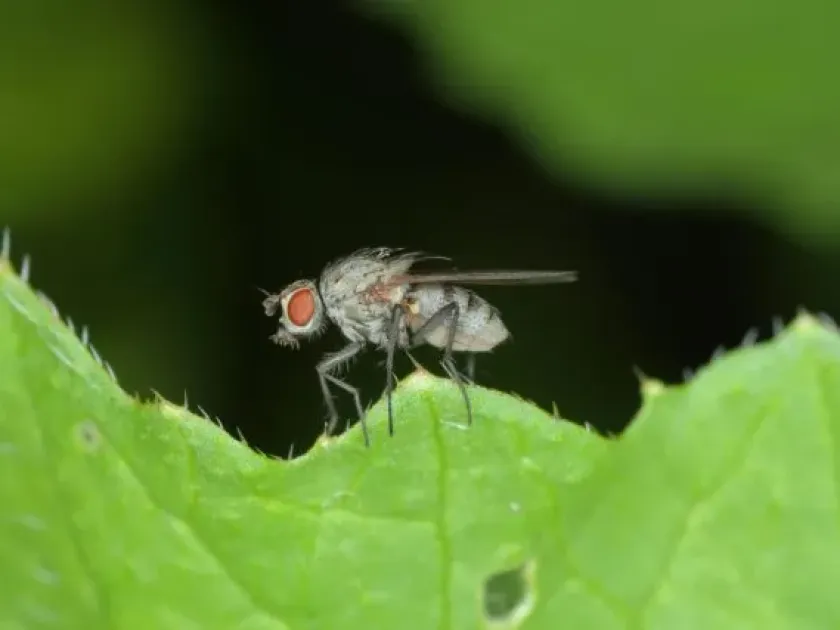
Description
How to identify
The genus Paregle belongs to the family Anthomyiidae, a group of flies commonly known as root flies or flower flies. Adult flies are typically small, greyish or black in color, and covered with fine hairs, resembling house flies in general appearance.
Accurate species-level identification of Paregle is complex due to the morphological similarity between various species within the Anthomyiidae family. Professionals often require microscopic examination of male genitalia to confirm the specific identity of the specimen.
The larvae are cylindrical, legless, and white in color, typical of many dipteran larvae. They possess a pointed anterior end for penetrating plant tissues and a truncated posterior end, which helps them navigate within the host plant's root system.
The life cycle of Paregle consists of four distinct stages: egg, larva, pupa, and adult. They often overwinter as puparia in the soil or within decaying plant debris, providing them with protection against harsh environmental conditions.
Adult flies are agile and thrive in moderate temperatures. Their ability to fly allows them to disperse effectively across agricultural landscapes, seeking suitable host plants to lay eggs near the root zones of emerging vegetables.
What it damages
Paregle species primarily impact various vegetable crops, particularly those in the Amaranthaceae family. The damage is caused by the larvae, which feed on the roots and the base of the stems, leading to severe physiological stress for the plant.
The larval feeding reduces the plant's ability to absorb water and essential nutrients from the soil. Consequently, the affected crops show significant stunting, chlorosis, and wilting, especially during periods of high evaporative demand.
The pest often exploits plants that have been previously weakened or damaged by cultivation tools. This creates entry points for larvae to burrow deeper into the stem tissues, exacerbating the impact on the plant's vascular system.
Larval damage acts as a vector for secondary infections. As the larvae tunnel through the root tissues, they introduce bacteria and fungi, which rapidly cause rot, eventually leading to the total collapse of the plant.
Infestations are particularly destructive during the early growth stages. High larval density can lead to patchy crop stands, resulting in significant yield losses and potential economic impact for commercial growers.
Signs of infestation
One of the earliest signs of a Paregle infestation is the sudden wilting of leaves during the hottest part of the day, with partial recovery at night. This indicates that the root system is no longer functioning effectively.
A closer inspection of the root collar and primary roots will reveal larval galleries. Finding the white, legless larvae within these tunnels is the most reliable indicator of an active infestation in the field.
Discoloration of the roots, often turning brown or black, accompanied by a soft, mushy texture, signifies that secondary decay has set in as a result of the feeding damage. The soil around the plant base may also appear disturbed.
Growers may observe uneven crop growth or specific areas of the field where plants are missing or severely stunted. Yellowing of the lower leaves is another symptom caused by nutrient deficiency due to damaged roots.
Puparia, which appear as small, brownish, barrel-shaped objects, can often be found in the soil surrounding the damaged root zone. Finding these is a clear sign that the pest has successfully completed its development in that location.
Control measures
Effective crop rotation is the primary strategy for managing Paregle. Avoiding the cultivation of susceptible host crops in the same area for consecutive years breaks the pest's reproductive cycle and prevents population buildup.
Post-harvest deep tillage is a highly effective mechanical control method. By turning the soil, puparia are brought to the surface, exposing them to desiccation, frost, and predation by birds and beneficial insects.
Utilizing high-vigor seeds and ensuring optimal growing conditions allows plants to establish a strong root system rapidly. This helps crops withstand minor pest pressure during their most vulnerable early growth stages.
When chemical control is necessary, seed treatments or targeted soil applications of appropriate insecticides can reduce larval numbers. It is crucial to strictly follow local regulations and usage labels to ensure safety and efficacy.
Biological control efforts include fostering habitats for natural predators, such as ground beetles and parasitic wasps. Integrating these natural controls into an IPM (Integrated Pest Management) program significantly helps in maintaining pest numbers below economic thresholds.
Taxonomy
- Latin name
- Paregle
- Order
- Diptera (flies)
- Family
- Anthomyiidae
- EPPO code
- PRGLSP
Discussion
No discussions yet — be the first.