
Zeuxidiplosis
Zeuxidiplosis
Description
How to identify
Zeuxidiplosis (Zeuxidiplosis giardi) is a specialized insect species belonging to the Cecidomyiidae family, also known as gall midges, within the order Diptera. While the adult stage is a small winged insect, the primary damage is caused by the larvae living within plant tissues.
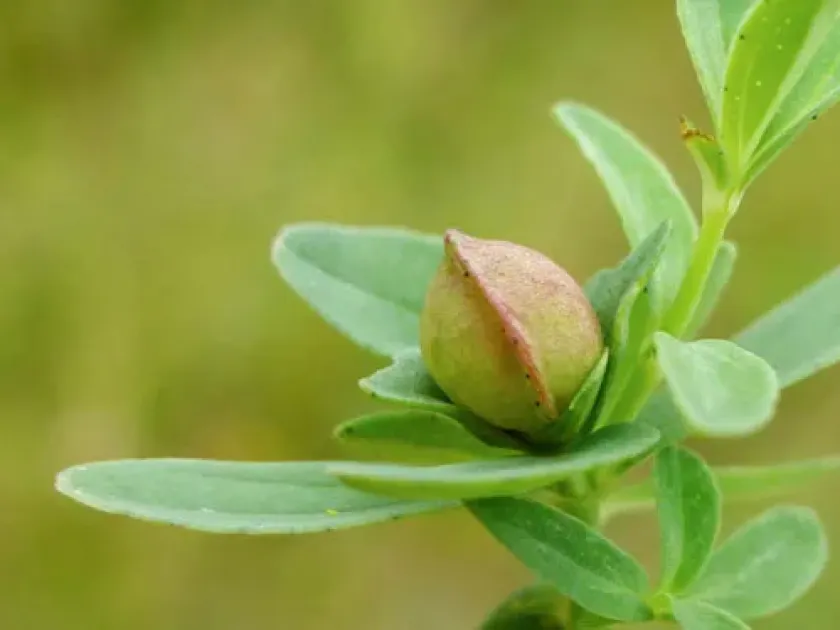
Systematically, this pest is a monophagous insect, meaning it is highly specialized and adapted to develop exclusively on plants of the genus Hypericum (St. John's wort). The larvae typically lack legs and possess a pale yellow or orange color, remaining concealed inside leaf galls.
Field identification is usually based on the characteristic deformations of leaves and stems rather than the observation of the insects themselves. Due to the microscopic size of the adult gall midges, they are extremely difficult to detect during standard crop monitoring.
The insect's life cycle is strictly synchronized with the phenology of the host plant, allowing it to efficiently utilize the host's resources. Overwintering usually occurs in the larval stage, either within damaged plant parts or in the soil, depending on local climatic conditions.
Interestingly, Zeuxidiplosis is sometimes utilized as a biological control agent against invasive weeds in certain regions, as it can significantly reduce the vegetative biomass of specific St. John's wort species.
What it damages
The primary host for this pest is the genus Hypericum, specifically Hypericum perforatum. The pest does not transition to other agricultural crops, which limits its overall economic impact to specific herbal or ornamental sectors.
In regions where St. John's wort is grown for pharmaceutical or ornamental purposes, this pest can pose a significant threat. The damage reduces both the quantity and the medicinal quality of the raw material collected for commercial use.
The larvae feed internally, inducing the plant to create pathological structures known as galls. This process forces the plant to divert its nutrients towards the development of the parasite, severely hindering the formation of healthy biomass.
During massive infestations, the growth of the plant is stunted, and the overall leaf area is reduced. This leads to a loss of commercial value and a decline in the concentration of beneficial secondary metabolites essential for herbal preparations.
- Damage to leaf blades and formation of tightly curled galls
- Stunted growth of lateral shoots
- Reduction in total biomass harvest
- Loss of aesthetic value for ornamental nurseries
Signs of infestation
The primary symptom of infestation is the development of galls on terminal shoots and young leaves. These appear as tightly curled, deformed leaf clusters that conceal the pest larvae inside the folds.
Visually, infested plants appear "curly" or distorted. Unlike viral infections, dissecting these curled leaves will reveal clusters of small, orange-colored larvae living within the protective gall environment.
During the flight period of adults, which coincides with the start of the growing season, minor movement of small dipteran insects around the terminal buds may be observed. However, this period is very brief and often goes unnoticed by field scouts.
By mid-season, the symptoms become more apparent as the damaged tops turn reddish or chlorotic, creating a stark contrast against the healthy, vibrant green parts of the plant canopy.
Advanced infestations lead to a total cessation of shoot elongation, resulting in an unnatural rosette-like appearance, which serves as a definitive indicator of high pest pressure within the crop field.
Control measures
The primary defense strategy involves crop rotation and meticulous removal of plant debris, where the pest resides during the winter. Removing damaged shoots before adult midges emerge helps significantly reduce the population for the next season.
Chemical control includes the application of systemic insecticides at the beginning of the growth stage. Applications must be timed precisely with the egg-laying period, as larvae become nearly inaccessible to contact chemicals once the protective galls are formed.
Biological control involves utilizing parasitoid wasps, which naturally regulate Zeuxidiplosis populations in the wild. Maintaining biodiversity around the plantation supports these natural predators, providing a sustainable way to keep pest numbers in check.
Agronomic practices that enhance plant immunity are also effective. Balanced fertilization and avoiding overcrowding in rows create less favorable conditions for the gall midges to spread between individual plants.
For industrial production, regular monitoring using yellow sticky traps is highly recommended. These tools help track the onset of adult flights, enabling growers to initiate timely control measures before the infestation becomes critical.
Taxonomy
- Latin name
- Zeuxidiplosis
- Order
- Diptera (flies)
- Family
- Cecidomyiidae
- EPPO code
- ZEXDSP
Discussion
No discussions yet — be the first.