
Zeugopterus
Zeugopterus
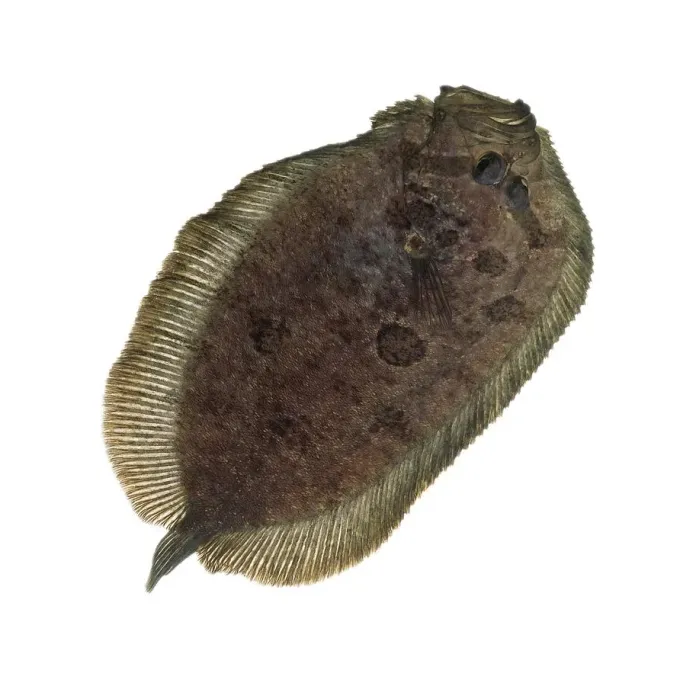
Description
How to identify
The genus Zeugopterus refers to a group of organisms biologically classified within the order Pleuronectiformes and the family Scophthalmidae. It is important to emphasize that these are marine fish, not terrestrial insects or crop pests.
These organisms are identified by their distinctive asymmetrical body shape, where both eyes are positioned on one side of the head, a feature classic for flatfish. This morphology is the primary diagnostic characteristic.
They possess a skin texture and pigmentation pattern that allows for high-level camouflage against sandy or rocky substrates, making them difficult to spot in their natural aquatic habitat.
The lifecycle includes a larval stage characterized by symmetrical anatomy, which gradually undergoes metamorphosis into the asymmetrical form seen in adults.
Proper scientific identification requires expertise in marine biology to distinguish members of this genus from similar flatfish species present in the same geographical range.
What it damages
The label of "plant pest" for Zeugopterus is taxonomically incorrect in any agricultural context. As a marine predator, this organism poses no threat to crops, vegetables, or agricultural plantations.
Potential economic impact is limited exclusively to aquaculture, where they may compete for resources or prey upon the fry of commercially valuable fish species if not managed correctly.
There is no evidence or biological possibility of these organisms damaging plant roots, foliage, or stems, as their physiology is entirely adapted to marine environments.
Any association between this genus and terrestrial plant damage is likely due to a confusion of terminology or a misinterpretation of taxonomic naming conventions.
Farmers and agronomists should not consider this organism a target for crop protection programs or the use of pesticides.
Control measures
Control measures for Zeugopterus are only relevant in aquaculture systems or water management infrastructure where their presence is undesirable.
Installation of specialized mesh screens and filtration systems at water intake points is the most effective way to prevent these organisms from entering confined water tanks.
Routine inspection of water circulation systems is recommended to maintain the integrity of commercial breeding operations.
Mechanical removal is the preferred method for population management, as chemical treatments are generally unsafe for aquatic ecosystems.
Always verify the identity of an organism through a professional laboratory if there is any doubt about its potential impact on agricultural infrastructure or irrigation water quality.
Taxonomy
- Latin name
- Zeugopterus
- Family
- Scophtalmidae
- EPPO code
- ZEUGSP
Discussion
No discussions yet — be the first.