
Yezabura annulata
Yezabura annulata
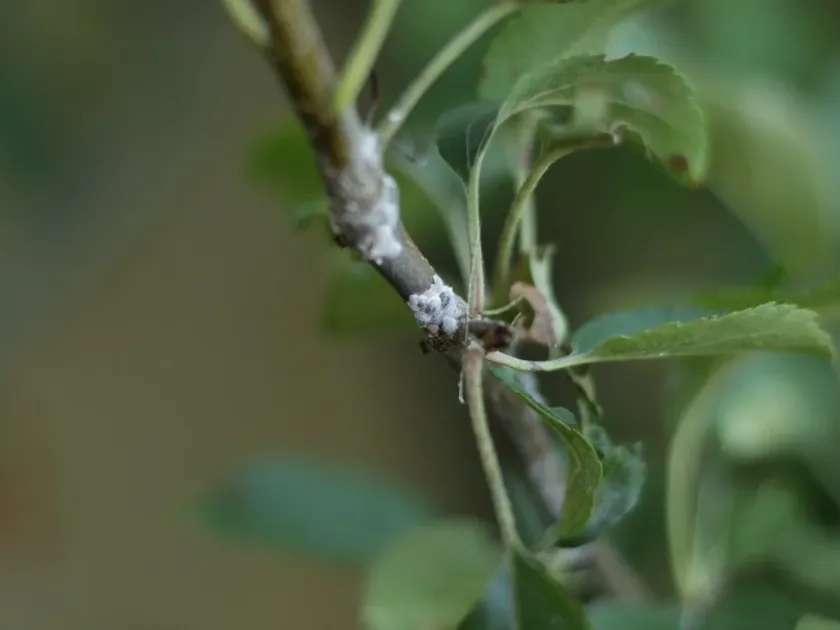
Description
How to identify
Yezabura annulata is a species of gall midge belonging to the family Cecidomyiidae within the order Diptera. These are tiny insects that are often overlooked until their impact on host plants becomes visually obvious.
The adult stage is a minute, gnat-like insect with delicate, hairy wings. The larvae, which are responsible for the damage, are typically elongated and yellowish or orange in color, adapted to live within plant tissues.
Their life cycle is highly dependent on the host plant's phenology. Favorable conditions, characterized by humidity and moderate temperatures, allow for rapid development and multiple generations during a single growing season.
Identification is mainly based on the observation of host plant pathology rather than the insects themselves. Understanding their life cycle is crucial for implementing timely monitoring and control strategies.
Because these midges are cryptic, they can quickly build up their population in nurseries and parks. Early detection is essential to prevent long-term structural damage to young, susceptible trees.
What it damages
This pest is known for causing pathological changes in various woody plants. The larvae feed on plant tissues, secreting enzymes that trigger an abnormal growth response in the host plant.
The primary symptom is the formation of galls — abnormal swelling or tissue structures that provide protection and food for the developing larvae, effectively redirecting the plant's resources.
Leaves affected by this midge often curl, twist, and show stunted growth. The loss of functional leaf area reduces the plant's photosynthetic capacity, causing overall weakening and stress.
Young trees suffer the most severe damage, as infestations can inhibit shoot elongation and cause structural deformities, leading to crooked trunks and poorly shaped tree crowns.
Repeated annual damage makes the host trees highly susceptible to secondary infections and opportunistic pathogens, as the plant's natural defenses are compromised by the constant stress.
When it appears
The life cycle begins in early spring when adult midges emerge to lay eggs on the newly formed buds. The timing is synchronized with the beginning of the growing season.
Larval activity peaks during the late spring and early summer. During this period, feeding is intensive, and the formation of visible galls on the foliage reaches its maximum rate.
Depending on climatic conditions, the midge can complete several generations throughout the summer months, allowing the population density to increase significantly in a short time.
As summer draws to a close, larval activity declines. The midges prepare for dormancy, either by descending into the soil or hiding under bark crevices for the winter period.
Understanding these seasonal patterns allows for more precise timing of control measures, targeting the most vulnerable stages of the pest's development during the growing season.
Signs of infestation
The most distinctive signs of infestation are the presence of galls—abnormal growths, rolling of leaf margins, or swelling on the leaves and young shoots that clearly deviate from normal plant morphology.
Infected branches may exhibit stunted growth or distorted shapes, such as curled leaves or thickened stems, which significantly reduce the aesthetic and functional value of the plant.
Premature leaf drop, even in well-irrigated plants, is a common indicator of a severe infestation. This occurs as the tree reacts to the damage by shedding the most severely affected leaves.
A closer inspection of the galls will often reveal the presence of larvae inside. The texture and color of the galls are typically specific to the activity of the midge within the tissue.
Necrotic spots or secondary fungal growth appearing on the deformed areas are also indirect signs, as the midge-damaged tissues become an easy entry point for other pathogens.
Control measures
The most effective cultural control is the manual removal and destruction of infested shoots. This significantly reduces the localized population and prevents further spread within the garden.
Good sanitation practices, including the removal of leaf litter in autumn and the light cultivation of the soil around the base of the trees, help disrupt the larvae's wintering sites.
For large-scale infestations, systemic insecticides may be applied. These products are taken up by the plant and reach the larvae inside the galls, making them highly effective when timed correctly.
Promoting natural biological control by providing habitats for predatory wasps and other insects that feed on gall midges can keep populations below the economic injury level in the long term.
Always ensure that applications of control agents coincide with the peak hatching times of the larvae, as this is the most critical window for reducing the next generation's impact.
Taxonomy
- Latin name
- Yezabura annulata
- Order
- Hemiptera (bugs, aphids, leafhoppers)
- Family
- Aphididae
- EPPO code
- YEZAAN
Discussion
No discussions yet — be the first.