
Rose aphid
Wahlgreniella ossiannilssoni
Description
How to identify
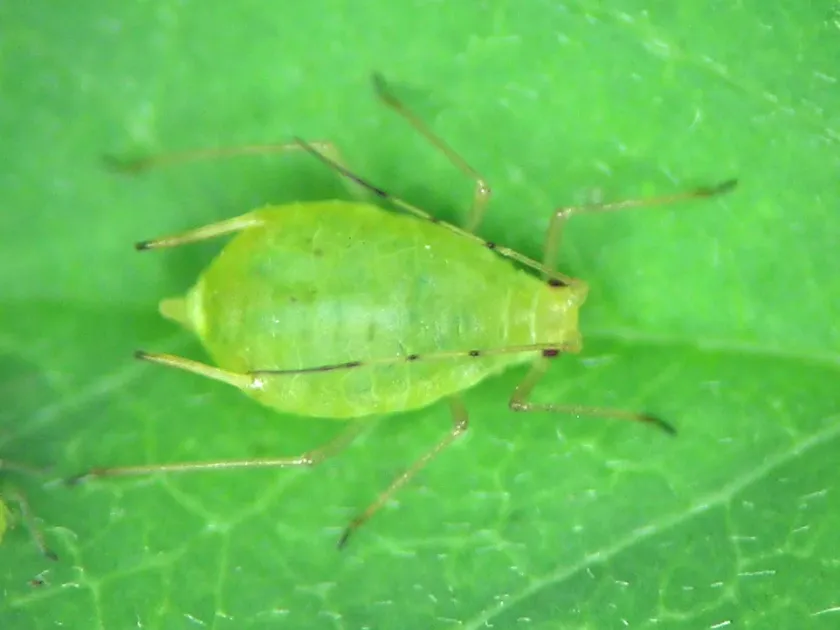
The rose aphid Wahlgreniella ossiannilssoni is a species of aphid in the family Aphididae that specifically targets plants in the Rosaceae family, particularly wild and cultivated roses.
These insects are small, typically pale green or yellowish in color, which allows them to camouflage perfectly against the soft tissues of the host plants.
They reproduce through parthenogenesis, allowing populations to grow explosively during favorable weather conditions, usually in late spring and early summer.
Both apterous (wingless) and alate (winged) forms exist; the latter are essential for spreading the colony to new shoots and nearby plants.
Winter survival is typically achieved through eggs deposited near dormant buds, ensuring the colony resumes feeding as soon as growth begins in spring.
What it damages
The primary hosts are roses and rose hips, where the insects gather in large numbers to pierce plant tissues and suck sap.
Feeding focuses on the most nutrient-rich parts of the plant: terminal shoots, developing flower buds, and young, tender foliage.
The loss of sap causes the plant to lose vitality, leading to reduced flower production, stunted shoots, and weakened overall vigor.
Heavy infestations can cause irreversible deformities to flower buds, often preventing them from opening properly or resulting in malformed blooms.
By weakening the plant, these aphids also create openings for secondary infections and make the rose bushes more susceptible to drought or disease.
Signs of infestation
Curling of the top leaves is one of the most obvious signs, as aphids prefer the shelter and moisture provided by the rolled leaf tissue.
Honeydew, a sticky substance excreted by the aphids, accumulates on leaves and stems, often leading to the growth of unsightly sooty mold.
The presence of ants patrolling the stems is a strong indicator of an aphid colony, as ants cultivate aphids to feed on their sugary honeydew secretions.
Yellowing of foliage and premature leaf drop occur as the plant's metabolic processes are severely disrupted by the loss of essential nutrients.
Visible colonies clustered around the base of buds or along the undersides of leaves confirm an active infestation that requires attention.
Control measures
Early detection through regular inspection is key to managing populations before they reach threshold levels that cause significant harm.
Encouraging natural predators such as ladybugs, lacewings, and hoverflies can provide effective biological suppression of aphid numbers in the garden.
Systemic insecticides are often required for established infestations, as they are translocated within the plant to target the feeding insects directly.
It is vital to rotate different chemical classes of pesticides to prevent the development of insecticide resistance within the aphid population.
- Washing aphids off with a strong stream of water for small, localized outbreaks.
- Using insecticidal soaps or neem oil as a less toxic alternative for early-stage control.
- Maintaining proper cultural practices to keep plants healthy and resilient against environmental stressors.
Taxonomy
- Latin name
- Wahlgreniella ossiannilssoni
- Order
- Hemiptera (bugs, aphids, leafhoppers)
- Family
- Aphididae
- EPPO code
- WAHLOS
Discussion
No discussions yet — be the first.