
Wachtliella
Wachtliella
Description
How to identify
Wachtliella is a genus of gall midges belonging to the family Cecidomyiidae in the order Diptera. These are tiny, delicate flies that are primarily recognized by their ability to induce the formation of galls, which are abnormal growths on host plants.
The most significant species in this genus is the rose leaf midge, Wachtliella rosarum. The adult stage of this insect is short-lived, with a focus on mating and egg-laying, and their physical appearance is consistent with other gall-forming midges.
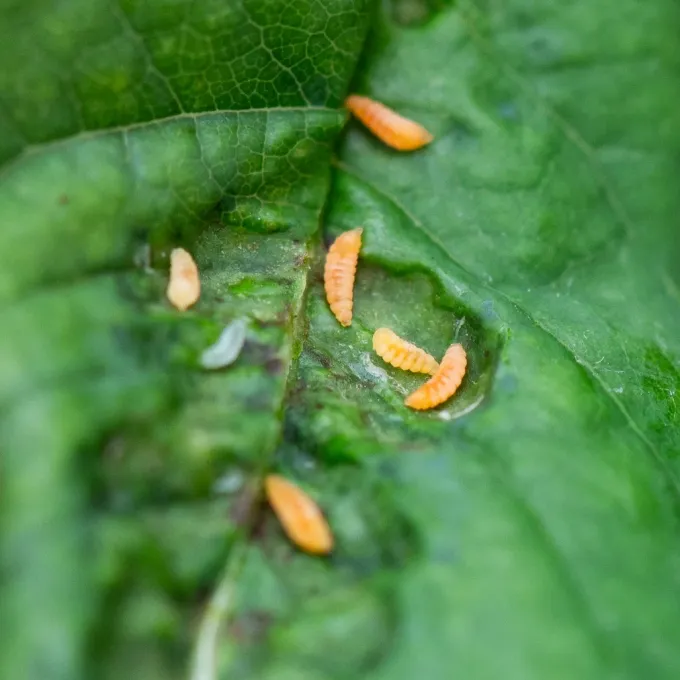
The larvae, which are the primary destructive stage, are apodous (legless) and exhibit a cylindrical or spindle-shaped body. They are typically yellow or orange, making them small but noticeable if one opens a gall.
The life cycle involves complete metamorphosis, consisting of egg, larva, pupa, and adult stages. The pupal stage is often spent in the soil or protected leaf litter, which helps the species survive unfavorable environmental conditions.
Identification is most often achieved by observing the symptoms on the host plant rather than the insect itself. Because of their small size and cryptic behavior, they often go unnoticed until the characteristic plant deformations appear.
What it damages
Wachtliella primarily affects plants in the Rosaceae family, most notably garden roses and wild rose species. The larvae feed on the juices of young, developing leaf tissues, causing significant structural changes.
As the larvae feed, they secrete substances that interfere with the plant's growth hormones. This physiological manipulation causes the leaf margins to roll tightly inward, creating a protective tube or gall structure for the larvae.
These deformed leaves are unable to function efficiently in photosynthesis, which severely impacts the plant's energy production. Heavy infestations can cause premature leaf drop and lead to stunted growth of new shoots.
Weakened plants are far more susceptible to opportunistic fungal infections. The compromised tissue within the galls creates an ideal environment for secondary pathogens, further damaging the aesthetic and physiological state of the rose bush.
In ornamental horticulture, this pest poses a significant challenge as it renders roses unsightly. For commercial growers, the aesthetic damage directly correlates to a loss in market value and quality.
When it appears
The first generation emerges in spring, coinciding with the initial flush of new growth on rose bushes. Adult females lay their eggs directly into the folds of developing leaves.
Multiple generations can occur throughout the growing season depending on the climate. The development cycle from egg to adult is relatively short, allowing for rapid population increases during favorable weather.
The peak activity typically occurs in late spring and early summer when the demand for new leaf tissue by the plant is highest. Mid-season monitoring is crucial for detecting early signs of infestation.
As autumn approaches, the final generation of larvae leaves the galls to pupate in the soil or under debris. This stage serves as the overwintering phase, ensuring the species survives until the following spring.
Environmental factors, such as temperature and moisture, play a vital role in the timing of the emergence. Warmer springs generally lead to an earlier start of the pest life cycle, requiring timely management.
Signs of infestation
The most prominent sign of Wachtliella presence is the curling and rolling of leaf margins along the midrib. These galls are distinct and usually appear on the youngest leaves of the shoot.
- Tight rolling or curling of young leaf edges.
- Discoloration of the affected leaf margins, often turning yellow or red.
- Presence of small orange larvae inside the curled-up leaf structure.
- Stunted development of the affected shoots or buds.
- Premature yellowing and abscission of severely infested leaves.
Upon careful inspection of the rolled leaves, the larvae are typically visible. These structures are impossible to unroll without tearing the tissue, which distinguishes them from simple wilting caused by water stress.
If the infestation is widespread, the tops of the rose shoots will appear deformed or "curly." This significantly detracts from the health and visual quality of the plant, often causing the shoot tips to stop elongating.
Control measures
Manual removal of galled leaves is a highly effective control measure for smaller gardens. By picking off and destroying the infested parts, one can physically reduce the number of larvae and slow down the spread.
Cultural practices, such as diligent autumn cleanup of fallen leaves and light tilling of the soil around the bushes, help disrupt the pupation cycle of the midge, significantly reducing the overwintering population.
For chemical control, systemic insecticides are the most effective. These products are absorbed by the plant and reach the larvae inside the protected galls, providing protection where contact sprays cannot reach.
Applications should be timed to coincide with the early growth phase and the appearance of the first generation of adults. Regular monitoring and repeated applications may be necessary if the infestation pressure remains high.
Maintaining strong, vigorous plants through proper irrigation and balanced fertilization helps them tolerate infestations. A healthy plant can recover more quickly and minimize the impact of the pest on its overall structure.
Taxonomy
- Latin name
- Wachtliella
- Order
- Diptera (flies)
- Family
- Cecidomyiidae
- EPPO code
- WACHSP
Discussion
No discussions yet — be the first.