
Viviparus
Viviparus
Description
How to identify
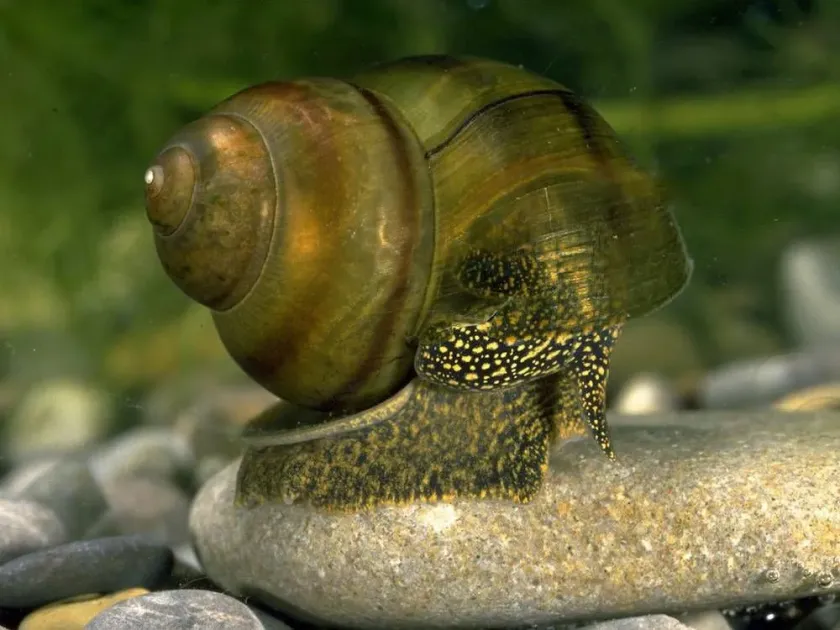
Viviparus, commonly known as river snails, belongs to the family Viviparidae. These freshwater gastropods are characterized by their conical, green-to-brown shells, which can grow up to 40–50 mm in length and feature distinct whorls.
A unique biological feature of this genus is ovoviviparity. Unlike many other snails, Viviparus females give birth to fully developed, miniature juveniles rather than laying eggs, ensuring a high survival rate for the offspring.
The snails are equipped with a horny operculum (a "trapdoor") that seals the shell opening, providing excellent protection against environmental stress, temporary drought, or extreme temperature shifts.
They typically inhabit calm waters with soft, muddy, or sandy bottoms, where they thrive by filtering organic matter. Taxonomically, they are classified under the order Architaenioglossa.
While often viewed as ecological cleaners, their ability to reproduce rapidly in nutrient-rich conditions can lead to population spikes, requiring careful management in commercial aquaculture or aquatic plant production.
What it damages
Viviparus snails are primarily detritivores. They feed on decaying plant matter, algae, and organic debris found on the substrate, performing an essential role in decomposing organic waste within water systems.
Direct damage to healthy, mature crops is rare. However, in high-density populations, they may scrape the epidermis of young, tender plant shoots to feed on microorganisms, potentially weakening the plants and facilitating secondary infections.
Indirect damage occurs because these snails serve as intermediate hosts for various trematode parasites. These parasites can infect fish and other livestock, creating significant veterinary challenges in pond-based farming.
In intensive aquaponic or hydroponic systems, an overabundance of snails can increase the accumulation of mucus and metabolic waste, which alters water chemistry and negatively affects the growth of sensitive plants.
Excessive populations may also cause oxygen depletion at night, as the biomass of the snails contributes to the overall biological oxygen demand of the water, straining the environment for other species.
When it appears
Activity typically begins in spring when water temperatures rise above 10–12 degrees Celsius. During the summer months, the metabolic rate increases, leading to the peak reproductive phase for the colony.
As temperatures drop in autumn, the snails retreat to deeper parts of the pond or bury themselves in the substrate. Their metabolism slows down significantly, allowing them to survive the winter in a state of dormancy.
Wintering occurs on the pond floor, where they can survive even in conditions with low oxygen levels. With the first signs of spring warming, they emerge and resume their foraging activities.
The reproductive cycle is continuous throughout the warm season, as females release batches of juveniles over time, ensuring a constant presence of various age groups within the aquatic environment.
For agricultural management, it is crucial to monitor population levels early in the season to prevent the buildup of a dense colony before young crop plants reach their most vulnerable stage.
Signs of infestation
The most obvious sign of their presence is the visual identification of their conical shells on the pond bottom or attached to submerged vegetation. Clumping in muddy areas is a strong indicator of high density.
Physical damage to plants appears as small scrape marks or trails on stems located underwater. These superficial wounds often become sites for opportunistic bacterial growth, leading to tissue chlorosis.
The presence of small, dark granular feces on the surface of leaves is a clear indicator of snail activity. If the concentration is high, this layer can inhibit photosynthesis in aquatic crops.
Cloudy water accompanied by a distinct, earthy smell of decomposing organic matter is a sign that the snail population may have exceeded the ecosystem's carrying capacity.
Reduced fish activity near the substrate may also suggest an overpopulation of snails, as the thick layer of snail mucus can alter the taste and chemical composition of the water near the bottom.
Control measures
Mechanical removal is the most practical solution for small-scale operations. Hand-picking the snails and cleaning the bottom of accumulated organic debris effectively reduces their numbers without chemicals.
Biological control methods involve introducing mollusk-eating fish species, such as black carp, into the ecosystem. These fish are highly effective at maintaining snail populations at manageable levels.
Agrotechnical practices include periodically draining ponds or water channels. A few days of exposure to air and desiccation can significantly reduce the snail population, as they cannot survive prolonged drought.
Chemical molluscicides should be used as a last resort, as they pose risks to other aquatic life and may harm the crops being cultivated. Strict safety regulations must be followed if chemical use is necessary.
Maintaining high water quality through regular sediment removal and water flow prevents the buildup of organic matter, which in turn limits the food supply and prevents the overpopulation of river snails.
Taxonomy
- Latin name
- Viviparus
- Order
- Molluscs
- Family
- Viviparidae
- EPPO code
- VIVISP
Discussion
No discussions yet — be the first.