
Vitisiella
Vitisiella
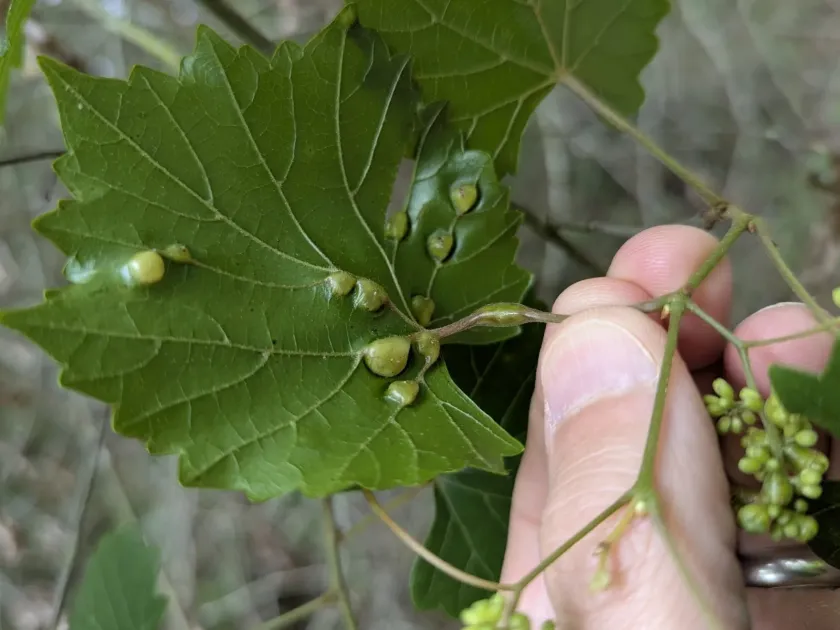
Description
How to identify
Vitisiella is a genus of insects belonging to the Cicadellidae family, commonly known as leafhoppers. These insects are small, highly mobile, and possess specialized mouthparts designed for piercing and sucking plant sap.
Adult specimens are typically characterized by a wedge-shaped body, which allows them to jump rapidly or fly when disturbed. Their coloration often mimics the foliage or bark of the host plant, providing natural camouflage against predators.
The life cycle includes egg, nymph, and adult stages. Nymphs, which resemble smaller versions of adults, are wingless and reside primarily on the underside of leaves, congregating along the major leaf veins.
Systematically, this group is recognized as a significant pest in viticulture due to its high reproductive potential and ability to colonize large areas of vineyards rapidly.
Monitoring efforts usually involve the deployment of yellow sticky traps, which are effective in capturing adults and assessing the population density at various points across the vineyard.
What it damages
The primary hosts of Vitisiella are grapevines (genus Vitis). By feeding on phloem sap, these insects deprive the plant of vital nutrients, leading to reduced vigor and stunted overall growth.
Feeding damage manifests as chlorotic stippling or spotting on the leaves. As the infestation progresses, these spots coalesce, severely impeding the photosynthetic capacity of the grapevine.
Significant damage occurs when high populations cause premature defoliation. This effect disrupts the ripening process of grape clusters, leading to lower sugar accumulation and diminished yield quality.
Weakened vines exhibit reduced cold hardiness, making them more susceptible to winter damage and increasing the risk of vine mortality in colder growing regions.
In addition to direct feeding, Vitisiella can act as a vector for various plant pathogens, potentially spreading diseases that further compromise the health and productivity of the vineyard.
When it appears
Vitisiella activity is highly dependent on ambient temperature and the phenological development of the grapevine. Emergence typically begins in early spring, following the budburst phase.
Summer months, characterized by higher temperatures, are critical periods for population growth. Multiple generations can develop within a single season, leading to potential outbreaks in mid-summer.
As autumn approaches, the insects prepare for winter diapause. Overwintering often occurs in the form of eggs laid within the crevices of the vine bark or in debris on the vineyard floor.
Warm, dry weather conditions provide an ideal environment for rapid reproduction, often resulting in a notable surge in leafhopper activity during these periods.
Agronomists emphasize the importance of regular scouting during the early stages of the growing season to prevent large-scale infestations before they reach critical levels.
Signs of infestation
The most recognizable sign of an infestation is the appearance of light-colored, mottled patterns on the upper surface of the leaves. This stippling is a direct result of tissue death in areas where insects have fed.
The presence of honeydew, a sticky substance excreted by the insects, often covers the leaves and green shoots. This substance serves as a substrate for sooty mold growth, turning the foliage black.
Torn or curled leaf margins, along with a general lack of luster in the leaves, are secondary signs indicating significant sap depletion.
Upon closer inspection of the underside of leaves, one may find exuviae (discarded skins), which serve as clear evidence of the insect's life cycle and current population activity.
- Chlorotic stippling on leaf surfaces.
- Sticky honeydew residues on leaves and stems.
- Presence of sooty mold fungus on infested parts.
- Increased jumping activity upon shaking vine branches.
Control measures
Integrated Pest Management (IPM) is essential for controlling Vitisiella. Cultural practices, such as removing vine debris and managing cover crops, help reduce overwintering sites.
Biological control involves maintaining a diverse ecosystem that supports natural predators like lacewings, lady beetles, and parasitic wasps, which can naturally regulate leafhopper populations.
Chemical control should be implemented judiciously, focusing on systemic insecticides applied only when population thresholds are exceeded to minimize the impact on beneficial insects.
Rotating insecticides with different modes of action is crucial to prevent the development of resistance within the Vitisiella population, ensuring the long-term effectiveness of control measures.
Systematic monitoring allows for the precise timing of applications, ensuring that treatments are effective against the most vulnerable nymphal stages while preserving the overall balance of the vineyard ecosystem.
Taxonomy
- Latin name
- Vitisiella
- Order
- Diptera (flies)
- Family
- Cecidomyiidae
- EPPO code
- VITISP
Discussion
No discussions yet — be the first.