
Vaejovis
Vaejovis
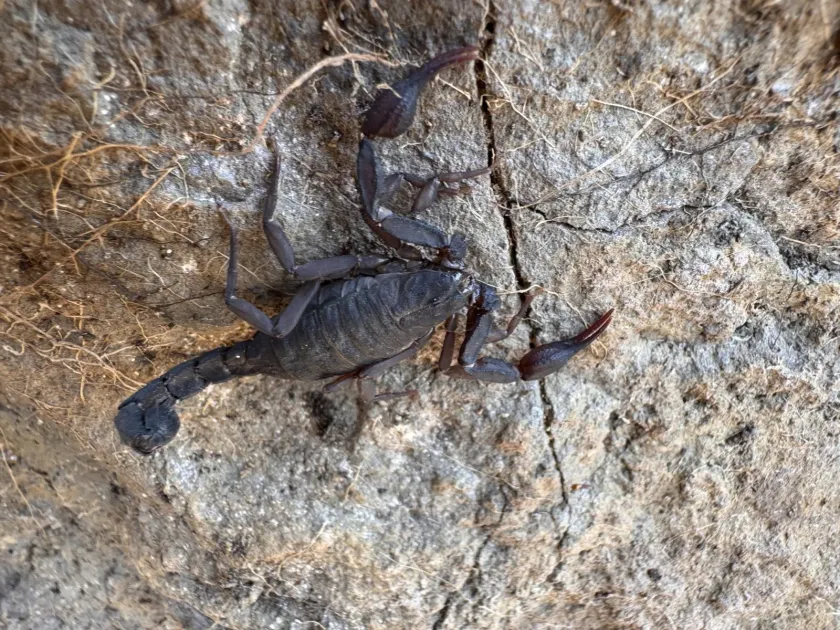
Description
How to identify
Vaejovis is a genus of scorpions in the family Vaejovidae, which is characterized by a segmented body and a pair of pincers.
They possess a stinging apparatus at the end of their tail, which they use to subdue prey by injecting venom.
Their physical appearance usually includes a color palette ranging from tan to dark brown, aiding in camouflage within soil environments.
These arachnids are generally small to medium-sized, typically measuring between two to five centimeters in length.
They have a chitinous exoskeleton that protects them from environmental stressors while allowing for agility in their hunting behavior.
What it damages
It is crucial to state that Vaejovis scorpions are not pests of agricultural crops, as they do not feed on plant material.
They are strictly predatory organisms that hunt small insects, larvae, and other invertebrates found in the soil layer.
Their presence on a field does not result in yield loss, damaged vegetation, or reduced quality of agricultural output.
Instead, they contribute to the ecosystem by acting as natural predators of various soil-dwelling insects that can be harmful.
Agricultural damage from this genus is non-existent, making them neutral or even beneficial inhabitants of a field.
When it appears
Vaejovis scorpions are primarily active during the warmer months, as they are ectothermic organisms requiring heat for metabolic processes.
They exhibit nocturnal behavior, spending the daylight hours in burrows or under surface debris to avoid extreme desiccation.
During the spring and summer, their activity levels peak in response to the abundance of available prey in the topsoil.
When the temperature drops or soil moisture levels decrease significantly, they retreat into deeper soil strata to hibernate.
Seasonal migration is minimal, with these scorpions staying within areas that provide sufficient cover and food sources.
Signs of infestation
There are no diagnostic signs of crop infestation, as these organisms do not interact with or consume any part of the plants.
Finding a Vaejovis scorpion is usually a random event, often occurring during soil cultivation or field preparation tasks.
Their presence does not manifest through leaf lesions, root damage, or any other signs typically associated with crop pests.
The occasional sighting simply indicates that the local soil ecosystem is diverse enough to support predatory arachnids.
No scouting protocols are necessary for this species, as they are not a target for agricultural monitoring programs.
Control measures
There are no specific control measures required for Vaejovis, as they do not pose any economic threat to agricultural production.
The use of pesticides to eradicate them is counterproductive and environmentally unnecessary due to their neutral or beneficial status.
Maintaining agricultural biodiversity is a better strategy, as these predators assist in regulating other potential pest populations.
In cases where their presence causes concern for field workers, removing surface debris and clutter is sufficient to reduce their local numbers.
Chemical control is strictly discouraged, as it would likely kill other beneficial organisms that actually contribute to crop protection.
Taxonomy
- Latin name
- Vaejovis
- Family
- Vaejovidae
- EPPO code
- VEJOSP
Discussion
No discussions yet — be the first.