
Uncinaria
Uncinaria
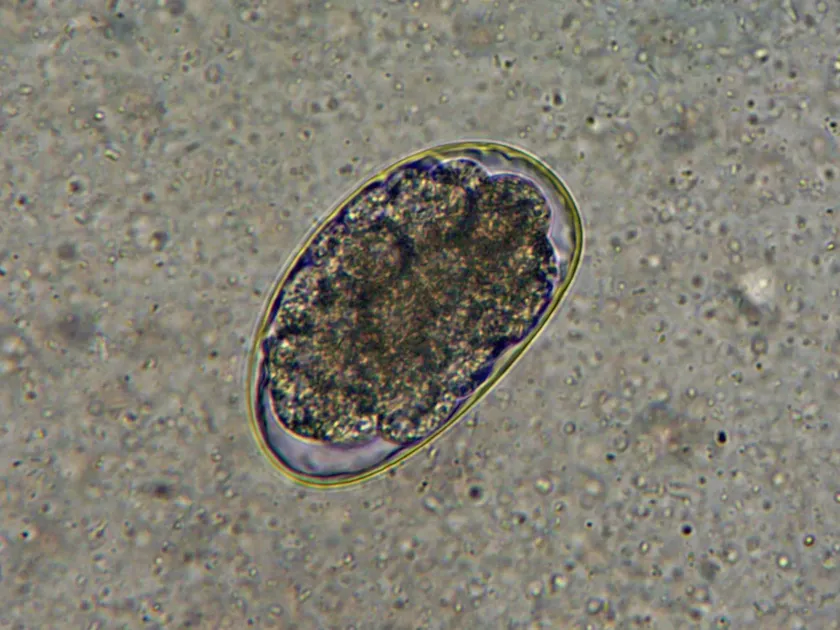
Description
How to identify
The genus Uncinaria refers to a group of parasitic nematodes. While primarily recognized in veterinary science, in specific agricultural contexts, this term is associated with microscopic soil-borne nematodes that target the root systems of various crops.
These pests are microscopic, measuring roughly 0.5 to 2 millimeters in length. Because they are transparent and reside within the soil matrix or root tissues, they are impossible to detect without specialized laboratory equipment.
Accurate identification involves collecting soil and root samples. Agronomists perform nematode extraction and use high-magnification microscopy to identify specific morphological traits, such as the shape of the head and tail structure.
The biology of these organisms is heavily dependent on soil moisture. They navigate through water films around soil particles, which is essential for their ability to locate root hairs and successfully infiltrate host tissues.
The life cycle consists of several larval stages. The speed of development and the intensity of reproduction are strictly controlled by soil temperature and moisture levels, making these factors critical for predicting outbreaks.
What it damages
These parasites inflict damage by feeding on the sap of root tissues. As they penetrate the root surface, they inject enzymes that degrade plant cells, significantly disrupting the plant's ability to absorb water and minerals.
Even with optimal fertilization, plants infested with these nematodes exhibit symptoms of severe nutrient deficiency. This results in stunted growth, yellowing foliage, and a significant reduction in overall biomass production during the vegetative stage.
The entry points created by the nematodes serve as secondary infection sites. Pathogenic bacteria and soil fungi often enter these wounds, causing severe root rot, which may lead to the total collapse of the plant's root system.
The economic impact includes reduced crop yields, poor product quality, and loss of harvest uniformity. In severe infestations, farmers may witness complete crop failure within specific parts of the field.
The severity of the damage is typically correlated with the population density of the nematode in the soil, which tends to accumulate if continuous monocropping practices are employed over several seasons.
Signs of infestation
The most common symptom is plant wilting during the hottest part of the day, with partial recovery occurring during cooler evening hours. Over time, this wilting becomes permanent as the root system fails completely.
Upon inspecting the roots, one may observe swelling, galls, or deformed tissue. The root system often appears sparse, with a lack of fine lateral roots, which are essential for nutrient uptake.
Infected plants display a chlorotic appearance. This yellowing is a direct result of the impaired vascular system, which limits the flow of essential minerals and water to the upper parts of the plant.
Field infestations often present as irregular patches of sickly, slow-growing plants. These patches expand over time if no management practices are implemented to contain the spread.
In greenhouse environments, the signs of infestation are often accelerated by consistent warmth and moisture, leading to a rapid decline in plant health and output within a very short timeframe.
Control measures
Crop rotation is the most effective management strategy. By alternating crops that are not susceptible to these specific nematodes, farmers can effectively "starve" the pest population and reduce its density in the soil.
Cultural control practices include deep plowing and field sanitation. Removing infested plant residues and managing weeds that serve as alternative hosts are vital steps to break the life cycle of the parasite.
Biological control, such as using fungi-based biopesticides, can help suppress nematode populations. Encouraging a diverse soil microbiome promotes natural competition, keeping harmful nematode numbers in check.
The use of resistant cultivars provides a long-term solution. Breeding programs focused on genetic resistance to nematode penetration have become a cornerstone of modern sustainable farming.
- Conducting regular soil diagnostic testing before planting
- Using nematode-suppressive green manure crops
- Cleaning farm machinery to prevent soil contamination between fields
- Implementing precision irrigation to avoid waterlogged soil conditions
- Applying professional nematicides only as a last resort
Taxonomy
- Latin name
- Uncinaria
- Order
- Nematodes
- Family
- Ancylostomatidae
- EPPO code
- UNCNSP
Discussion
No discussions yet — be the first.