
Cat hookworm
Ancylostoma tubaeforme
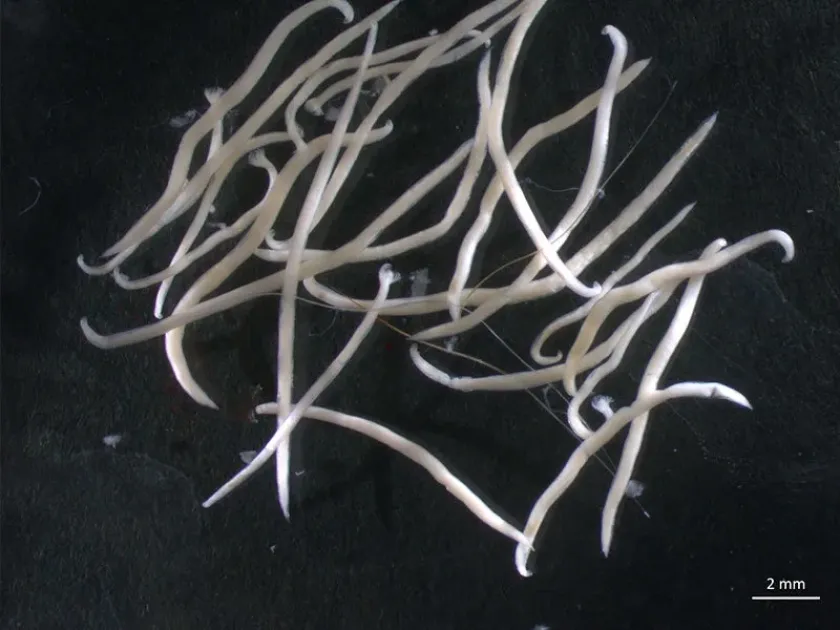
Description
How to identify
Ancylostoma tubaeforme is a species of parasitic nematode belonging to the family Ancylostomatidae, specifically adapted to feline hosts.
These small worms are characterized by a prominent buccal capsule equipped with sharp teeth, allowing them to anchor firmly into the host's intestinal mucosa.
The life cycle involves eggs being shed in feces, which hatch into larvae in the environment, eventually becoming infective L3 larvae in the soil.
Microscopic examination of fecal samples reveals characteristic oval eggs with thin shells, which are the primary diagnostic finding for this infestation.
The morphology of these nematodes is distinct from other species, requiring careful identification through the analysis of the copulatory bursa in males.
What it damages
The parasite primarily infects domestic and wild cats, causing significant pathological changes within the digestive tract due to its blood-feeding behavior.
Infection is typically acquired via the ingestion of infective larvae or through the percutaneous route, where larvae penetrate the host's skin.
Once inside the host, the worms migrate to the small intestine, where they cause tissue damage and secrete anticoagulants to maintain blood flow.
This feeding activity leads to iron-deficiency anemia, which is the most critical physiological impact of a heavy hookworm burden in feline populations.
Besides affecting animal health, the larvae can cause cutaneous larva migrans in humans, posing a zoonotic risk in poorly managed environments.
Signs of infestation
Clinical manifestations include severe lethargy, pale gums, and poor coat condition resulting from chronic blood loss and nutrient deficiency.
Gastrointestinal distress is common, often presenting as chronic diarrhea, sometimes containing dark or bloody stools indicative of upper GI tract involvement.
Dermal signs, such as erythema and irritation, may occur at the site of larval penetration if the animal was infected through direct skin contact.
Young cats and kittens are particularly susceptible to stunted growth and failure to thrive, which are hallmark indicators of early-stage parasitic load.
Weight loss is frequently observed despite a normal appetite, as the parasite consumes the nutrients before the host can absorb them effectively.
Control measures
Effective management requires regular administration of anthelmintic medications, such as emodepside or moxidectin, as prescribed by a veterinarian.
Environmental control is essential, including the prompt removal of cat feces and keeping litter boxes clean to break the parasite's development cycle.
Sanitation practices such as cleaning and disinfecting surfaces frequented by pets significantly reduce the environmental pressure of infective larvae.
Routine veterinary screening is recommended to detect subclinical infestations early, ensuring that appropriate treatment can be initiated promptly.
Preventative programs, such as monthly parasite control products, are the most effective strategy to keep feline populations free from hookworm infection.
Taxonomy
- Latin name
- Ancylostoma tubaeforme
- Order
- Nematodes
- Family
- Ancylostomatidae
- EPPO code
- ANCTTU
Discussion
No discussions yet — be the first.