
Citrus nematode
Tylenchulus
Description
How to identify
The citrus nematode (Tylenchulus semipenetrans) belongs to the order Tylenchida and the family Tylenchulidae. It is a microscopic roundworm that significantly affects citrus production worldwide.
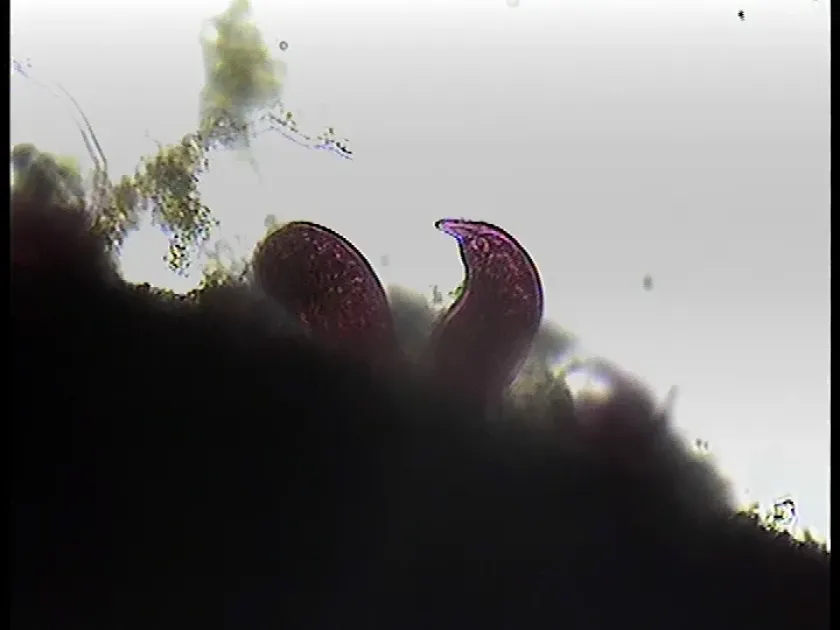
The adult female is sedentary; it embeds the anterior part of its body into the root cortex, while the posterior portion remains outside, releasing eggs into a gelatinous matrix.
In contrast, adult males are vermiform and motile. They do not feed on roots as their stylets are degenerate, focusing entirely on reproduction after molting from the larval stage.
The second-stage juveniles (J2) are the primary invasive form. They move through soil water films to find and penetrate the young roots of host plants.
These nematodes thrive in temperatures ranging from 20°C to 30°C. Their life cycle typically spans 6 to 8 weeks, depending on environmental and soil conditions.
What it damages
The primary host is citrus, but other hosts include olive, persimmon, and certain varieties of grapevine, making it a threat to diverse horticultural crops.
The nematode extracts nutrients from the cortical cells, leading to a disruption in the water and nutrient transport system of the host plant.
The root system becomes severely compromised. The gelatinous egg masses bind soil particles, giving the roots a characteristic dirty, matted appearance.
This parasitic activity facilitates secondary infections from soil-borne fungi and bacteria, leading to further decay and root damage in the plantation.
Continued infestation results in reduced tree vigor, foliage chlorosis, stunted fruit size, and a significant decrease in the overall economic yield of the grove.
Signs of infestation
Above-ground symptoms often manifest as a slow decline. Leaves become chlorotic, smaller than usual, and may drop prematurely due to nutrient deficiencies.
Trees exhibit reduced vegetative growth, thin canopies, and branch dieback at the tips, often referred to as a "slow decline" or "slow wilting" syndrome.
Fruits are often smaller in diameter and lower in juice content, failing to meet the quality standards required for the fresh market or processing.
Root systems show stunted growth and lack the healthy white root hairs necessary for water uptake, appearing thickened and damaged upon closer inspection.
Field diagnosis is confirmed by laboratory soil and root sampling, identifying the specific density of nematodes per gram of root material.
Control measures
Preventative measures are the most critical, beginning with the use of certified, nematode-free nursery stock to ensure the orchard starts clean.
Soil fumigation prior to planting is a standard practice in highly infested areas to reduce the initial nematode population density to safe levels.
Maintaining proper tree nutrition and irrigation helps trees tolerate nematode pressure by encouraging the development of secondary healthy roots.
Integrated Pest Management (IPM) incorporates the use of biological control agents, such as specific fungi or bacteria, to suppress nematode population growth.
Regular monitoring of soil health and nematode counts allows for timely interventions, preventing the spread of the pest to uninfested parts of the orchard.
Taxonomy
- Latin name
- Tylenchulus
- Order
- Nematodes
- Family
- Tylenchulidae
- EPPO code
- TYLESP
Discussion
No discussions yet — be the first.