
Sphaeronema
Sphaeronema
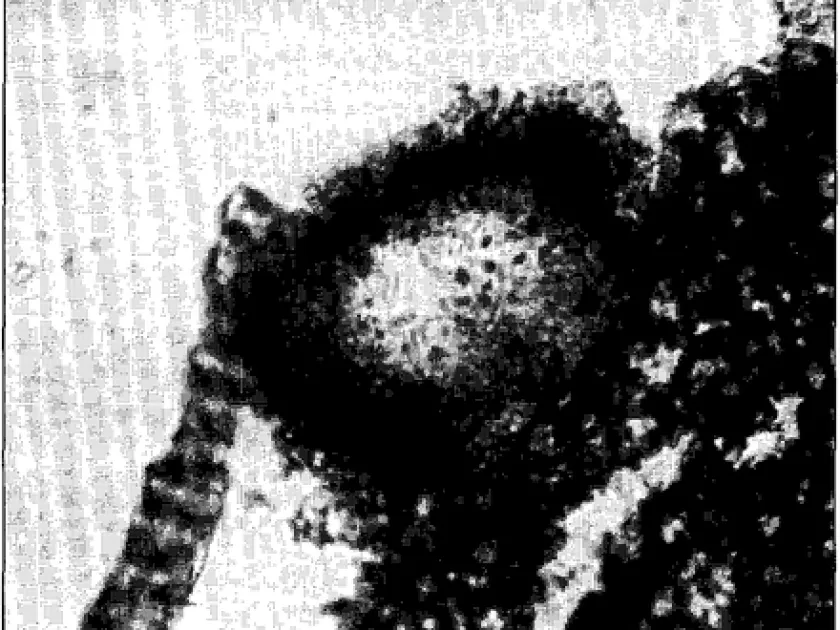
Description
How to identify
Sphaeronema is a genus of plant-parasitic nematodes belonging to the order Tylenchida and the family Sphaeronematidae. These microscopic organisms are known for their distinct morphology, particularly the pear-shaped or spherical bodies of adult females.
These nematodes lead a sedentary life, remaining attached to the surface of host plant roots. They use a specialized stylet to penetrate the root tissue and feed on plant cell contents.
The life cycle involves egg, larval, and adult stages. Males are typically vermiform and non-feeding, focusing entirely on finding sedentary females for reproduction.
They are specialized parasites often found in perennial orchards and nurseries, where they can survive on the root systems of the same host plants for many years.
Accurate identification requires laboratory processing of soil samples and root pieces, often utilizing the Baermann funnel technique to extract the nematodes for microscopic examination.
What it damages
Sphaeronema primarily targets woody trees and shrubs, including various fruit-bearing species. Their presence in intensive agriculture can lead to significant cumulative damage over several seasons.
By feeding on roots, these nematodes drain the plant of vital nutrients, leading to stunted growth, reduced vigor, and a general decline in the health of the host plant.
The feeding sites created by the nematodes often serve as entry points for secondary pathogens, such as soil-borne fungi and bacteria, which exacerbate root damage.
In orchards, heavy infestations can result in reduced fruit set and quality, making the trees less productive and potentially causing premature tree death.
Young plants or seedlings are particularly susceptible; if they are planted in infested soil, the nematodes can severely impair root establishment, leading to poor survival rates.
Signs of infestation
The most common symptom of a Sphaeronema infestation is the uneven growth pattern in an orchard, where affected plants appear much smaller than their healthy counterparts.
Foliar chlorosis, thinning of the canopy, and premature leaf drop are frequent indicators that the root system is failing to uptake water and essential minerals efficiently.
When examining the root system, one may find poor development of fine roots and necrotic lesions where the nematodes have been actively feeding.
As the infection progresses, the trees may exhibit signs of drought stress even when soil moisture levels are adequate, as the damaged roots lose their functional capacity.
- Stunted shoot elongation.
- Persistent yellowing (chlorosis) of leaves.
- Low yield and poor fruit size.
- Increased sensitivity to environmental stresses.
Control measures
Effective control starts with using certified, nematode-free planting stock to ensure that the orchard remains free from infestation from the very beginning.
A comprehensive approach to soil health, including the use of organic amendments and compost, can help promote a diverse soil microflora that suppresses nematode activity.
In cases of severe infestation, chemical nematicides may be employed; however, these must be used according to local regulations and safety guidelines to protect the environment.
Crop rotation and keeping fields fallow or using non-host cover crops can significantly reduce the nematode population density in the soil before new plantings.
Regular monitoring of root systems and quick sanitation—removing and disposing of heavily infected plants—are vital practices for managing and containing the spread of this pest.
Taxonomy
- Latin name
- Sphaeronema
- Order
- Nematodes
- Family
- Tylenchulidae
- EPPO code
- SFAESP
Discussion
No discussions yet — be the first.