
Brassica pod midge
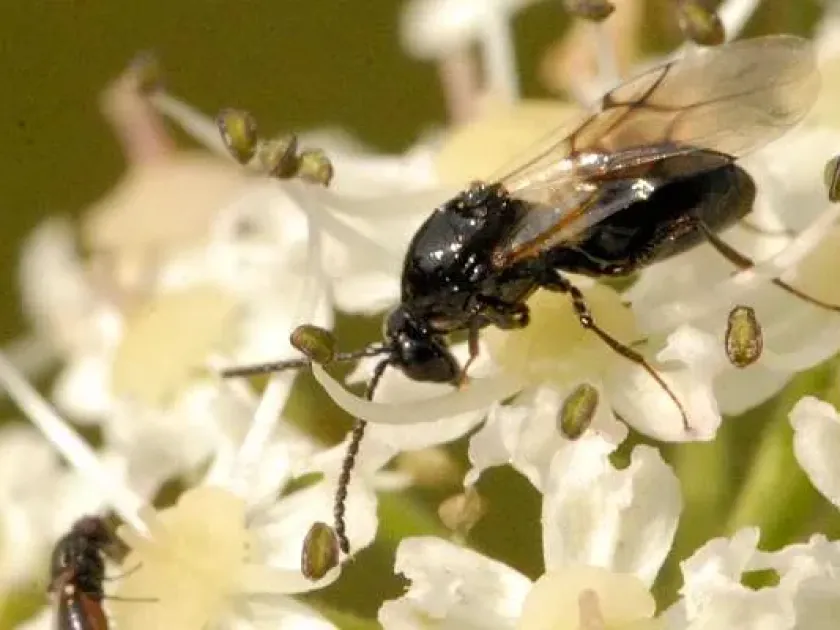
Trybliographa cubitalis
Description
How to identify
The Brassica pod midge (Dasineura brassicae) is a small dipteran insect belonging to the Cecidomyiidae family. Adult midges are delicate, mosquito-like insects measuring approximately 1.5 to 2 mm in length. They are characterized by long antennae and slender bodies, showing peak activity during calm, warm conditions.
Larvae are small, legless, and white or yellowish, reaching a size of about 2 mm when mature. They are the primary life stage responsible for crop damage as they feed within the pods of host plants. Their tiny size makes them difficult to detect without careful inspection.
The life cycle involves several generations per year, depending on environmental temperatures. Pupation typically occurs within the soil, where the midge overwinters as a pupa, protected from harsh winter temperatures. This persistence makes it a recurring problem for producers.
Females are highly prolific, capable of laying dozens of eggs in the crevices of pods or flowers. They often utilize existing damage caused by other insects or physical stress to introduce their eggs into the plant tissue, maximizing offspring survival.
Dispersal is primarily wind-assisted, allowing the midges to move between neighboring fields. This mobility requires regional coordination and consistent monitoring across all local canola and mustard plantings to effectively track population trends.
What it damages
The Brassica pod midge primarily attacks members of the Brassicaceae family, with oilseed rape and mustard being the most economically significant hosts. Infestations are most critical during the stages of pod development and flowering.
Larval feeding causes direct damage to the seeds within the developing pod. As they consume the seeds, they disrupt the normal maturation process. This leads to the shriveling and abortion of seeds, resulting in severe yield losses for producers.
A hallmark sign of damage is the premature yellowing and malformation of pods. As larvae feed, they often cause the pod walls to weaken, leading to premature shattering. This causes widespread seed shedding before the crop can be harvested.
The internal tunnels created by larvae allow pathogens, such as fungi and bacteria, to infect the pod. This secondary infection often leads to rot, which can destroy the remaining viable seeds and significantly diminish the overall quality of the harvested produce.
In high-density infestations, economic losses can be devastating, sometimes exceeding 50% of the total crop. Because the feeding happens inside the pod, the damage is often hidden until the crop begins to show widespread symptoms of premature senescence.
Signs of infestation
The first signs of infestation often include swollen, distorted pods that appear uneven or twisted. A careful examination of the pod surface during the flowering and early pod-set stages may reveal tiny entry points or clusters of eggs.
Premature ripening and yellowing of pods are major indicators of mid-to-late stage infestations. If the pods are opened, small white larvae are usually found clustered near the base of the damaged seeds, often accompanied by dark frass.
Monitoring the adult population is best achieved using yellow sticky traps placed near the field edges. These traps help agronomists determine the timing of the peak flight, which is the most critical window for applying effective control measures.
Patchy distribution within a field is common, especially near borders where the midges first arrive from adjacent areas. Areas with a higher concentration of damaged, shattered pods usually indicate the primary zones of activity and potential breeding sites.
Reduced plant vigor and early pod drop are also typical signs. In severe cases, the entire canopy of a field may look prematurely matured due to the extensive damage caused by the larvae, leading to substantial field-wide losses.
Control measures
Crop rotation is the most effective cultural practice for managing this pest. By maintaining a distance of at least 4 years between cruciferous crops, farmers can disrupt the life cycle, as the pupae in the soil will not survive long enough to infest the next planting.
Deep plowing following harvest is recommended to bury pupae present in the soil. By burying them at greater depths, the emergence of adults the following season is significantly delayed or prevented, thereby reducing the initial pest pressure.
Chemical control must be timed precisely with the peak adult flight activity during flowering. Using systemic insecticides can provide protection against larvae before they penetrate the pod walls, although application must be careful to avoid harming beneficial pollinators.
The removal of weed hosts from the Brassicaceae family, such as wild mustard or shepherd's purse, is essential. These weeds provide alternative food sources and breeding grounds for the midges, allowing the population to persist even in the absence of a primary crop.
Integrated Pest Management (IPM) should emphasize the use of natural enemies and biological control agents. Encouraging the presence of parasitic wasps and ensuring a balanced ecosystem can help suppress midge populations naturally and reduce reliance on chemical inputs.
Taxonomy
- Latin name
- Trybliographa cubitalis
- Order
- Hymenoptera
- Family
- Figitidae
- EPPO code
- TRYBCU
Discussion
No discussions yet — be the first.