
Callaspidia defonscolombei
Callaspidia defonscolombei
Description
How to identify
Callaspidia defonscolombei is a species of hymenopteran insect belonging to the family Figitidae. It is recognized primarily for its role as a gall-forming insect on woody host plants.
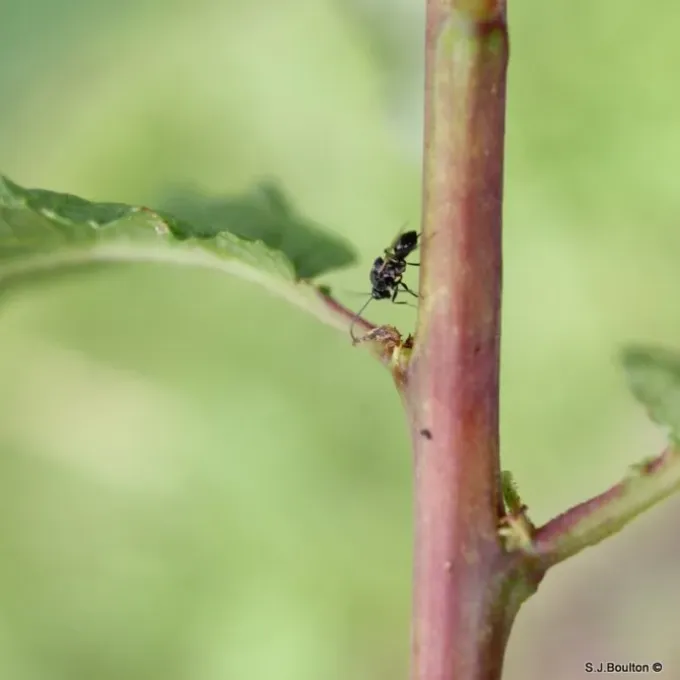
Adult individuals are tiny wasps that have evolved specific behaviors to locate and penetrate plant tissues for oviposition. They are rarely seen by the casual observer.
The larval stage is the most critical phase of their life cycle, occurring entirely within the protective structure of a gall induced by the insect's secretions.
Taxonomically, the species is classified among the parasitoid-related families, though its interaction with plants is specifically defined by gall induction.
Its biological success is attributed to its ability to manipulate plant cell development, effectively creating a nutrient-rich environment for its offspring within the host's tissue.
What it damages
The primary hosts for this species include various oak species (Quercus). The larvae feed on plant sap and tissue, which triggers the growth of gall structures.
These galls act as nutrient sinks, drawing energy away from the tree's vital functions such as growth and seed production. This resource diversion weakens the host plant.
In high densities, the formation of numerous galls on leaves significantly reduces the total photosynthetic area, leading to poor tree health and vigor.
Leaves affected by heavy infestation often turn yellow prematurely and may drop earlier than healthy foliage, negatively impacting the tree's seasonal energy storage.
Young trees and saplings in nurseries are particularly vulnerable, as gall formation can distort shoot growth and significantly stunt the plant's development.
When it appears
The life cycle begins in early spring when adults emerge from winter diapause to mate and seek out fresh, developing plant tissues for egg-laying.
During the summer months, larvae undergo rapid development inside the growing galls, feeding actively and consuming the nutrients supplied by the host tree.
As autumn approaches, the transformation into pupae occurs. The insects then prepare to overwinter, often in the leaf litter or crevices on the host tree.
Environmental variables such as spring temperature and rainfall play a decisive role in determining the population density for the upcoming season.
Understanding these phenological stages is essential for arborists and foresters when planning any necessary intervention or monitoring programs.
Signs of infestation
The most diagnostic sign of infestation is the appearance of abnormal swellings or galls on the leaves and sometimes the younger, succulent stems.
Visual inspection of the underside of the leaves may reveal small, circular exit holes, indicating that the adult wasp has successfully completed its development.
Curved, distorted, or stunted shoots in early summer are often indicative of larvae feeding within the vascular tissues of the developing growth.
A noticeable decline in the overall health, including premature defoliation or thin crowns, suggests that the infestation has reached a significant level.
Early identification of these symptoms is crucial for preventing the spread of the insect and minimizing long-term damage to the tree canopy.
Control measures
Sanitation practices, such as the removal and destruction of fallen leaves in autumn, significantly reduce the population of overwintering insects.
Biological control involves supporting local populations of natural predators and parasitoids that naturally prey upon or parasitize the gall wasp larvae.
Maintaining high plant vigor through proper irrigation and nutrition increases the tree's resilience, making it less susceptible to severe infestation.
Chemical control is generally reserved for nurseries or high-value landscapes where population numbers pose an immediate threat to plant health.
Regular forest health monitoring and the surgical pruning of heavily infested branches can help contain the spread without relying on chemical pesticides.
Taxonomy
- Latin name
- Callaspidia defonscolombei
- Order
- Hymenoptera
- Family
- Figitidae
- EPPO code
- CLLSDE
Discussion
No discussions yet — be the first.