
Trybliographa
Trybliographa
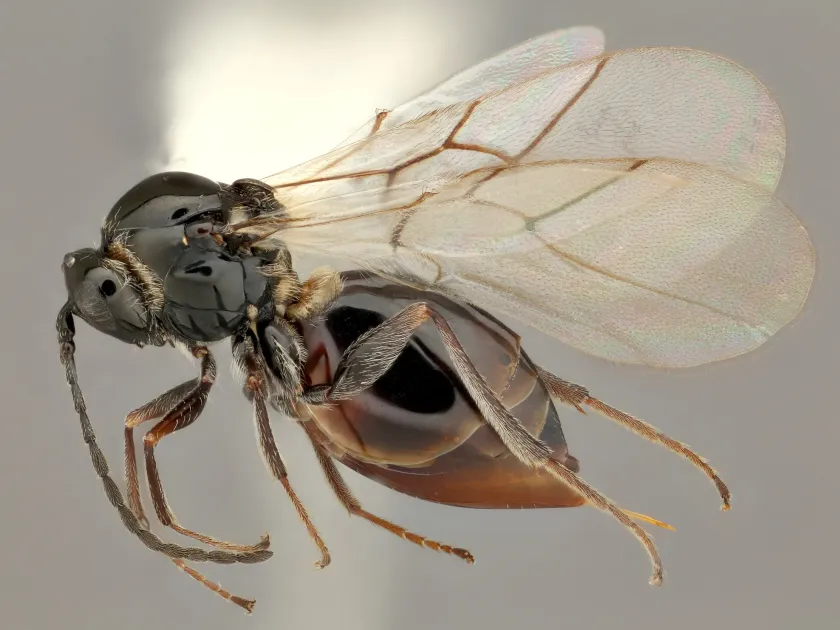
Description
How to identify
Trybliographa is a genus of parasitoid wasps belonging to the family Figitidae, order Hymenoptera. These small insects act as natural regulators of dipteran populations in various ecosystems.
Adult Trybliographa are typically tiny, dark-bodied wasps that possess specialized sensory organs to detect their hosts, often fly larvae (Diptera) that inhabit plants or soil.
The life cycle involves complete metamorphosis, moving through egg, larval, pupal, and adult stages. The female wasp searches for appropriate host larvae to lay her eggs inside.
Classification of these wasps requires precise morphological analysis, as subtle differences in wing venation and body structure are critical for accurate species identification.
They are widely recognized in biological science for their ability to significantly impact the survival rate of leaf-mining flies and other agricultural pests.
What it damages
Trybliographa itself does not consume plant tissues; rather, it provides a vital service by parasitizing harmful fly larvae that damage crops. The "damage" occurs only when their natural populations are depleted.
When synthetic insecticides destroy these parasitoids, populations of mining flies explode, leading to extensive tissue damage in vegetables and root crops.
The larvae of the host flies create tunnels in leaves and roots, which facilitates the spread of pathogens and reduces the aesthetic and commercial value of the produce.
A lack of Trybliographa presence often indicates a disrupted ecosystem where pest pressure is high, necessitating stronger management strategies.
Protecting these wasps is an essential component of sustainable agriculture, as they serve as an effective, cost-free biological control mechanism against fly infestations.
When it appears
The seasonal activity of Trybliographa is highly dependent on the emergence of their host flies, typically spanning the late spring through early autumn months.
Temperature and humidity regulate the timing of their life cycles, with activity peaking during the warmest periods of the growing season when host availability is highest.
In temperate climates, they undergo several generations per year, with the final generation of the season entering diapause to survive the winter period.
Understanding these timing patterns helps agronomists schedule field operations to avoid damaging the parasitoid population during their most active phases.
Winter survival typically occurs in the pupal stage, hidden within the soil or debris, allowing the population to emerge again when spring conditions arrive.
Control measures
The primary control strategy is the implementation of Integrated Pest Management (IPM), which prioritizes the preservation of parasitoids like Trybliographa over indiscriminate pesticide use.
Adopting selective pesticides that target specific pests without harming beneficial wasps is crucial for maintaining ecological stability in the field.
Enhancing habitat quality by planting hedgerows or flowering margins provides necessary food sources for adult wasps, increasing their efficacy as biocontrol agents.
- Avoid broad-spectrum insecticide sprays.
- Practice crop rotation to disrupt host life cycles naturally.
- Monitor field populations to justify any chemical application.
Effective management emphasizes the long-term benefit of natural control, ensuring that populations of beneficial insects remain healthy throughout the production cycle.
Taxonomy
- Latin name
- Trybliographa
- Order
- Hymenoptera
- Family
- Figitidae
- EPPO code
- TRYBSP
Discussion
No discussions yet — be the first.