
Dog roundworm
Toxocara canis
Description
How to identify
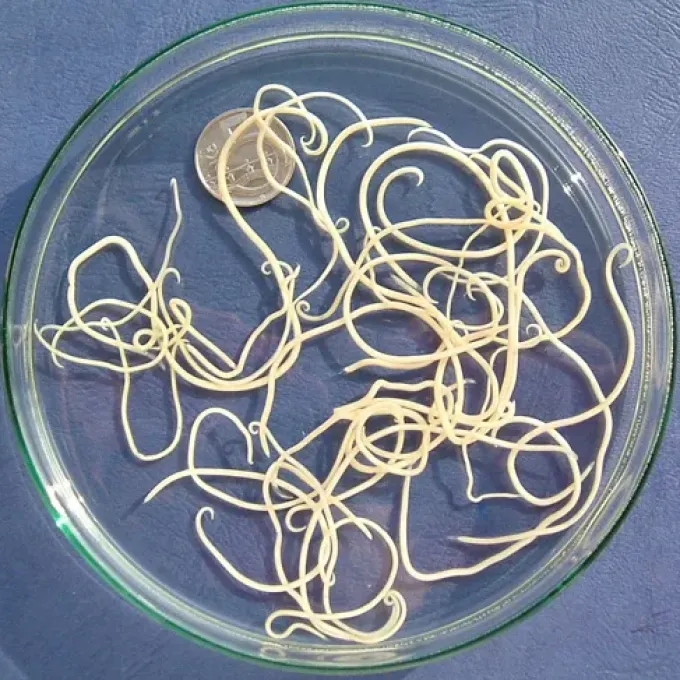
The dog roundworm (Toxocara canis) is a parasitic nematode belonging to the order Ascaridida and the family Toxocaridae. While primarily a veterinary pathogen, it is a significant environmental factor in agricultural land management.
The adult worms are large, typically several centimeters long, living in the intestines of dogs. The primary concern for agronomists is the prevalence of their eggs in the soil environment, which can persist for several years under favorable conditions.
These eggs are highly resistant to environmental stressors, including fluctuations in temperature and moderate soil moisture. This durability makes them a persistent threat to soil quality in contaminated areas.
The life cycle begins with eggs being shed in feces. These eggs embryonate in the soil, becoming infectious. Rain, wind, and irrigation water can facilitate the movement of these eggs across the field.
Laboratory monitoring of soil samples via flotation techniques is the standard method for identifying the presence of Toxocara canis in agricultural soils to ensure the safety of the growing site.
What it damages
The presence of this parasite does not result in the physiological damage of plants, but it compromises the hygiene and marketability of agricultural produce. Contaminated surfaces of vegetables and fruits represent a significant health risk.
Soil contamination limits the application of non-treated organic fertilizers in integrated pest management (IPM) programs. It necessitates stricter soil testing protocols for organic farming certification.
The agricultural productivity of a site may be indirectly affected by the need for quarantine or extended fallow periods to allow for the natural degradation of infectious eggs in the soil.
Economic impacts arise from the increased cost of processing, washing, and disinfecting vegetables before they reach the consumer market. Failure to meet safety standards can lead to crop rejection and financial loss.
Farm operators must implement rigorous safety procedures, as worker exposure to contaminated soil during cultivation and harvesting poses a direct risk to human health, necessitating liability management.
Control measures
Restricting the access of dogs to agricultural fields is the most effective preventative measure. Proper fencing is essential to keep livestock and domestic animals away from vegetable and berry production plots.
Regular deworming programs for all farm dogs are critical to preventing the shedding of eggs. Veterinary supervision of working animals is an indispensable part of a farm's biological security plan.
Physical remediation of the soil, such as deep tilling combined with soil amendment through liming, can create conditions that reduce the viability of parasite eggs in the upper soil profile.
Implementing strict hygiene protocols for farm laborers, including the use of protective footwear and gloves, ensures that contamination is not carried into packing sheds or onto the harvested crop.
- Installing perimeter fencing to exclude canines.
- Enforcing veterinary deworming protocols for pets.
- Performing soil sanitation through heat or chemical amendments.
- Ensuring thorough post-harvest washing of produce with potable water.
Taxonomy
- Latin name
- Toxocara canis
- Order
- Nematodes
- Family
- Ascarididae
- EPPO code
- TOXCCA
Discussion
No discussions yet — be the first.