

Tortrix
Tortrix
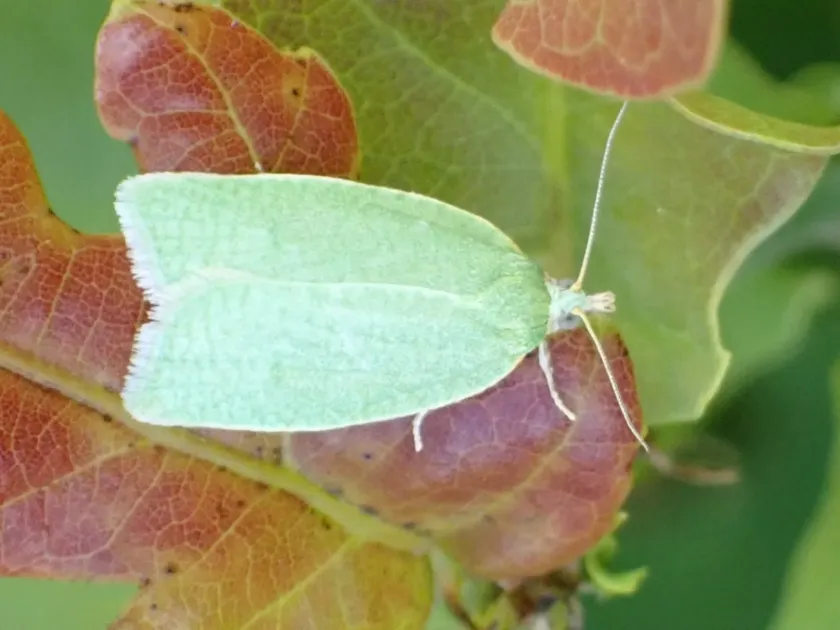
Description
How to identify
The Tortricidae family, commonly known as leafroller moths, consists of small insects with a wingspan ranging from 10 to 25 millimeters. Their most distinctive feature is their resting position, where they fold their wings into a flat, tent-like shape.
The larvae, or caterpillars, are typically cylindrical and vary in color from pale green to dark brown, usually featuring a prominent, hard-shelled head. They are highly active and exhibit a defensive behavior of dropping from leaves on a silk thread when disturbed.
Systematically, they belong to the order Lepidoptera. Because they are part of a vast family, many species have evolved to specialize on specific plants, although many remain generalist pests causing significant agricultural damage worldwide.
The life cycle involves complete metamorphosis, including egg, larva, pupa, and adult stages. Depending on the species and climate, they may complete one or several generations within a single growing season.
Overwintering usually occurs either as an egg laid on bark or as a diapausing larva hidden in crevices of branches, making them remarkably resilient to harsh winter conditions and difficult to eradicate completely.
What it damages
Tortrix moths are significant polyphagous pests that attack a wide variety of crops, including apples, pears, plums, grapes, strawberries, and various ornamental shrubs and trees found in home gardens.
The primary damage is caused by the larvae, which consume buds, young leaves, flowers, and developing fruit. By feeding on foliage, they reduce the plant's ability to photosynthesize, weakening its overall vigor.
A hallmark of their presence is the rolling or tying together of leaves using silk. This behavior creates a protective sanctuary for the larva, shielding it from weather and, more importantly, from many topical insecticide sprays.
When fruit is attacked, larvae bore into the flesh, leaving unsightly tunnels and scars. This not only destroys the fruit's market value but also makes it highly susceptible to secondary rot and fungal infections.
High populations can lead to severe defoliation, stunted growth, and significant loss of yield, as the insects target both the reproductive organs (blossoms and fruit) and the vegetative parts of the plant.
Signs of infestation
Early spring signs include buds that fail to open properly or look shriveled, often bound together by faint silk strands spun by the emerging overwintering larvae during their first feeding.
The most obvious visual indicator is the presence of rolled or folded leaves. These "leaf rolls" act as protective shelters, and carefully unfolding them will reveal the caterpillar or its dark excrement (frass).
On fruit, you may notice small, shallow pits or irregular holes covered in webbing. These entry points are often surrounded by damaged tissue that begins to darken or soften due to decay.
The presence of fine webbing covering tips of new shoots or blossoms is a strong signal that an infestation is underway. You may also observe moths flitting around the canopy during warm, twilight hours.
If you see a sudden, premature drop of young fruit, it is often a sign that larvae have girdled the stems or bored into the fruitlets, causing them to detach from the branch before reaching maturity.
Control measures
Mechanical control is effective for smaller infestations: hand-picking and destroying rolled leaves or pruning away heavily infested shoots can significantly reduce the caterpillar population in a home garden.
Pheromone traps are excellent tools for monitoring and timing treatments. By tracking the flight activity of adult moths, gardeners can apply controls only when necessary, saving time and reducing chemical use.
Biological control methods, such as applying Bacillus thuringiensis (Bt) sprays, are highly effective against young larvae. These treatments are safer for beneficial insects and predators like ladybugs and lacewings.
Chemical control should be timed precisely with the egg-hatch stage. Once the larvae have successfully rolled the leaves into their protective shelters, they become much harder to reach with contact insecticides.
- Install sticky bands on tree trunks to trap migrating larvae.
- Encourage beneficial predatory insects by planting nectar-rich flowers.
- Maintain garden hygiene by removing fallen leaves and debris where pupae overwinter.
Content graph
Connections · Tortrix
Most often together:
Marketplace
Products · 3
All 3
Grape 4
Insecticides, Acaricides 3
Biological Products 2
Honeysuckle 1
Plant Growth Regulators 1

Gaubsin
Дочірнє підприємство «ЕНЗИМ» (Україна, Вінницька обл.
Insecticides
0
0
·
43
4 offers
3.5 €per 1 l
Buy

RELDAN 22 EC
Доу АгроСайенсіс, Кінг’з-Лінн, Великобританія
Insecticides
0
0
·
77
No offers
—
Details
Biology
Taxonomy
- Latin name
- Tortrix
- Order
- Lepidoptera (butterflies)
- Family
- Tortricidae
- EPPO code
- TORTSP
Community
Discussion
No discussions yet — be the first.