
Pine needle gall midge
Thecodiplosis piniradiatae
Description
How to identify
The pine needle gall midge (Thecodiplosis piniradiatae) is a small insect of the order Diptera, belonging to the family Cecidomyiidae. Adult midges are tiny, mosquito-like flies that are often overlooked by observers, even during periods of heavy infestation.
The main damage is caused by the larvae, which develop internally within the needles. Because the adults are so elusive, professional monitoring usually relies on identifying the characteristic gall formations on the needles rather than spotting the insects themselves.
The life cycle of this pest is synchronized with the phenology of its host tree. As a specialized pest, it targets specific pine species, successfully exploiting their physiological cycles to ensure the survival of its larval stage throughout the growing season.
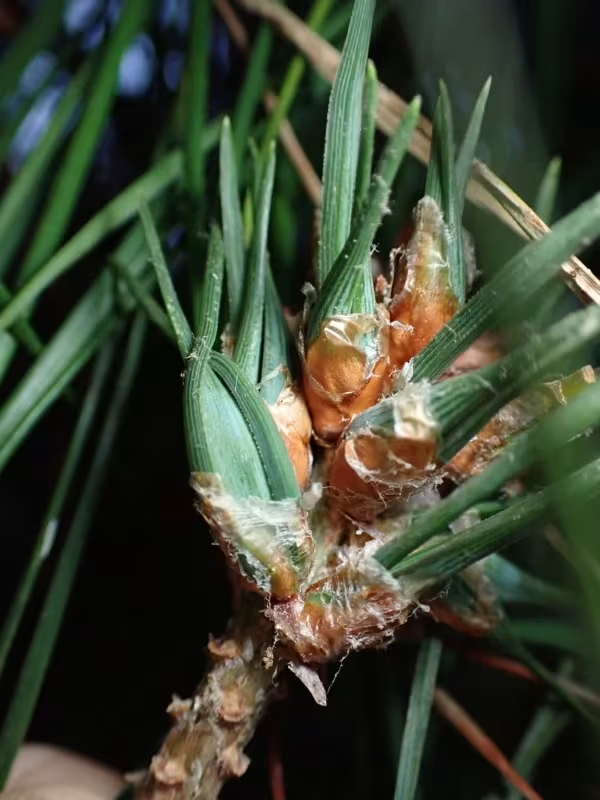
Systematically, it is vital to distinguish this species from other gall-forming insects that attack pine buds or woody tissues. The primary identification feature is the specific swelling (gall) formed at the base of the needle where the larvae reside.
It is important to note that these midges most frequently colonize trees already under environmental stress. Such conditions provide the ideal balance of susceptibility in the tree and favorable microclimates for the larvae to reach maturity.
What it damages
The primary hosts of this midge are various species of pine (genus Pinus). The pest specifically attacks the current year's needles, which directly impacts the tree's photosynthetic capacity and its ability to store energy for future growth.
Larvae feed at the base of the needles, inducing the formation of characteristic galls. This feeding behavior disrupts the vascular system within the needle, leading to needle discoloration, premature yellowing, and eventually, premature needle drop.
The cumulative effect of this damage includes reduced shoot elongation and a significant loss of foliage. This thinning of the canopy not only degrades the tree's visual appeal but also reduces its overall vitality and resistance to environmental stress.
Chronic infestations make pine stands highly vulnerable to secondary attacks by bark beetles and other wood-boring insects. Once the tree's defenses are compromised by the loss of needles, the likelihood of successful infestation by secondary pests increases dramatically.
Economically, the midge is a concern in nurseries and urban forestry where maintaining the aesthetic health of the trees is paramount. Persistent damage can lead to the death of young seedlings and significant losses in plantation value.
Signs of infestation
The first signs of infestation are small, subtle swellings at the base of the needles near their attachment to the twig. These galls are the hallmark of Thecodiplosis piniradiatae and indicate where the larvae are feeding and disrupting sap flow.
Affected needles begin to turn yellow, often displaying mottled or variegated patterns before transitioning to a reddish-brown color. Once the needle dies and drops, the canopy begins to look sparse, especially in the areas of the current season's growth.
Close inspection of the twigs often reveals twisted or distorted needles. In the areas surrounding the galls, the needle structure may become fragile, and these points of injury often become entrance sites for secondary fungal infections.
While adults can occasionally be seen in the canopy during their flight season, it is rarely a reliable diagnostic method due to their size and camouflage. Relying on the presence of needle galls in mid-season is the most accurate way to confirm an active infestation.
A simple shake of the branch can reveal an abnormal amount of premature needle drop. If you examine the base of these dropped needles, you will often find evidence of larval chambers or the remains of the midge development, confirming the source of the problem.
Control measures
Effective management of the pine needle gall midge requires an integrated approach. The strategy focuses on both reducing current pest numbers and improving the overall health of the tree to ensure it can better withstand future infestation pressure.
In nursery settings, systemic insecticides are the most effective way to reach larvae hidden within the galls. Applications must be timed precisely to match the insect's life cycle, targeting the most vulnerable stages of larval development to ensure maximum efficacy.
Sanitation, including the pruning and destruction of heavily infested shoots, is effective for small-scale infestations. In larger forest plantations, biological control agents such as parasitoid wasps play a crucial role in regulating the midge population naturally.
Maintaining tree vigor through proper fertilization, adequate irrigation, and appropriate spacing helps trees overcome the stress caused by the midge. A healthy tree can compensate for lost foliage more effectively than a stressed one.
- Utilizing biopesticides based on entomopathogenic fungi.
- Regular field monitoring to detect early signs of needle gall formation.
- Removing fallen debris where larvae or pupae may spend their dormant phase.
Taxonomy
- Latin name
- Thecodiplosis piniradiatae
- Order
- Diptera (flies)
- Family
- Cecidomyiidae
- EPPO code
- THEOPR
Discussion
No discussions yet — be the first.