
Tettigometra impressopunctata
Tettigometra impressopunctata
Description
How to identify
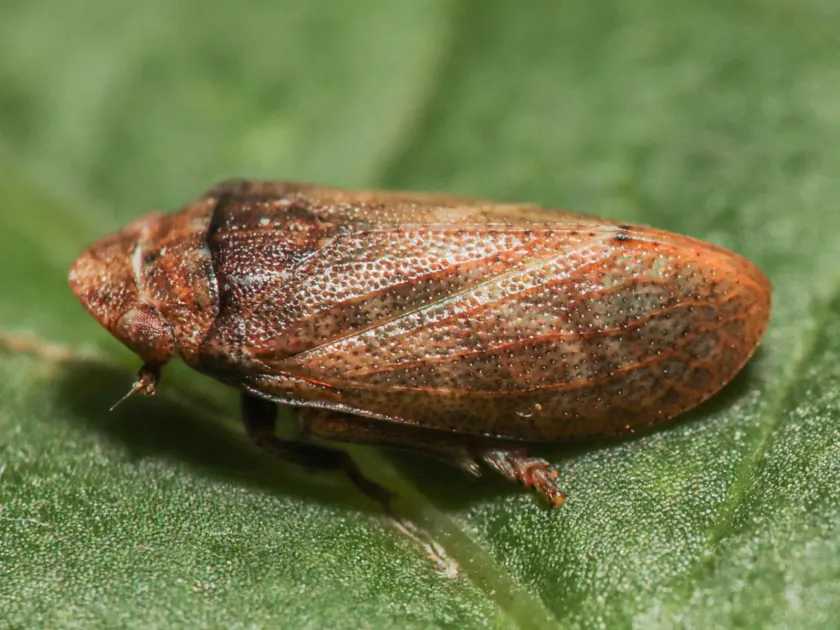
Tettigometra impressopunctata is a species of planthopper belonging to the family Tettigometridae within the order Hemiptera. These insects are characterized by a robust, somewhat flattened body shape, which is typical for the family.
Adult specimens usually reach a size of 5-7 mm. Their coloration ranges from grayish-brown to yellowish-brown, providing excellent camouflage against the soil surface and decaying plant material.
A key morphological feature is the head, which is closely pressed against the pronotum. The surface of their body is covered with fine punctures, giving rise to their specific name, "impressopunctata" (impressed-punctured).
The nymphs resemble the adults in structure but are smaller and lack fully developed wings. They tend to remain near the base of the host plant, leading a sedentary lifestyle.
These insects often maintain a mutualistic relationship with ants. The ants protect the nymphs from predators, while the nymphs provide honeydew, a sugary substance secreted during their feeding process, to the ants.
What it damages
Tettigometra impressopunctata acts as a polyphagous pest, feeding on the sap of various herbaceous plants, including many grasses and legumes. They are considered minor pests that can become significant under favorable conditions.
In agricultural settings, they may infest winter cereal crops during their early growth stages. By sucking sap from stems and leaves, they weaken the host plant and divert essential nutrients needed for development.
Damage is often most pronounced during dry seasons, when water-stressed plants are less resilient to the loss of sap caused by these sucking insects.
The feeding activity can lead to a general decline in plant vigor, stunted growth, and curled leaves, which eventually impacts the total crop yield and overall quality of the harvest.
Additionally, the presence of these insects can facilitate the development of secondary fungal infections, such as sooty mold, which grows on the excreted honeydew covering the plant surface.
When it appears
The life cycle of this species is heavily influenced by temperature and moisture availability. Adults typically overwinter in the upper soil layers or beneath dense crop residues.
As temperatures rise in the spring, the insects emerge from their overwintering sites and begin feeding on early vegetative growth, including weeds and winter cereals.
The insects undergo several nymphal stages throughout the summer season. Population growth is most rapid during warm and stable weather conditions, allowing for multiple overlapping generations.
The peak activity period usually occurs during mid-summer, when the density of nymphs and adults on the host plants is highest.
As autumn approaches and temperatures drop, the insects begin seeking sheltered areas in the soil to initiate the overwintering phase, ensuring the survival of the species until the following spring.
Signs of infestation
The presence of sticky honeydew on the leaves and stems is a primary indicator of infestation. This residue provides a substrate for sooty mold, which may appear as black, dusty patches on the plant.
Plants affected by these pests often display signs of physiological stress, such as yellowing leaf tips, premature wilting, and overall stunted development compared to healthy plants.
Visible trails of ants near the base of the plant or traveling up the stems suggest the presence of a colony of these planthoppers, as ants are attracted to the honeydew secretion.
By closely examining the crown of the plant or the lower sections of the stems in the early morning, it is possible to spot the nymphs, which are usually well-hidden and may drop to the ground when disturbed.
Large colonies can cause circular patches of chlorotic or dying plants in the field, where the population has reached high enough numbers to severely deplete the plant's resources.
Control measures
Effective management begins with strict field sanitation, specifically the removal and control of host weeds, which act as primary reservoirs for the pest during the off-season.
Deep autumn plowing (tillage) is an essential agronomic practice that destroys overwintering habitats, significantly reducing the population density for the following growing season.
Crop rotation is recommended to prevent the buildup of pest populations, as it disrupts the continuous availability of preferred host plants in a single area.
When infestation levels exceed the economic threshold, the application of systemic insecticides may be necessary to protect the crop throughout the critical stages of development.
- Monitor fields regularly using sticky traps or visual inspections.
- Encourage natural predators and parasitoids that help maintain insect populations.
- Select resistant crop varieties where available to reduce susceptibility.
Taxonomy
- Latin name
- Tettigometra impressopunctata
- Order
- Hemiptera (bugs, aphids, leafhoppers)
- Family
- Tettigometridae
- EPPO code
- TTTIIM
Discussion
No discussions yet — be the first.