
Tetraneura aegyptiaca
Tetraneura aegyptiaca
Description
How to identify
Tetraneura aegyptiaca belongs to the family Pemphigidae, commonly known as gall aphids. It is a highly specialized insect species that requires two different hosts to complete its complex biological cycle.
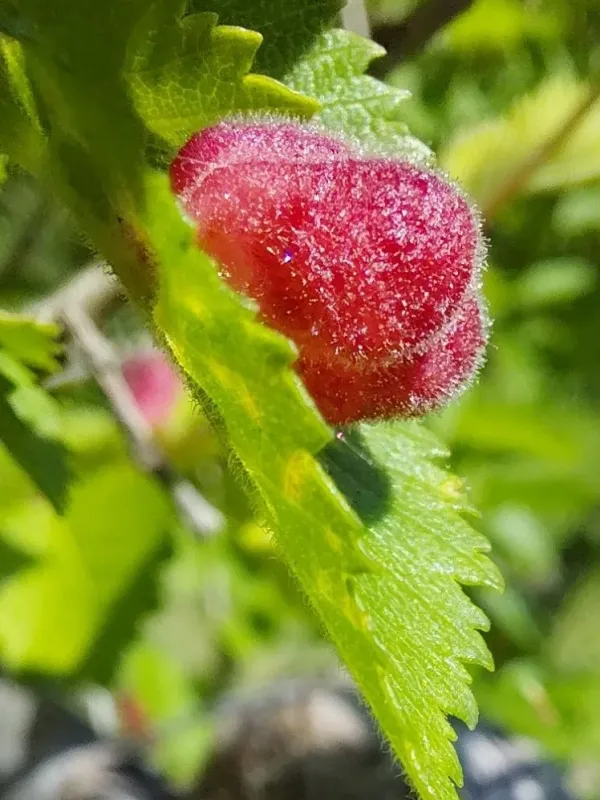
The primary host for this species is the elm tree (Ulmus genus), where the aphid induces the formation of galls during the spring season to support its early development stages.
The secondary hosts include various graminaceous plants, specifically cereal crops like wheat and barley, where the aphid spends its summer stages colonizing root systems.
Adult aphids living on roots are typically wingless, with a small, pear-shaped body that is yellowish or greenish in color, allowing them to blend with the soil and root environment.
The species demonstrates significant ecological plasticity, enabling it to thrive in diverse agricultural environments across different geographic regions.
What it damages
Tetraneura aegyptiaca primarily damages cereal crops by feeding on the sap of the root system, which is a critical source of nutrients and water for the plant.
Feeding activity disrupts the normal physiological functions of the root, leading to reduced water and mineral uptake, which weakens the plant's overall development.
Plants infested by these aphids exhibit symptoms of severe stress, including stunted growth, reduced tillering, and an overall decrease in biomass production.
During moisture-deficient periods, the impact of root damage is magnified, often resulting in premature wilting and, in extreme cases, the death of individual stems.
The infestation leads to lower grain yield and poor quality of the final harvest, as the plant lacks the energy required to properly fill the grain heads.
When it appears
The seasonal cycle begins in spring when winged female migrants move from their primary elm hosts to colonize the root systems of developing cereal crops.
Throughout the summer months, the aphid undergoes several generations within the soil, with the rate of reproduction being heavily influenced by soil temperature and moisture levels.
Infestation peaks coincide with the stem elongation and heading phases of cereals, which are the most vulnerable growth stages for the plants.
As autumn arrives, a reverse migration of winged individuals occurs, where the insects return to elm trees to lay overwintering eggs in bark crevices.
Environmental fluctuations significantly affect population dynamics, making the monitoring of soil conditions essential for predicting the severity of the annual infestation.
Signs of infestation
Detecting Tetraneura aegyptiaca is challenging due to the hidden nature of their infestation, which occurs entirely below the soil surface, leaving no obvious marks on the foliage.
Initial signs are often visible as irregular growth patches in the field, where plants appear yellowish or stunted compared to the surrounding healthy vegetation.
Careful excavation of infested plants reveals colonies of aphids clustered around the roots, often accompanied by a distinct white, waxy secretion produced by the insects.
Increased ant activity around the base of the stems may indicate the presence of root aphids, as ants frequently tend to them for the honeydew they excrete.
- Yellowing or chlorosis of leaves starting from the bottom up.
- Poorly developed or necrotic root structures upon examination.
- Significant decrease in the height and vigor of affected plants.
Control measures
The most effective management strategy involves a robust crop rotation program that prevents the buildup of aphid populations in the field over consecutive years.
Deep plowing during the autumn season is recommended to disrupt the overwintering sites of the pest and bury remaining aphid colonies.
Rigorous weed control is essential, particularly regarding wild grasses that may serve as alternative hosts during the periods when main crops are not available.
Systemic insecticides, particularly as seed treatments, can provide early-season protection, helping young crops establish a strong root system before colonization occurs.
Integrated Pest Management (IPM) practices, including the use of resistant crop varieties, should be prioritized to reduce reliance on chemical inputs and ensure long-term crop stability.
Taxonomy
- Latin name
- Tetraneura aegyptiaca
- Order
- Hemiptera (bugs, aphids, leafhoppers)
- Family
- Aphididae
- EPPO code
- TTNRAE
Discussion
No discussions yet — be the first.