
Cypress gall midge
Taxodiomyia cupressiananassa
Description
How to identify
The Cypress gall midge (Taxodiomyia cupressiananassa) is a small dipteran insect belonging to the Cecidomyiidae family. These midges are specialized pests that primarily target members of the Cupressaceae family.
The adult stage is rarely observed due to its small size and short lifespan. The damage is primarily caused by the larvae, which induce the plant to form unique growths known as galls.
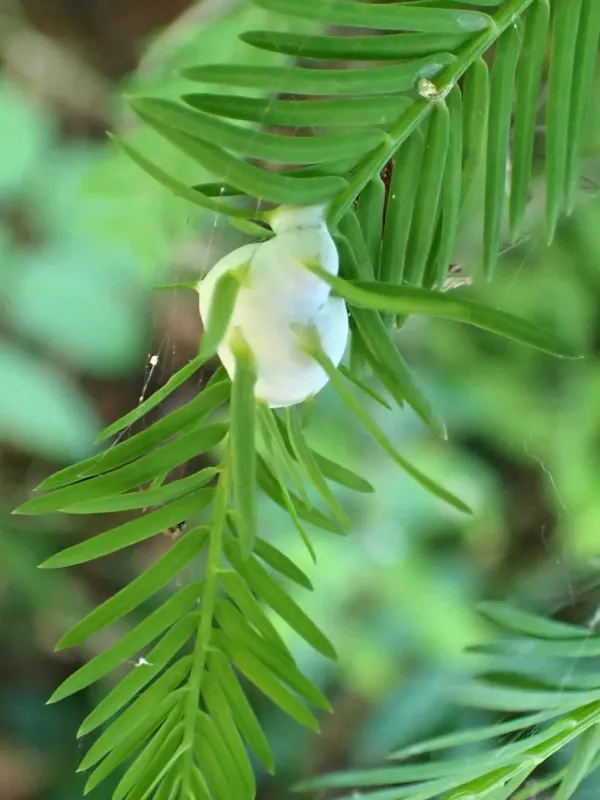
The galls look like small, pineapple-shaped structures on the tips of twigs. This distinctive appearance gives the insect its species name, as they resemble small cypress cones.
Inside each gall, the larvae reside and feed on the plant's nutrients, which triggers the surrounding tissue to swell and harden, providing a protective shell.
Understanding the life cycle is crucial for effective control, as the midge relies on the host plant's active growth phases to complete its development.
What it damages
This pest is primarily found on Bald Cypress (Taxodium distichum) and related species. While it usually doesn't kill the tree, it significantly affects its ornamental value.
The larvae distort the development of the twig tips, preventing normal growth and branching. This can lead to stunted appearance and asymmetrical crown development.
Constant nutrient diversion to the galls leaves the tree weakened and potentially more susceptible to secondary stressors, such as drought or secondary infections.
For nursery production, the presence of these galls is a major concern, as it ruins the aesthetic quality of the stock, making it difficult to market.
Large-scale infestations can cause localized dieback, particularly on younger or smaller trees that are still establishing their structure.
When it appears
The life cycle of the Cypress gall midge is tightly linked to the phenology of the host plant. Activity peaks in the spring when new growth emerges.
Adult midges emerge to lay eggs on the tender, developing shoots of the trees. This timing is critical for synchronizing the larvae's growth with the availability of fresh plant tissue.
Throughout the summer, the larvae continue to grow inside the developing galls. The galls increase in size and toughness as the season progresses.
By late autumn or early winter, the larvae reach maturity within the galls. They often remain inside these structures throughout the winter period.
The following spring, the cycle restarts as adult insects exit the galls to mate and initiate a new generation on the new season's growth.
Signs of infestation
The most reliable sign of a Cypress gall midge infestation is the presence of hard, pineapple-shaped galls located at the tips of the needles or twigs.
In addition to the galls, you may notice premature yellowing or browning of the needles in the immediate vicinity of the gall formation.
If you inspect the affected areas closely, you will see a visible distortion of the shoot architecture, which looks unnatural compared to healthy branches.
Upon slicing a gall open, you will typically find one or more yellowish-to-orange larvae inside, confirming that the growth is indeed a pest-induced gall.
Increased needle drop or thinning of the foliage on specific branches can also indicate that the tree is diverting energy to the galls instead of needle maintenance.
Control measures
The most effective cultural practice is manual removal. Pruning and destroying the galls before the adult midges emerge is the best way to reduce the population.
It is important to dispose of the pruned galls properly, preferably by burning or burying them, to ensure that the larvae do not complete their cycle.
Systemic insecticides applied during the early spring, when new growth is just beginning, can provide control by targeting the adults or early-stage larvae.
Maintaining tree vigor through proper irrigation and fertilization helps the plant withstand the stress caused by the midge infestation.
- Regular inspection of cypress trees during the spring months.
- Sanitation through pruning and destroying all visible galls.
- Application of systemic pesticides at the start of the growth season.
- Avoid overcrowding in nursery settings to ensure good airflow.
Taxonomy
- Latin name
- Taxodiomyia cupressiananassa
- Order
- Diptera (flies)
- Family
- Cecidomyiidae
- EPPO code
- THEOAN
Discussion
No discussions yet — be the first.