
Taxodiomyia
Taxodiomyia
Description
How to identify
Taxodiomyia is a genus of small insects belonging to the gall midge family (Cecidomyiidae) within the order Diptera. Adult individuals resemble tiny mosquitoes with slender legs and delicate antennae.
The larvae of this pest are spindle-shaped and usually creamy or pinkish-orange in color. Their life cycle is intrinsically linked to the formation of pathological tissue growths on the host plant known as galls.
The damage is primarily caused by larvae, which secrete enzymes during feeding that force the plant tissues to proliferate in an abnormal, structured way. These deformations serve as the primary diagnostic feature for identifying the pest.
Adults are tiny, measuring only about 2–3 millimeters, making them difficult to spot in the early stages of infestation. The biology of the genus is best studied in relation to its impact on the family Cupressaceae.
A notable feature of this genus is its high host specificity: each species of Taxodiomyia usually targets a specific host plant, which facilitates easier monitoring and identification in professional nurseries.
What it damages
This pest mainly affects conifer trees belonging to the Cupressaceae family. Bald cypress (Taxodium distichum) and its close relatives are the most common targets for infestation.
The insects prefer young shoots and buds, which contain the most active and nutrient-rich tissues. In some cases, colonies may be found on needles during their period of intense growth in the spring.
Disruption of sap flow in areas where larvae are present leads to a decrease in the tree's overall immunity. This makes the plant significantly more susceptible to secondary wood diseases and fungal infections.
In cases of heavy infestation, significant crown deformation occurs, which is critically detrimental to ornamental conifer varieties. The loss of aesthetic appeal reduces the commercial value of the nursery stock.
Without proper control, the pest population can cause premature needle drop and the gradual dieback of individual branches, seriously damaging the visual integrity of landscape plantings.
Signs of infestation
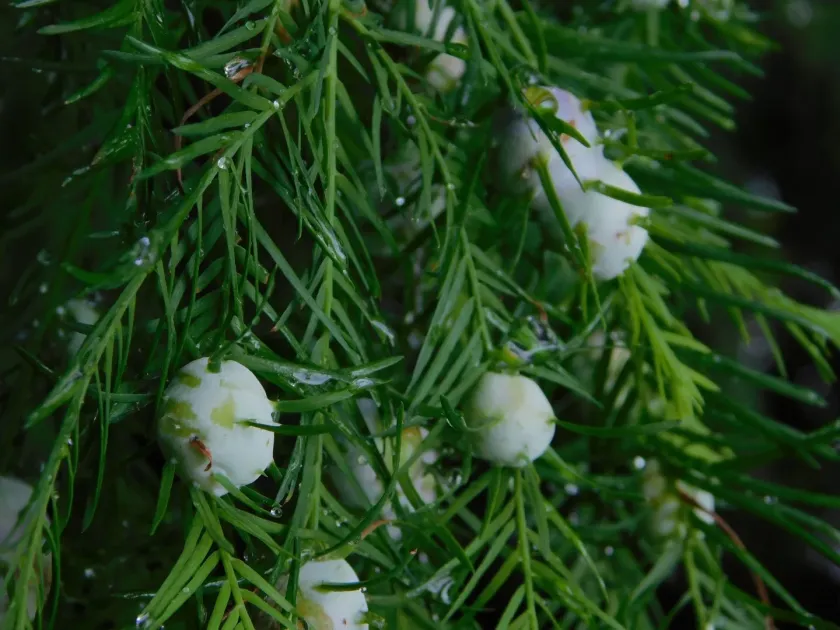
The first and most obvious sign of Taxodiomyia presence is the emergence of cone-shaped galls on the tips of shoots. These formations look like dense, often fused scales resembling miniature cones.
Inside each gall, one or more larvae can be found. Plant tissues surrounding the larvae often change color, ranging from light green to brown due to localized cell necrosis.
Visually, the tree crown appears irregular or stunted in affected areas. Detailed inspection of apical shoots reveals that they are shortened and have unnaturally thickened needle scales.
In autumn, after the larvae emerge from the galls to pupate in the soil, dry and cracked husks remain on the branches, which are easily visible to the naked eye.
- Deformation of apical buds.
- Appearance of anomalous scaly growths.
- Premature yellowing and shedding of needles.
- Dieback of the tips of young shoots.
Control measures
The protection strategy against Taxodiomyia relies on timely sanitary pruning. Affected shoots must be cut before the adults emerge from the galls and destroyed immediately by burning.
Chemical control is most effective during the peak flight of adults and the egg-laying period. Applying systemic insecticides with contact-stomach action helps to break the pest's development cycle.
A key agrotechnical requirement is maintaining the overall health of conifer species. Trees receiving optimal irrigation and balanced nutrition show significantly higher resistance to pest colonization.
In nurseries, it is recommended to conduct regular monitoring using colored sticky traps. This helps to pinpoint the start of the flight period and allows for treatment during the window of maximum vulnerability.
Biological control agents based on entomopathogenic fungi or bacteria also demonstrate good efficacy, particularly when used in controlled environments or protective nursery settings.
Taxonomy
- Latin name
- Taxodiomyia
- Order
- Diptera (flies)
- Family
- Cecidomyiidae
- EPPO code
- TAXDSP
Discussion
No discussions yet — be the first.