
Rust slug
Tandonia rustica
Description
How to identify
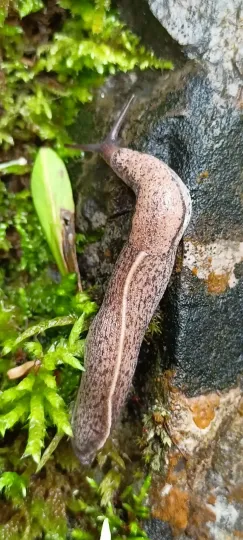
The rust slug (Tandonia rustica), belonging to the family Milacidae, is a significant gastropod pest. It is characterized by its distinctive rusty or reddish-brown coloration and a thick, muscular body.
Adult specimens measure between 5 and 8 cm in length. A defining feature is the prominent keel that runs along the mid-dorsal line of its back, extending from the mantle to the posterior end.
Unlike some other slug species, this slug spends a large portion of its life in the soil or in deep crevices, emerging primarily at night or during highly humid conditions to feed.
The lifecycle consists of egg, juvenile, and adult stages. Being hermaphroditic, these slugs can reproduce efficiently, and eggs are deposited in protected underground chambers or under decaying plant matter.
Overwintering occurs either as eggs or adults within the soil. They are capable of burrowing deep into the ground, often reaching depths of 30 cm to escape cold weather or extreme drought.
What it damages
Tandonia rustica is a polyphagous pest that targets a wide range of agricultural crops, with a particular preference for underground storage organs like potatoes and carrots.
Leafy greens such as lettuce and cabbage are also frequently consumed, leading to severe defoliation. The slugs eat the tender tissues, leaving only the primary veins behind.
Strawberries and other low-growing fruits are highly susceptible, as the slugs damage the surface of the fruit, making them unmarketable and prone to fungal infections.
The economic impact is high because their feeding habits create entry points for secondary pathogens, such as soft rot bacteria, which can destroy an entire storage crop.
Seedlings are especially vulnerable. A small population can wipe out a newly sprouted row of vegetables in a single night if conditions are moist and cool.
Signs of infestation
The most visible indicator of an infestation is the presence of shiny, dried mucus trails left on soil surfaces, pavement, or plant foliage.
Plants will show irregular, ragged holes in the leaves. In severe cases, the margins of the leaves will look like they have been gnawed away systematically.
When harvesting root vegetables, damage is identified by deep, irregular cavities or tunnels that have been hollowed out, often accompanied by decay.
During daytime inspections, one might find the slugs huddled under pots, moist debris, or deep within the shaded canopy of dense foliage.
Soil disturbance or small, smooth-edged depressions in the ground around the base of plants can indicate where the slugs have been active during the night.
Control measures
Cultural control is vital: keeping the garden free of weeds and organic debris removes the necessary daytime shelters for these nocturnal mollusks.
Deep cultivation of the soil in late autumn and early spring helps to expose eggs and overwintering adults to frost and predatory birds, effectively reducing the population.
Physical barriers like crushed eggshells, coarse gravel, or specialized copper tape can deter slugs from entering sensitive areas like vegetable beds.
Trapping techniques, such as placing damp wooden boards or citrus rinds near affected plants, allow gardeners to collect and remove clusters of slugs manually.
When biological and mechanical methods are insufficient, molluscicides containing metaldehyde or iron phosphate can be applied, provided they are used according to safety guidelines.
Taxonomy
- Latin name
- Tandonia rustica
- Order
- Molluscs
- Family
- Milacidae
- EPPO code
- MILXRU
Discussion
No discussions yet — be the first.