
Budapest slug
Tandonia budapestensis
Description
How to identify
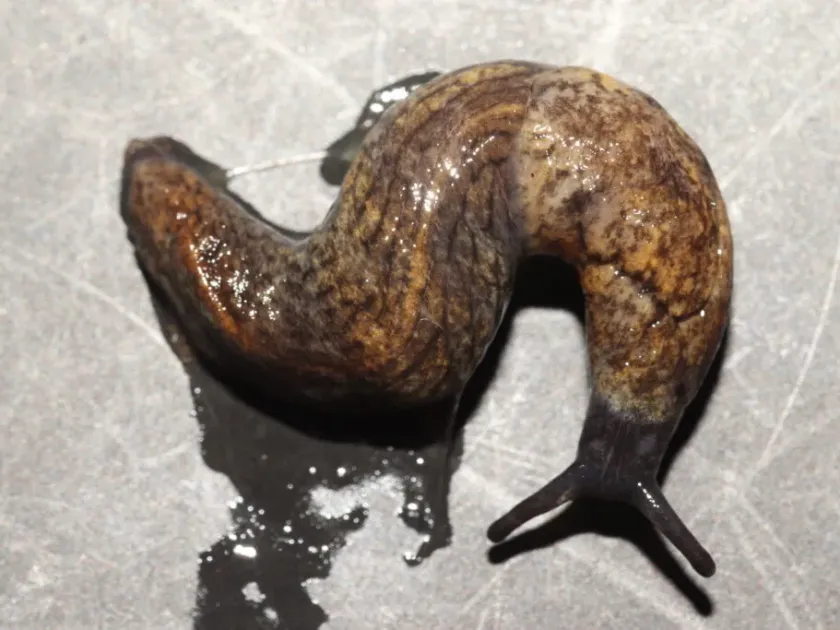
The Budapest slug (Tandonia budapestensis) is a land gastropod belonging to the Milacidae family within the order Stylommatophora. These slugs typically measure between 40 and 70 mm in length when fully extended.
Their body coloration is a key identification feature, ranging from dark grey to blackish-brown. A distinctive pale or light-colored keel runs along the length of their back, contrasting sharply with their darker skin.
They possess a tough, leathery texture and are highly adept at burrowing deep into the soil. This behavior allows them to avoid surface-level treatments and survive extreme weather fluctuations effectively.
Being nocturnal by nature, they are primarily active during the night and in high-humidity conditions. During the day, they sequester themselves in soil crevices, underneath rocks, or among decaying organic matter.
The life cycle involves egg-laying in subterranean nests. Juvenile slugs are smaller but mirror the appearance of adults, gradually maturing and darkening as they grow to full size.
What it damages
The Budapest slug is a generalist feeder capable of causing extensive damage to a wide range of horticultural and agricultural crops. They are particularly destructive to root vegetables and low-growing leafy greens.
Common targets include potatoes, carrots, beets, lettuce, and brassicas. Unlike surface-feeding slugs, this species is known to tunnel into tubers and roots, causing internal damage that is often invisible until harvest.
Young seedlings are especially susceptible, as the slug can consume the entire plant base overnight, leading to total crop failure in newly established vegetable patches.
The feeding patterns often compromise the quality of produce, rendering root vegetables unmarketable due to deep cavities and unsightly scars left behind during the slug's feeding sessions.
Furthermore, these feeding wounds serve as entry points for secondary pathogens, such as soft rot bacteria and various fungi, which can destroy the remaining healthy parts of the crop during storage.
When it appears
The pest's activity begins in early spring as soon as soil temperatures climb above +5 to +8 degrees Celsius, allowing the overwintering adults and hatched eggs to become active.
Activity peaks during the warm, wet months of summer and early autumn. Frequent rainfall and overcast conditions provide the ideal moisture levels for their foraging and reproductive cycles.
During extended dry spells, the slugs retreat into the subsoil, entering a period of physiological dormancy to conserve moisture, which limits their surface activity and subsequent crop damage.
Depending on regional climate patterns, the Budapest slug can complete multiple generations in a single year, particularly in mild coastal or temperate climates with short, non-freezing winters.
The final generation of the season deposits eggs deep into the soil, which successfully survive winter conditions, ensuring a high population density for the following spring season.
Signs of infestation
The most prominent sign of infestation is the presence of dried, silvery mucus trails left on soil surfaces, paths, and foliage after a humid or rainy night.
Damage to foliage manifests as irregular «window-pane» holes, where the epidermis is left intact while the inner tissues are consumed, leading to eventual tissue death and yellowing.
On harvested crops, you will notice clean-edged, deep circular pits or tunnels. These are indicative of slug feeding and are often accompanied by their dark, cylindrical fecal pellets.
Direct sightings can be achieved by inspecting the garden at night with a torch, especially around damp debris, compost heaps, or at the base of susceptible vegetable plants.
Withered or collapsed seedlings in the morning are a classic sign of slug activity, as they often target the tender stem bases of young transplants just above the soil level.
Control measures
Managing the Budapest slug requires an integrated pest management (IPM) strategy that targets both the subterranean and surface stages of the slug's life cycle.
Cultural control is essential: frequent soil cultivation helps to expose eggs and juvenile slugs to desiccation from sunlight and predation by birds or ground beetles.
Mechanical control involves the placement of artificial shelters such as wooden boards or tiles, where slugs congregate during the day for manual removal and disposal.
Chemical control should prioritize ferric phosphate-based pellets, which are effective at eliminating slugs while remaining safe for hedgehogs, pets, and beneficial garden insects.
- Use physical barriers like crushed eggshells, coarse grit, or wood ash to deter slugs from climbing onto plant stems.
- Maintain a weed-free garden to reduce hiding spots and moisture retention near crop bases.
- Introduce biological controls like the parasitic nematode *Phasmarhabditis hermaphrodita* to target subterranean slug populations.
Taxonomy
- Latin name
- Tandonia budapestensis
- Order
- Molluscs
- Family
- Milacidae
- EPPO code
- MILXBU
Discussion
No discussions yet — be the first.