
Zebra sole
Synaptura zebra
Description
How to identify
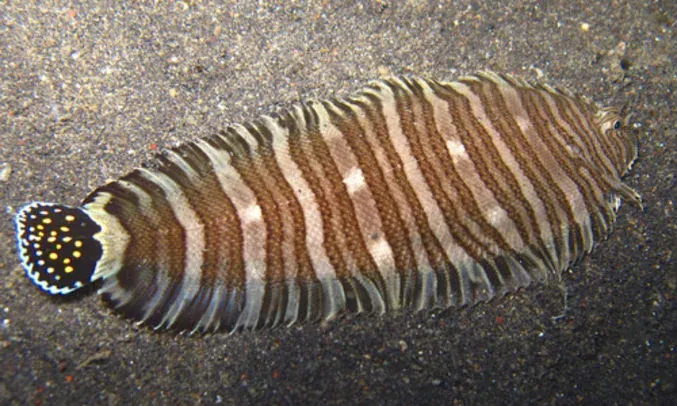
The Zebra sole (Synaptura zebra) is a species of flatfish within the family Soleidae. It is recognized by its flattened, elongated body marked with prominent vertical dark stripes, resembling a zebra pattern.
Adult specimens typically measure around 20 to 25 cm. Their eyes are located on the right side of the head, and they possess a specialized camouflage mechanism that allows them to blend into sandy or muddy substrates.
As a benthic organism, the Zebra sole spends most of its time buried in the sediment of the seabed, waiting for prey. This behavior makes it a stealthy predator within its natural habitat.
The life cycle begins with pelagic larvae that eventually undergo a metamorphosis, settling on the bottom as they mature. This transition is critical for their survival and subsequent development.
They are primarily found in tropical and subtropical coastal regions. Their ability to adapt to varying depths and water conditions allows them to thrive in near-shore environments.
What it damages
The economic harm caused by Synaptura zebra is primarily observed in aquaculture settings, particularly where mollusks or juvenile fish are cultivated in cages.
This fish acts as a predator toward juvenile commercially valuable species, consuming them and significantly reducing the survival rates within a farmed population.
They also compete for food resources with other benthic species, leading to stunted growth rates for the primary crop if the infestation is not managed correctly.
Additionally, their physical presence and burying habits can disturb the sediment layer within the cages, affecting the water chemistry and health of sensitive cultivated species.
Increased density of this species in coastal areas during certain seasons can lead to significant losses in local mariculture production, requiring strict intervention.
Control measures
Physical exclusion is the most effective method for protection. Using high-quality, fine-mesh netting prevents Synaptura zebra from entering cage sites and damaging the stock.
Regular surveillance programs are essential to detect the presence of the fish. Employing custom-made traps can help remove individuals that bypass perimeter defenses.
Site selection is a proactive strategy. Placing aquaculture farms away from known breeding or migratory grounds of this sole species minimizes the risk of infestation.
Maintaining a clean environment by regularly removing organic waste prevents the accumulation of food sources that attract these predators to the vicinity of the farms.
Training staff in identification and implementing rapid response protocols ensures that any potential outbreak of this pest is handled before it causes widespread damage.
Taxonomy
- Latin name
- Synaptura zebra
- Family
- Soleidae
- EPPO code
- SYAPZE
Discussion
No discussions yet — be the first.