
Panicum midge
Stenodiplosis panici
Description
How to identify
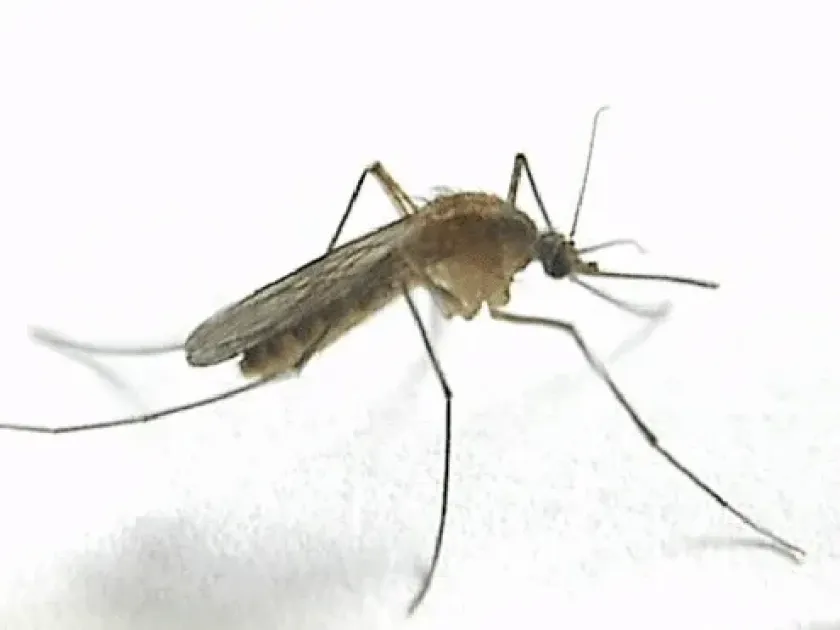
The Panicum midge (Stenodiplosis panici) is a small insect belonging to the gall midge family (Cecidomyiidae) within the order Diptera. Adults measure approximately 1.5 to 2 millimeters in length.
The insect has a fragile body structure, usually yellowish-brown or reddish in color, which helps it blend in with its host plants during the active phase of its life cycle.
Larvae are legless, white to yellowish, and reside inside the kernels of host plants. Their cryptic development makes them difficult to detect without careful inspection of the florets.
The life cycle of the midge is closely synchronized with the flowering stages of millet. Multiple generations can occur within a single growing season depending on climatic conditions.
Wintering occurs primarily as larvae in plant debris or soil. As temperatures rise in spring, pupation takes place, and the emerging adults initiate the first generation of the season.
What it damages
The primary host crop for this pest is common millet (Panicum miliaceum). It can also infest various wild grass species that serve as secondary hosts in the landscape.
The midge causes economic damage by feeding on the ovary of the millet floret. This destructive feeding prevents seed set, resulting in the formation of empty glumes instead of grain.
High population densities can lead to substantial reductions in crop yield. In severe outbreaks, the entire panicle may be affected, drastically decreasing the quality and volume of the harvest.
Feeding injury also compromises the physical integrity of the floret, which often leads to secondary infections by various fungal pathogens that flourish in damaged plant tissues.
Because the larvae are concealed within the grain, farmers often do not realize the extent of the infestation until the damage is already severe during the grain-filling stage.
Signs of infestation
The most noticeable sign of an infestation is the premature discoloration and drying of individual florets in the panicle before the grain has reached maturity.
Upon closer examination, the glumes of infested florets may appear distorted, swollen, or slightly forced open compared to the healthy kernels in the same panicle.
During the flowering period, adults can occasionally be observed resting on the millet heads, particularly during the cooler parts of the day or in calm weather conditions.
Dissecting a suspect grain often reveals the presence of a small midge larva inside, which is the definitive diagnostic sign of Panicum midge activity in the field.
A widespread presence of "chaffy" or empty panicles during harvest time is a clear indicator that the population of the Panicum midge has exceeded economic thresholds.
Control measures
Cultural control is the most effective approach to managing this pest. Crop rotation is essential; millet should not be planted on the same field or adjacent to fields where it was grown the previous year.
Deep plowing following the harvest is recommended to bury plant debris and infested soil, effectively trapping the overwintering larvae and preventing their emergence in the spring.
Maintaining spatial isolation between current millet fields and previous year's fields reduces the migration of the midge to the new crop.
Effective weed control, particularly of wild grasses that act as alternative hosts, is critical to limiting the buildup of the midge population throughout the region.
- Application of systemic insecticides during the critical period of panicle emergence and flowering.
- Selection of early-maturing varieties to escape the peak activity periods of the midge.
- Regular field scouting and use of sticky traps to determine the optimal timing for intervention.
Taxonomy
- Latin name
- Stenodiplosis panici
- Order
- Diptera (flies)
- Family
- Cecidomyiidae
- EPPO code
- STEIPA
Discussion
No discussions yet — be the first.