
Sorhagenia
Sorhagenia
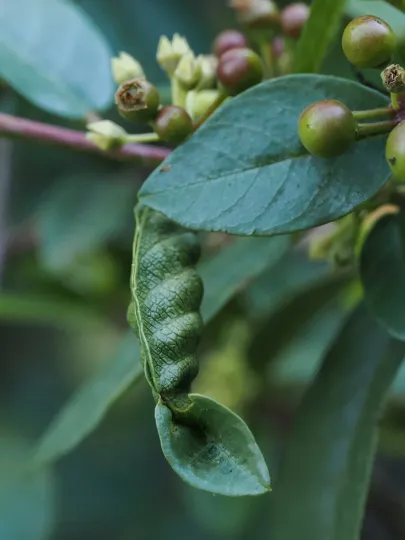
Description
How to identify
Sorhagenia is a genus of small moths belonging to the family Cosmopterigidae. These insects are characterized by their narrow wings, often featuring cryptic patterns that provide excellent camouflage against tree bark.
The larvae, or caterpillars, have a typical lepidopteran structure and are generally small, matching the color of their host plant's leaves or buds. This coloration is a primary defense mechanism against avian and insect predators.
The life cycle of Sorhagenia is closely tied to the phenology of their host plants, specifically species within the Rhamnus genus. Moths are nocturnal and are typically observed during twilight hours.
Taxonomically, they are part of the order Lepidoptera. While they are a niche group, their presence in horticultural or pharmaceutical plantations can be significant due to their feeding habits.
Overwintering usually occurs in the pupal or larval stage, tucked away in crevices on the stems or within plant debris on the ground near the base of the host plant.
What it damages
The primary hosts for Sorhagenia larvae are buckthorn plants (Rhamnus). These plants, valued for both ornamental and medicinal uses, are particularly susceptible to larval feeding during the early growth stages.
Caterpillars cause damage by feeding on buds, flowers, and tender young shoots. This feeding disrupts the plant's development, leading to stunted growth and potentially severe tissue loss.
When infestation levels are high, the damage to flower buds can significantly reduce fruit yield, which is a major concern for commercial harvesting of buckthorn berries.
Feeding wounds often serve as entry points for secondary pathogens, leading to fungal or bacterial infections that can cause the branch to wither and die prematurely.
While the impact on natural populations is usually balanced by ecosystem factors, cultivated populations in nurseries often require careful monitoring to prevent localized economic losses.
Signs of infestation
The most distinctive sign of Sorhagenia infestation is the presence of silk webbing spun by larvae on the terminal ends of shoots, which helps them stay hidden while feeding.
Leaves affected by the larvae typically appear curled, twisted, and discolored. As the damage progresses, these leaves may turn brown and wither completely.
Small, dark fecal pellets, known as frass, are often found within the silken webs, confirming the active presence of larvae within the plant canopy.
A sudden drop of flower buds or an absence of berries on specific branches is a strong indicator of larval damage occurring early in the reproductive cycle.
Monitoring for adults is possible using light traps during the evening, which helps professionals determine the flight periods of the moths and plan control measures accordingly.
Control measures
Mechanical control involves the pruning and destruction of infested shoots. This is highly effective for small-scale operations and helps reduce the overall population of the pest.
Chemical control should be timed to coincide with the hatching of the larvae, typically during the spring bud-break phase, using approved horticultural insecticides.
Biological control using Bacillus thuringiensis sprays is a preferred method for sustainable agriculture, as it targets the caterpillars without harming beneficial insects or the environment.
Maintaining plant vigor through balanced nutrition and proper watering schedules increases the plant's ability to withstand and recover from light infestations.
- Perform regular inspections during early spring.
- Encourage beneficial predatory insects like lacewings and ladybugs.
- Utilize pheromone monitoring tools to optimize the timing of pesticide application.
Taxonomy
- Latin name
- Sorhagenia
- Order
- Lepidoptera (butterflies)
- Family
- Cosmopterigidae
- EPPO code
- SORHSP
Discussion
No discussions yet — be the first.