
Anatrachyntis
Anatrachyntis
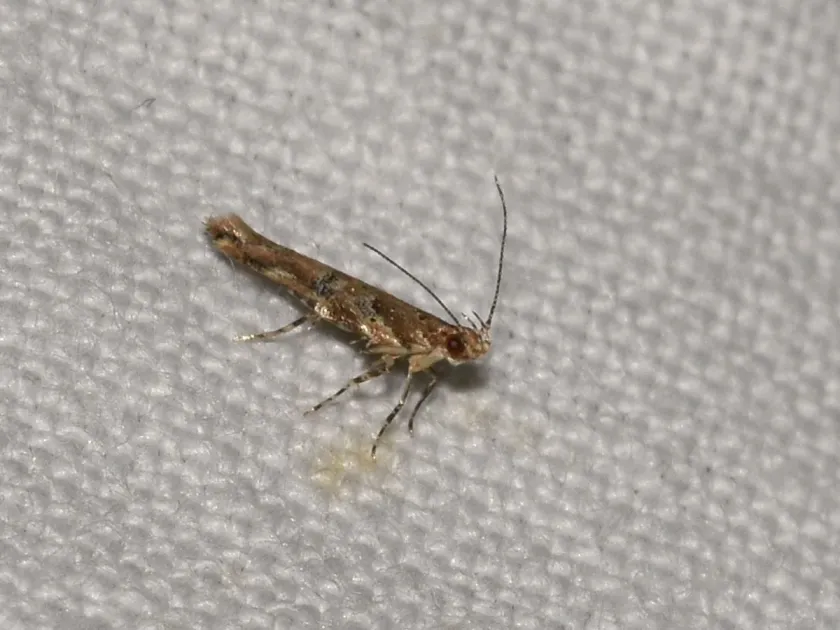
Description
How to identify
Anatrachyntis (genus Anatrachyntis, family Agonoxenidae, order Lepidoptera) is a small moth characterized by a secretive life cycle. The adults possess narrow, pointed wings, often marked with patterns that provide effective camouflage on tree bark or fruit surfaces.
The larvae are small caterpillars that progress through several developmental stages. Their bodies are typically pale in color, allowing them to remain inconspicuous when burrowing inside host fruits or dry organic matter.
The biology of this species is closely linked to tropical and subtropical fruits. This insect exhibits high ecological plasticity, enabling it to colonize new environments and adapt to varying climatic conditions efficiently.
The life cycle encompasses egg, larval, pupal, and adult stages. Females lay eggs directly onto the fruit skin or into existing mechanical injuries, where larvae immediately begin to feed upon hatching.
It is worth noting that this pest often acts as a secondary invasive species, frequently colonizing fruits that have already been compromised by other insects or physical damage.
What it damages
Pomegranate is the primary host for Anatrachyntis, where larvae burrow into the fruit to feed on arils, leading to rapid deterioration. Other hosts include citrus and various tropical fruits.
Beyond orchard damage, larvae can develop in stored dry fruits and seeds, which classifies Anatrachyntis not only as a field pest but also as a significant threat to post-harvest storage.
Infested fruits lose their commercial value, suffer significant weight loss, and internal tissues begin to rot due to secondary fungal or bacterial infections introduced by the larvae during feeding.
In orchards with high population densities, this pest can cause substantial yield losses, especially if orchard sanitation practices are neglected and fallen fruit is left on the ground.
The main danger lies in the difficulty of early detection, as the larvae operate internally, allowing the infestation to spread during transport and long-term storage.
Signs of infestation
The first indicator of infestation is the presence of caterpillar excrement near the entry holes on the fruit peel. Discoloration or darkening around these points is also a common symptom.
Internal inspection reveals the destruction of internal structures, presence of galleries, and remnants of silk webbing produced by the caterpillar while feeding or preparing for pupation.
Large-scale infestations often lead to premature fruit drop, where fruits that appear healthy externally have hidden damage inside caused by the larval feeding process.
The appearance of adults in the evening hours near host trees indicates the onset of the oviposition period. Pheromone traps are essential tools for monitoring the presence and population dynamics.
A specific decaying odor emanating from fruits on the branch is often a sign that internal tissues have been compromised, providing an entry point for opportunistic pathogens.
Control measures
The primary control measure is rigorous orchard sanitation: regular collection and disposal of all damaged and fallen fruits, which serve as reservoirs for larvae and pupae.
Biological control using Bacillus thuringiensis-based products has shown high efficacy against young larvae, provided applications are timed before they penetrate the fruit surface.
Implementing spatial isolation and ensuring timely harvest are crucial strategies to limit the window of opportunity for moths to lay eggs on mature fruits.
Monitoring programs using light and pheromone traps are recommended to track adult activity and determine the optimal timing for targeted management interventions.
Chemical control must be strictly regulated and applied before larvae burrow deep into the fruit, as once they are inside, they become shielded from most insecticide treatments.
Taxonomy
- Latin name
- Anatrachyntis
- Order
- Lepidoptera (butterflies)
- Family
- Cosmopterigidae
- EPPO code
- ATRKSP
Discussion
No discussions yet — be the first.