
Anatrachyntis badia
Anatrachyntis badia
Description
How to identify
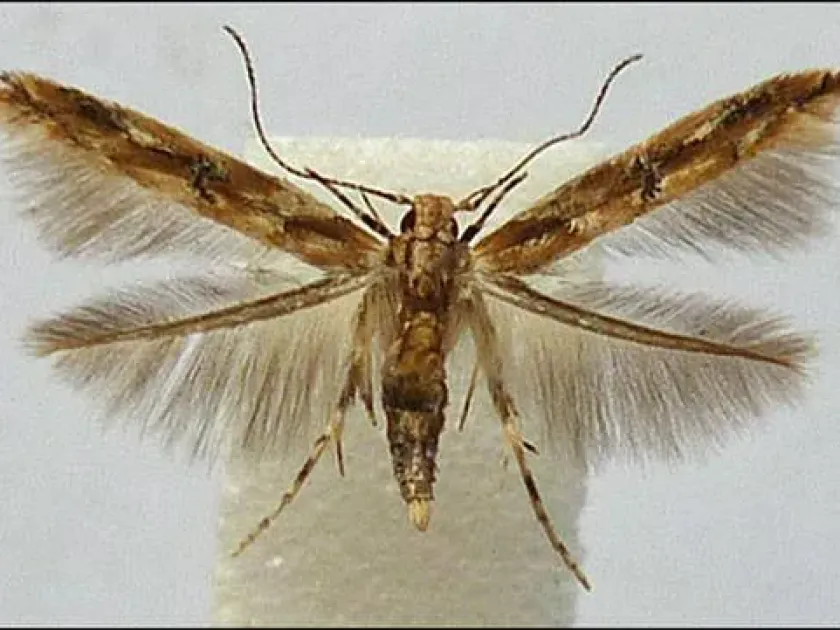
Anatrachyntis badia is a small moth species belonging to the Cosmopterigidae family, also known as the cosmet moths. Adult moths are characterized by narrow wings and a coloration that typically ranges from reddish-brown to dark brown.
The larvae are the primary damaging stage and go through several instars before reaching maturity. Fully grown caterpillars typically measure between 7 and 10 mm in length and are adapted for boring into fruits.
Eggs are typically deposited by females near the calyx or in existing cracks of host fruits, ensuring the larvae have immediate access to nutrients upon hatching.
Pupation usually occurs within the infested fruit or in silken cocoons constructed in crevices or under debris, protecting the developing insect from environmental stressors.
Taxonomically, the species is distinguished by specific wing patterns and genital structures, often requiring expert analysis to confirm identity among other closely related species.
What it damages
This pest is known for causing significant damage to a wide array of agricultural commodities, especially tropical fruits like pomegranates, citrus, and lychees.
Larvae feed on the internal tissues of the fruit, creating complex networks of tunnels that destroy the fruit's integrity and quality.
Infested fruits frequently drop prematurely, leading to severe yield losses if the infestation level is high across the plantation.
The entry points created by the larvae serve as vectors for various fungal pathogens, which often cause secondary rot, rendering the entire fruit unsaleable.
The pest is a significant quarantine concern because it can easily be transported within harvested produce, hiding deep inside the fruit tissues.
When it appears
The activity cycle of Anatrachyntis badia is highly dependent on fruit phenology and local climatic conditions, with peak activity coinciding with fruit ripening.
In warm climates, the species can complete its entire life cycle in less than two months, allowing for multiple overlapping generations within a single growing season.
Overwintering typically takes place as larvae or pupae tucked away in mummified fruits left on the trees or in crop residues on the orchard floor.
In temperature-controlled storage facilities, the reproductive cycle may continue uninterrupted throughout the year if humidity and temperature levels remain conducive.
Field populations show increased activity during humid, warm periods, which are generally associated with higher rates of egg-laying and larval survival.
Signs of infestation
A primary indicator of an infestation is the presence of small, circular holes on the surface of the fruit, often accompanied by fine frass (larval excrement).
Premature ripening and the sudden drop of fruits are common symptoms that indicate the presence of internal feeders like Anatrachyntis badia.
Upon slicing an infested fruit, one will find discolored tissues and larval tunnels, often filled with frass and colonized by opportunistic molds.
Silk webbing near the entry holes or around the calyx is another diagnostic feature that suggests the presence of moth larvae.
The observation of adult moths resting on trees or near fruit crates during twilight hours often indicates an active infestation that requires attention.
Control measures
The most effective management strategy involves rigorous orchard sanitation, specifically the removal and destruction of all mummified and fallen fruits.
Monitoring using pheromone-baited traps is essential for detecting early activity, which allows for timely and targeted application of control measures.
Chemical control programs must be precisely timed to target the larvae before they bore into the fruit, as once inside, they are shielded from most insecticides.
Phytosanitary inspection and quarantine protocols are vital for international trade to prevent the accidental introduction of this pest to new regions.
Biological control methods, such as utilizing parasitoid wasps, can be integrated into a broader pest management strategy to suppress population densities.
Taxonomy
- Latin name
- Anatrachyntis badia
- Order
- Lepidoptera (butterflies)
- Family
- Cosmopterigidae
- EPPO code
- PYROBA
Discussion
No discussions yet — be the first.