
Bean root aphid
Smynthurodes perniciosa
Description
How to identify
The bean root aphid (Smynthurodes perniciosa) is a subterranean insect belonging to the Aphididae family. Unlike most aphids that live on leaves, this species resides entirely within the soil, specifically targeting plant roots.
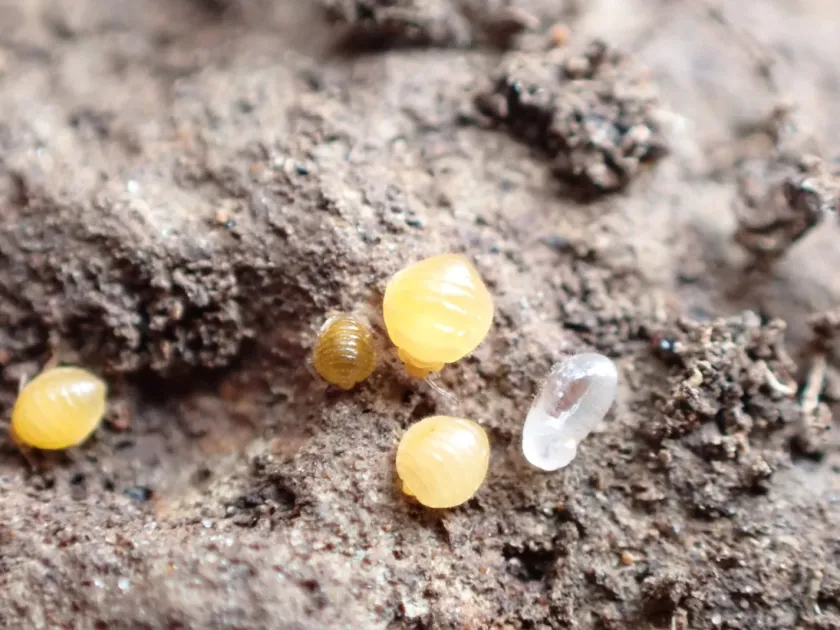
Adult aphids are small, approximately 1.5–2 mm long, and have a globose shape. Their color is typically pale yellow or creamy white, allowing them to blend in with the root environment of host plants.
This species maintains a symbiotic relationship with ants. Ants carry the aphids to the root systems of host plants and provide protection in exchange for honeydew, a sugary substance produced by the aphids.
The lifecycle is primarily parthenogenetic during the growing season. This reproductive strategy allows for rapid population growth, especially when soil moisture and temperature conditions are optimal for the host plant.
Detection is often difficult because the aerial parts of the plant may only show signs of stress, leaving the underground pest population unnoticed until significant damage has occurred.
What it damages
The bean root aphid primarily attacks legumes, including common beans, peas, soybeans, and alfalfa. Some weed species in the Fabaceae family can also serve as temporary hosts for these insects.
The aphids feed on the sap of the roots, which directly inhibits the plant's ability to absorb water and essential nutrients. This nutrient deficiency leads to stunted plant growth and overall loss of vigor.
The feeding activity creates wounds on the roots, which act as entry points for various soil-borne pathogens. This often results in the development of root rots and secondary fungal infections.
In cases of severe infestation, the root system is severely weakened, causing the plant to wilt rapidly during dry conditions and potentially leading to plant death in extreme cases.
Crop yield loss is substantial, as the damage impairs pod development and seed filling, significantly reducing the economic output of the legume crop.
Signs of infestation
The most noticeable symptom is the sudden wilting of plants, particularly on hot days, even when soil moisture appears adequate. This indicates a failure in the plant's root hydraulic function.
Upon careful inspection of the root system, one can observe clusters of small, white, mealy-looking insects clinging to the roots and small rootlets.
An increased presence of ant colonies near the base of the plant is a classic indicator that they are tending to a population of root aphids underground.
The foliage of affected plants often shows signs of chlorosis (yellowing), particularly in the lower leaves, and growth appears stunted compared to healthy neighboring plants.
Affected fields often exhibit patchy distribution of symptoms, with areas of stunted or dying plants corresponding to the location of aphid-tending ant nests.
Control measures
Effective management begins with good agronomic practices, such as deep fall tillage, which destroys ant nests and disturbs the soil environment where overwintering eggs are located.
Weed management is crucial, as the bean root aphid can survive on the roots of various weeds during periods when the main crop is not being cultivated.
The use of systemic insecticides, applied either as a seed treatment or via soil drenching near the root zone, provides an effective chemical barrier against aphid feeding.
Controlling ant populations in and around the field is a necessary component of an integrated pest management strategy, as ants are the primary vectors for moving aphids to new root systems.
Adhering to strict crop rotation intervals, where legumes are not planted in the same field for at least three to four years, significantly reduces the pressure from this pest.
Taxonomy
- Latin name
- Smynthurodes perniciosa
- Order
- Hemiptera (bugs, aphids, leafhoppers)
- Family
- Aphididae
- EPPO code
- SMYNPE
Discussion
No discussions yet — be the first.