
Cuscuta weevil
Smicronyx sculpticollis
Description
How to identify
The Cuscuta weevil (Smicronyx sculpticollis) is a species of beetle belonging to the family Curculionidae (true weevils) within the order Coleoptera. It is recognized for its typical weevil morphology.
Adults are small, generally measuring between 2 to 3 millimeters in length. Their bodies are typically dark, brownish-grey, and densely covered in fine hairs that provide camouflage on host plants.
The larvae of this species are apodous (legless) and white or yellowish, characterized by a distinct head capsule. They lead a cryptic lifestyle, developing exclusively inside the tissues of their host.
The life cycle is strictly synchronized with the development of the parasitic plant dodder (Cuscuta). Adults are typically active during the summer flowering period of the parasite.
Overwintering occurs primarily in the adult stage, often within the soil or debris, necessitating careful consideration of post-harvest field management practices.
What it damages
The primary host of this weevil is the dodder plant, a notorious parasitic weed that severely impacts crops like alfalfa, clover, sugar beets, and various vegetable species.
The weevil does not feed on the crops themselves; rather, it specializes in attacking the reproductive organs of the parasitic dodder, which is a beneficial trait for agriculture.
Larval feeding destroys the seeds inside the dodder capsules, which drastically reduces the reproductive success of the weed and limits its further spread throughout the field.
Due to its specialized feeding habits, Smicronyx sculpticollis is often studied as an effective biological control agent for mitigating dodder infestations.
While the weevil causes physical damage to the weed, its overall ecological role is considered positive, helping to keep weed population levels manageable without chemicals.
Signs of infestation
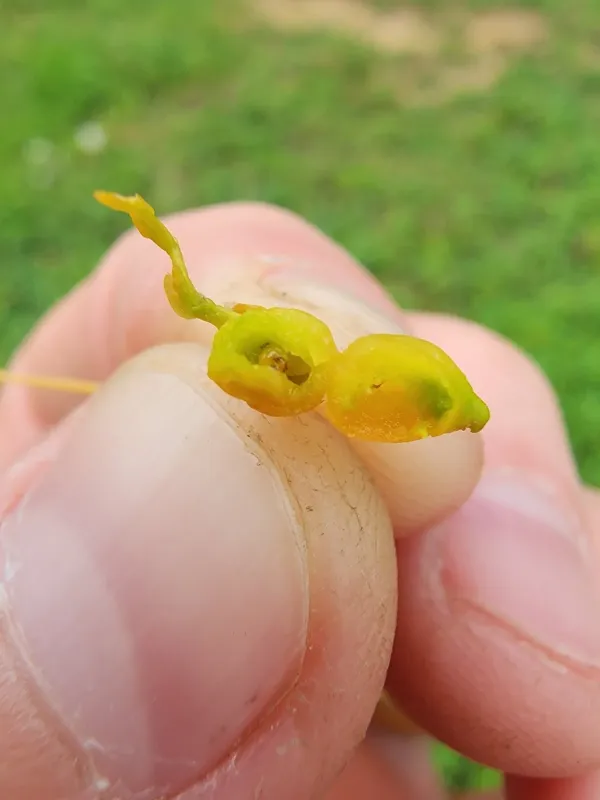
A primary indicator of infestation is the appearance of gall-like swellings on the stems or flowers of the dodder plant, which house the developing weevil larvae.
Dissecting the stems or seed capsules of the dodder often reveals larvae, pupae, or signs of excavated tissue damage caused by the feeding activity.
Dodder plants infested by the weevil often show signs of stunted growth, reduced vigor, and a noticeable decline in seed set production compared to non-infested plants.
Adult beetles can be detected during the summer months using sweep netting techniques in areas where dodder density is high.
Field observers may notice a gradual disappearance of dodder patches, which is a strong biological signal that the weevil population is effectively suppressing the weed.
Control measures
Conservation biological control is the main strategy for managing this weevil, focusing on maintaining existing populations to suppress dodder naturally.
Chemical applications on crops should be managed with caution to avoid detrimental impacts on the beneficial weevil populations that provide free weed control services.
Cultural practices, such as minimal tillage or maintaining refuge areas, can help support the survival of the weevil during the overwintering period.
Integrated pest management (IPM) programs should incorporate monitoring of dodder infestations to assess the biological impact of the weevil before resorting to herbicides.
Further research into the population dynamics of Smicronyx sculpticollis continues to support its role as a key component in the biological management of parasitic plants.
Taxonomy
- Latin name
- Smicronyx sculpticollis
- Order
- Coleoptera (beetles)
- Family
- Curculionidae
- EPPO code
- SMICSC
Discussion
No discussions yet — be the first.